Loading archive…
Vietnam 2026
Saigon
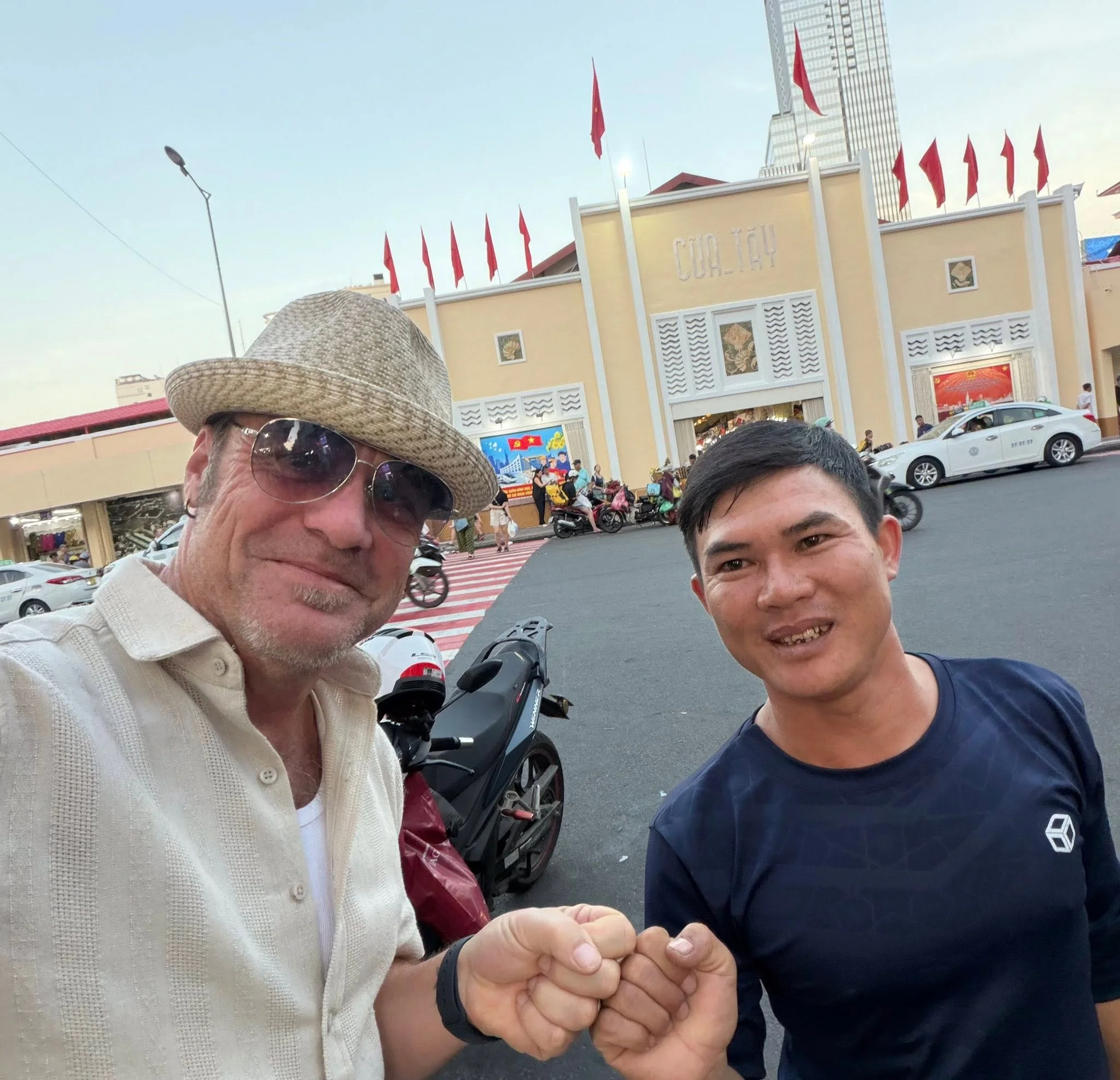
“Saigon. Shit…” — Ben Willard, 1969
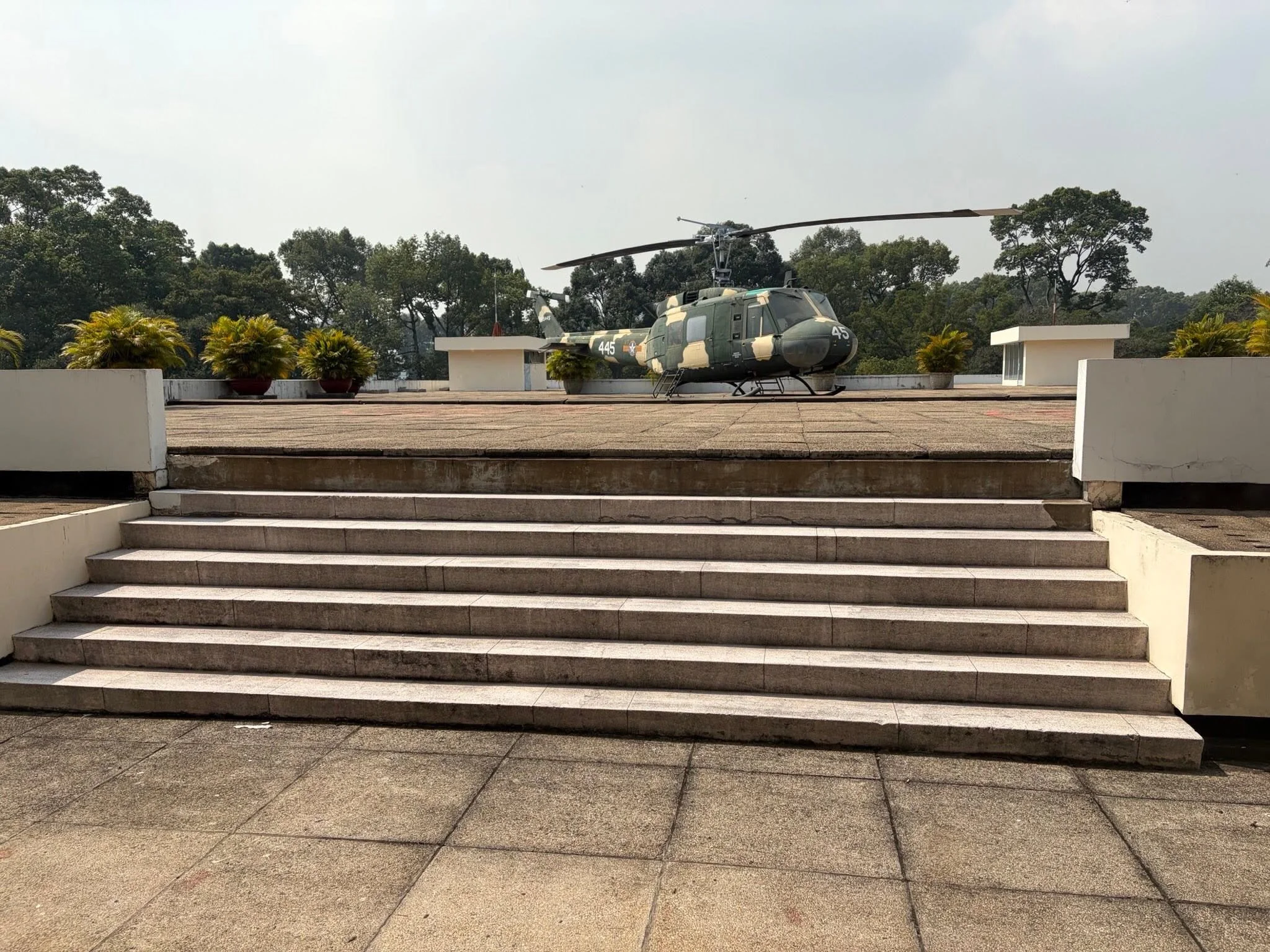
A lot has changed here since the Captain’s apocalyptic bender, but there’s probably a lot that aint, too. Ancient cultures can be like that.
We are crazy about the current version of this place. And we’re entitled to that opinion with zero else to compare it to. Tomorrow we leave to begin exploring the rest of Vietnam, but for the moment we are are entirely spun out on Saigon.
Neither Patti nor I have been in Asia before. Maybe it’s all like this, but I guess I kind of doubt it…
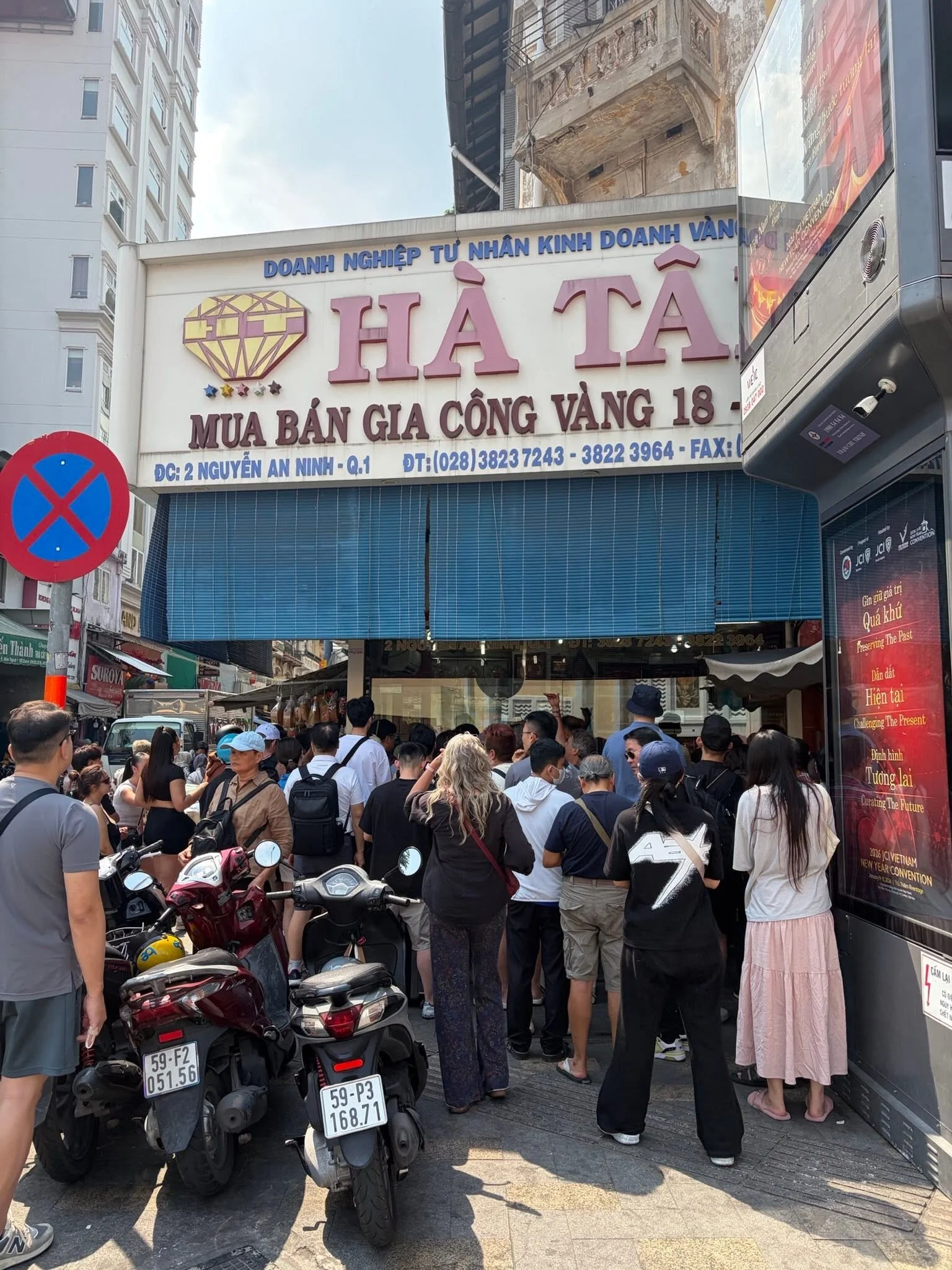
I have a weakness for a zoomy, chaotic, dirty city. The hustle, the smells, the commerce great and small. The barking is incessant here— food, body work, counterfeit Addidas. There’s no visible sex or drug trade, but pretty much anything else you want is here, for cheap. But don’t stop walking if you don’t want a shoeshine.
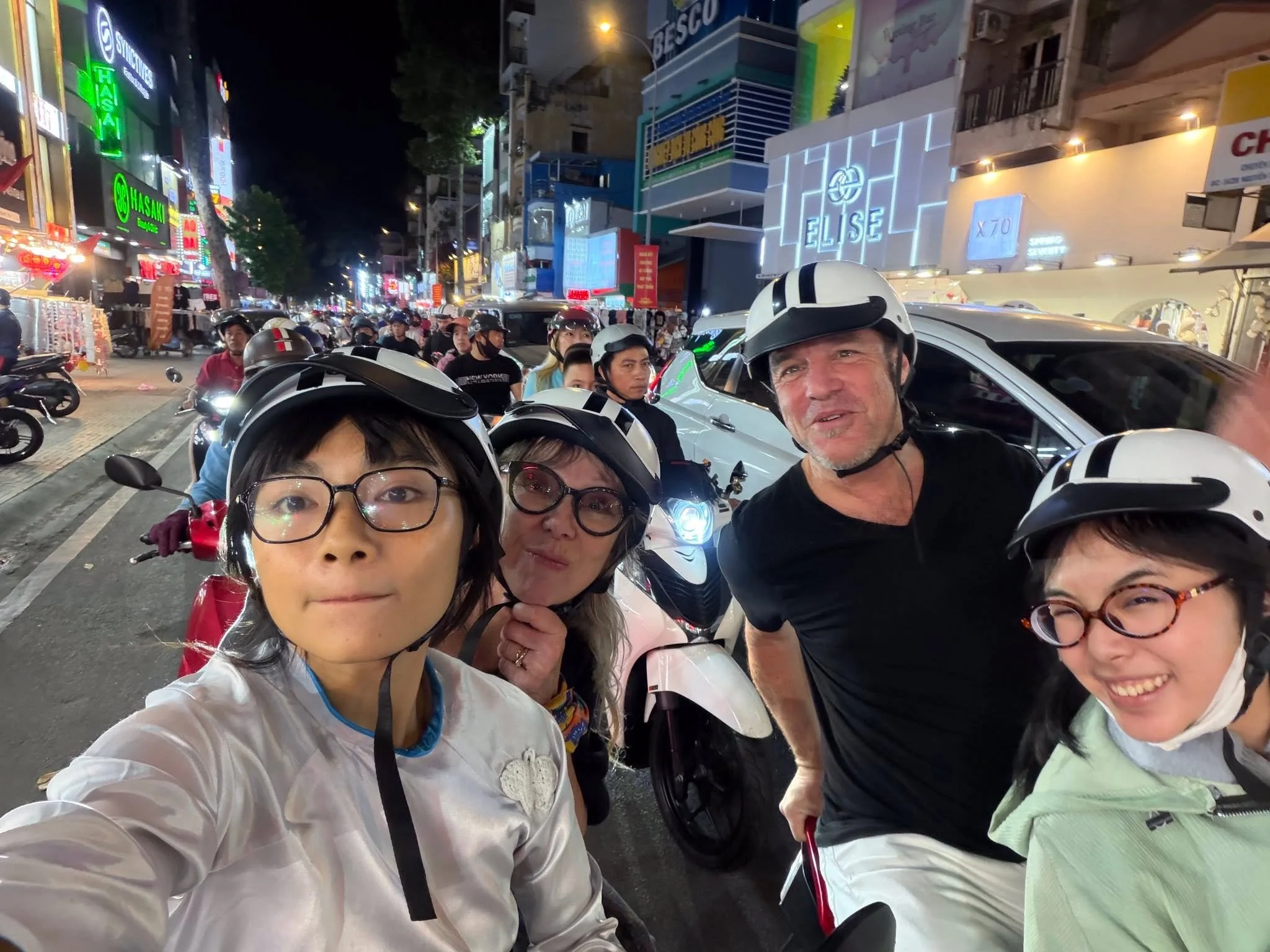
You can read all you want about the motorbike culture in Vietnam, but until you’ve swum in it, it cannot be fully understood. Tens of thousands (millions city-wide, actually) of 150cc scooters zig-zagging through every street, alley and sidewalk. Not only are there no lanes, but there doesn’t always even appear to be an agreed-upon direction. Add the odd bicycle, a few cars and a bunch of equally anarchistic pedestrians and it’s a real dance. Yet somehow it works, like a school of fish. There are plenty of wheezy 150cc horns— but no glares or flip-offs or furious oaths. Maneuvers you’d get shot for in the US happen at every ‘intersection’ but there’s no rage here.
About anything, really— as far as we could tell. The United States government had a prominent role in roughing this city (and country) up pretty bad (during our lifetimes) but there’s certainly no perceptable animosity toward Americans here. Not to mention the Chinese, Japanese or the fucking French.
There are scars. The architecture is a tangle because so much of the older stuff was rubbled by war. The food is a delicious riddle which benefits from the Imperialsim that wrote its recipes. Even ol’ Ma Nature has extracted her pound, unleashing 16 typhoons on the country during the wet season of 2025 alone, causing hellish flooding the likes of which Vietnam has never seen.
But by all accounts, these hardy and hearty people just get up in the morning and light a candle, then get to work cleaning up, again. It’s just what they do. It’s what they’ve always done.
I could go on (and on) but we need to pack for the next leg. The EZ Rider Motorcycle Gus guys pick us up at 8am to start our 6-day bike trip through the Mekong Delta and into the central highlands to DaLat. Talk to you then!
Vietnam 2026
Mekong Delta
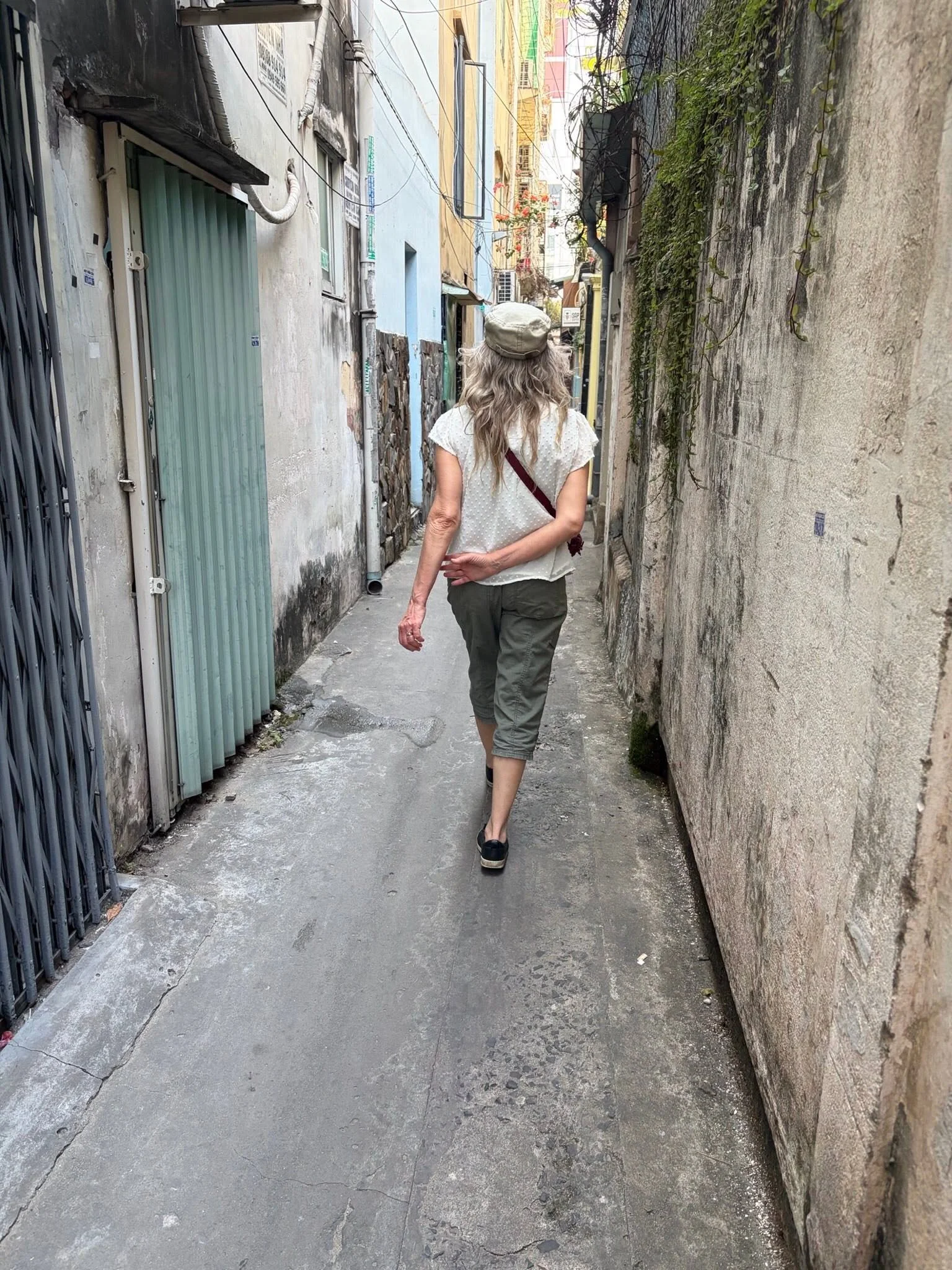
It did not take long for the chaos and clutter of Central Saigon to give way to the chaos and clutter of the outskirts, suburbs and eventually the agricultural land bounding the great metropolis. There were increasingly more potholes, squat toilets, feral cats, hammock cafes and piles of burning garbage the further out of the core we got. During the hour it took to reach the city limits, the backdrop changed from modern marbled mid-rises to a seemingly unending row of 1-level poured concrete structures with tin roofs and no real front doors. These structures were residential in the back, but with some level of ‘retail’ in front, selling anything from souvenirs to banh mi, coffee to coconuts— all just a few feet from the swarm of motorbikes, literally hundreds of them speeding by per minute.
Our guides from the well-regarded Easy Rider tour company met us on the sidewalk in front of our hotel at 8:30 Friday morning, just like they said they would. Patti and I are not normally big on tours— I especially am more of a ‘get lost and find out’ traveler. But with the limited number of longer-haul transportation options available, we had decided to take a chance on this adventure which would boogie us from Saigon down through the Mekong Delta and then back up north and east to DaLat in the Central Highlands. Neither of us had ever been on a long motorcycle ride and had no idea what to expect.
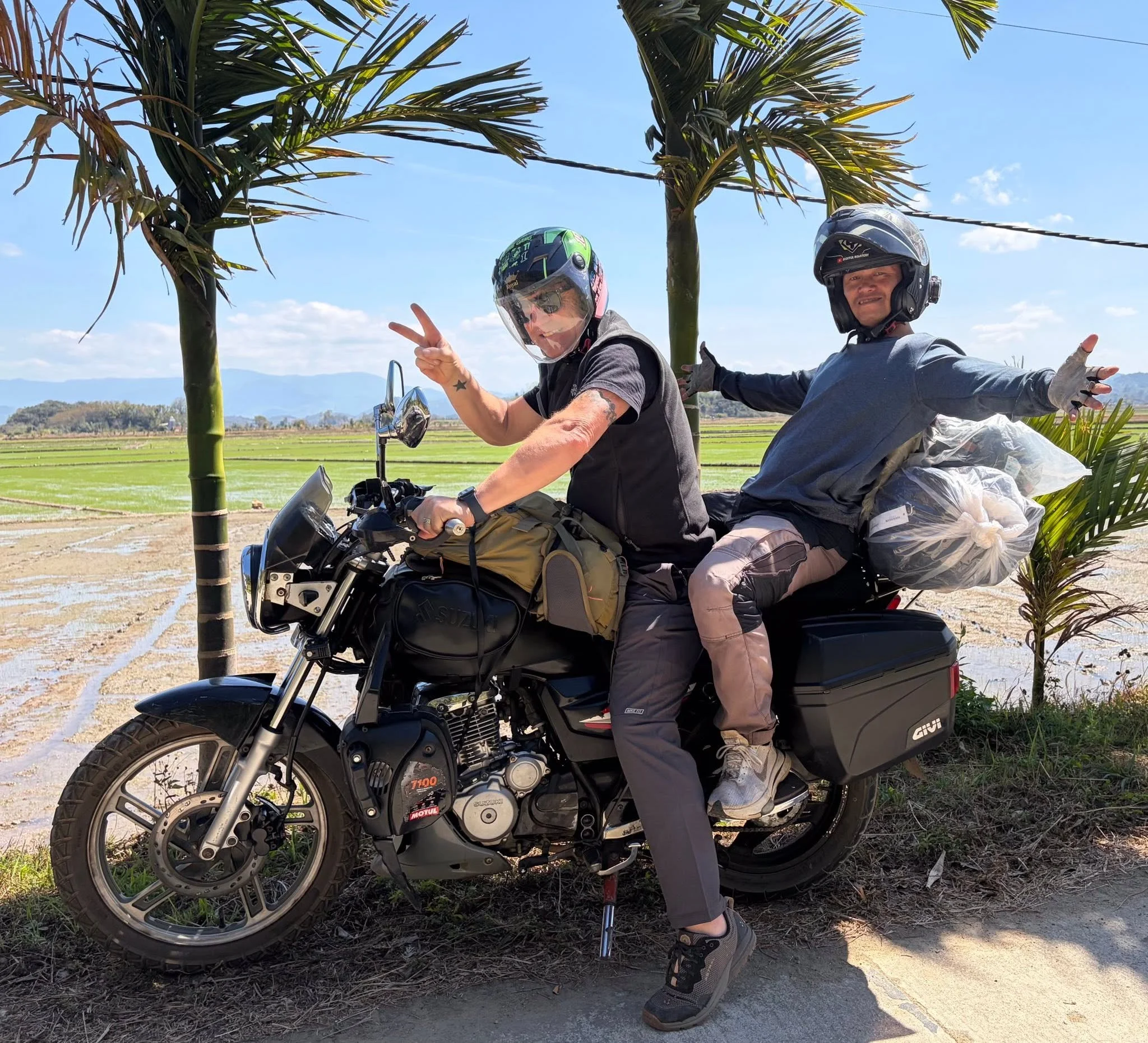
It would be impossible to say enough about Sonny and Tim, but I’ll make a symbolic effort here. The entire experience was A+ and our guys were warm, articulate, intuitive, informed, hilarious and infinitely skilled at navigating a 150cc Yamaha motorcycle through any traffic, whether it be horn-blaring delivery trucks, packs of other 150cc motorbikes also carrying passengers (often 3 or even 4 of them!) or herds of water buffalo. By the time they’d strapped our gear onto the backs of their bikes, we felt like old friends. With a last glance at our Saigon hotel, we merged into traffic and out of the cocoon of District 1, into Vietnam.
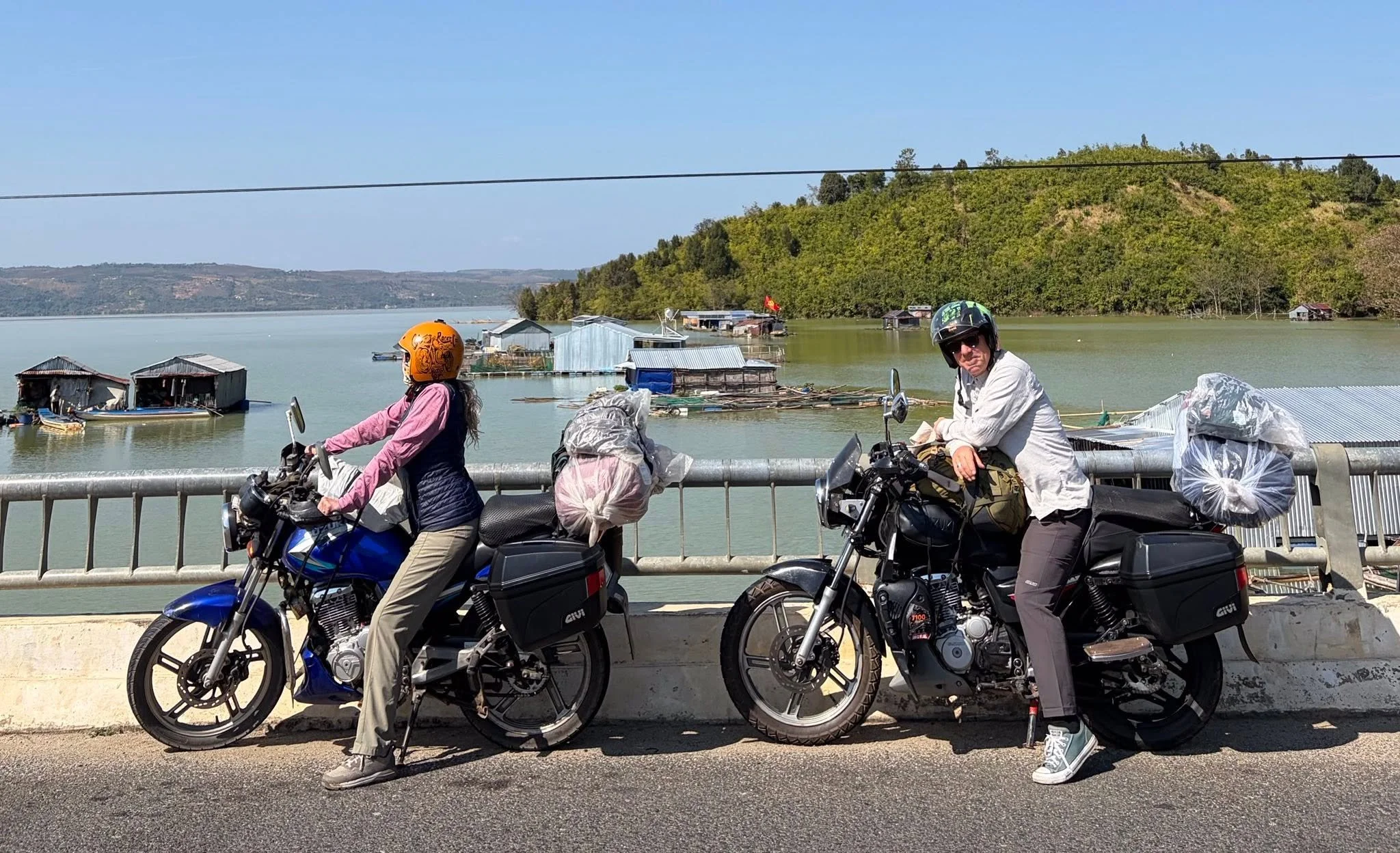
That first day was hard. Neither of us were prepared for the workout 9 hours on the back of a motorcycle would be. Not just the butt, but the quads and lower back too, with the deterioration of the roads once leaving National Route 1 west of the city, on the outskirts of the Delta. We never rode much more than about an hour without stopping for something, be it a coffee, meal, a quick Vong or an educational opportunity. That first day we stopped to talk to some rice farmers and to some eucalyptus twig traders on the canal.
After not one but two ferry rides, we finally reached the hotel in Can Tho at about 7pm and fell immediately into a deep sleep on the cardboard mattress, not to stir until the alarm went off just before 5.
When Anthony Bourdain made the Cai Rang floating market a household bucket list item during his historic first trip to Vietnam in 2002, the markets were still functioning trading posts. Villagers would paddle to the site hours before dawn to position themselves to trade their turmeric, water spinach and jackfruit for seasonal flowers, live snakehead fish, and rice wine. It was the marketplace. But even since Bourdain, there have been four bridges built spanning the river as part of the Central Mekong Delta Connectivity Project. The bridges have made life for the common Delta resident more convenient— but have also diluted the function of the markets. Today the vendors are there with their wares largely for photo opportunities and maybe to offer a bowl of sunrise Pho. It was delicious, and the experience breathtaking even now. But, you know— it aint like before the internet.
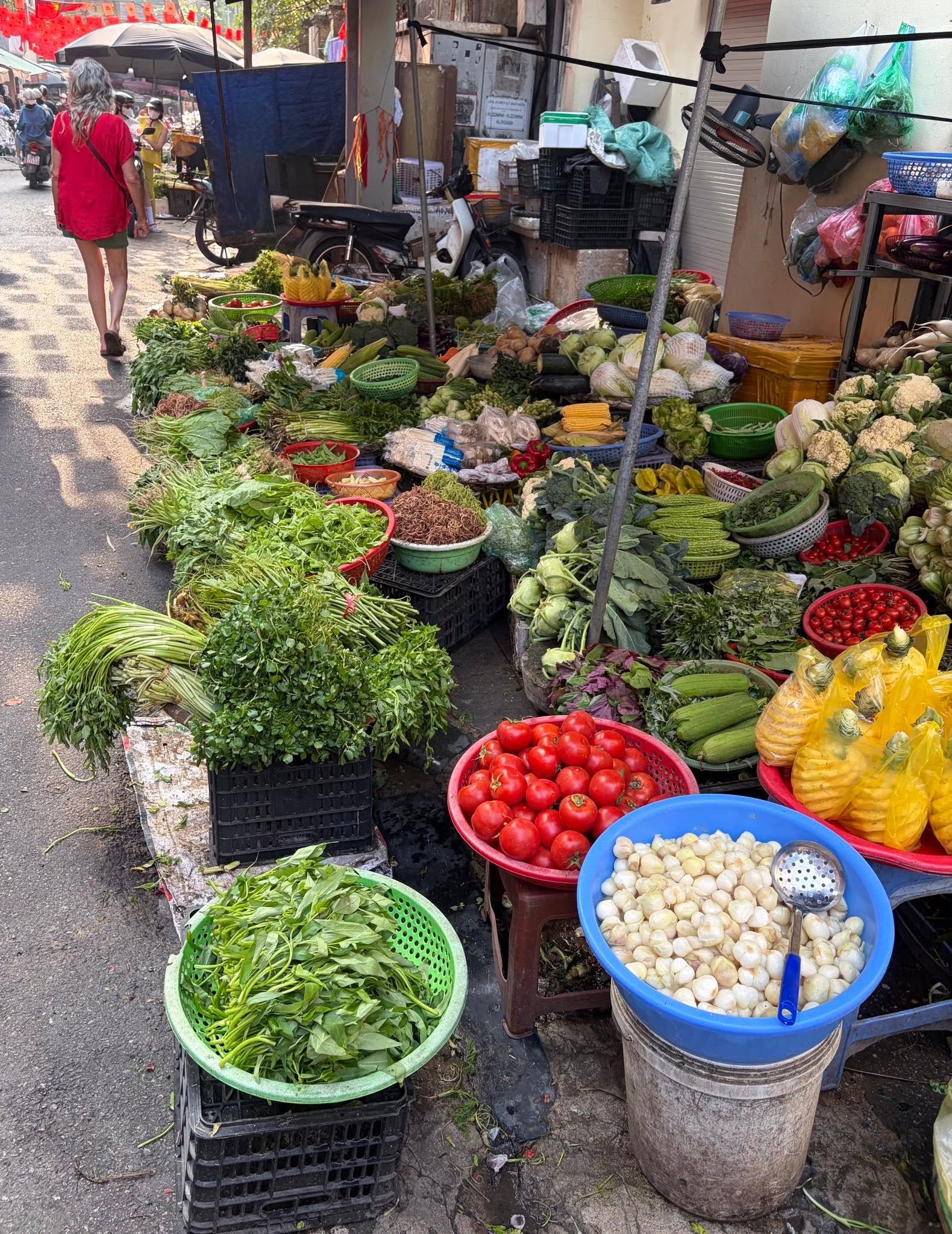
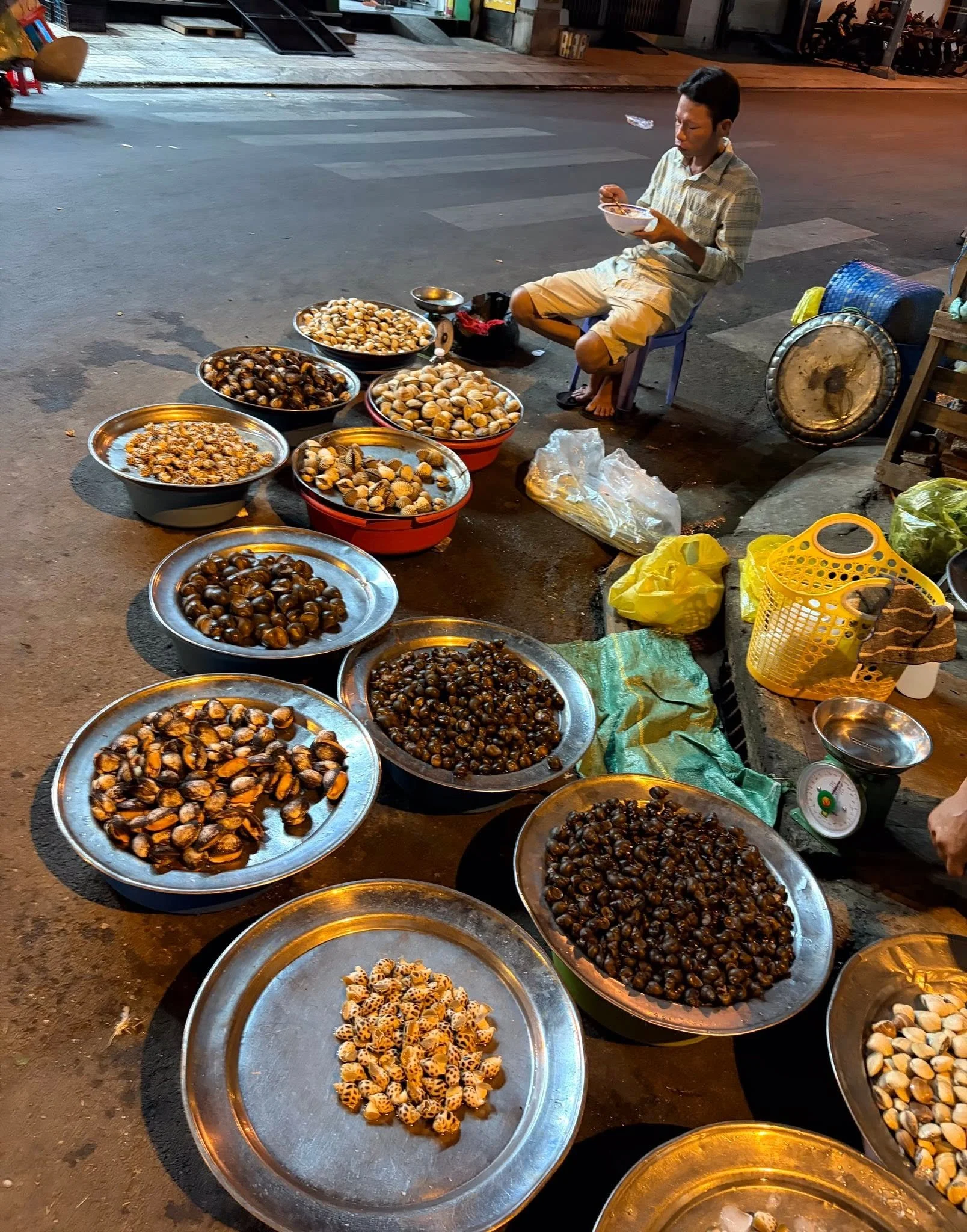
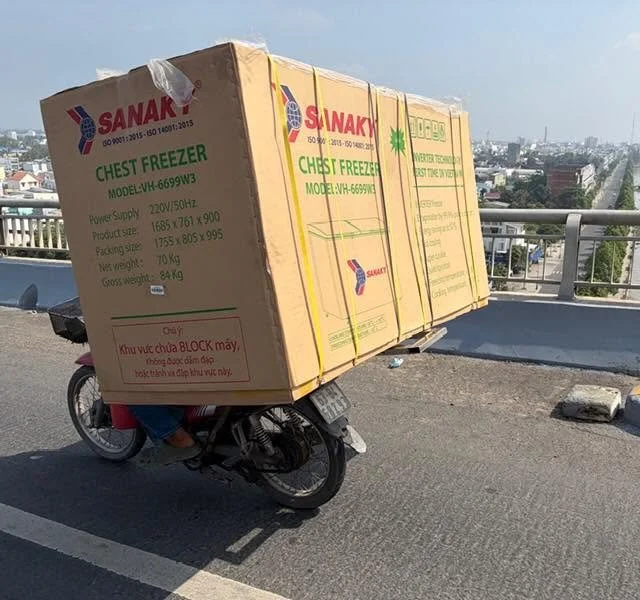
This said, the modern food distribution network of Vietnam couldn’t be more different than how things flow in the US. Stuff may now be getting from one side of the river to the other without need of a boat, but it’s still gettting there in small batches— often on the back of a motorcycle. And once it gets to the other side, it’s still sold off a blanket on the sidewalk or a resin table in a tiny storefront. There are no grocery stores, certainly no Cstco or WLmrt. The staggering variety of raw food for sale on any street corner was grown nearby, harvested or slaughtered that morning (when it is not, in fact, still alive). Talk about your farm-to-table. There just aint no middle man.
The second day on the bikes was much shorter, not getting rolling till after our 3-hour floating tour. It felt good to be moving again. It really is a great way to travel in a narrow, colorful place with good weather. Patti rode with the captain Sonny, and they were always the lead bike. So I had the luxury of watching the locals stop, turn and stare as Patti roared by, through the center of the village. It wasn’t like she was naked or glowing or wearing Gene makeup. But we always seemed to be something of a curiosity, as if the locals had never seen another non-Vietnamese person in their lives.
And they certainly have. While it’s a fact that we noticed very few other honkies outside of Can Tho, it is also true that this is a commonly traveled path and that tourists do use it to get in-and-out of the Delta and to the Central Highlands. But there was a lot of smiling and waving and and I was left with the impression that Patti and I are frightfully popular here.
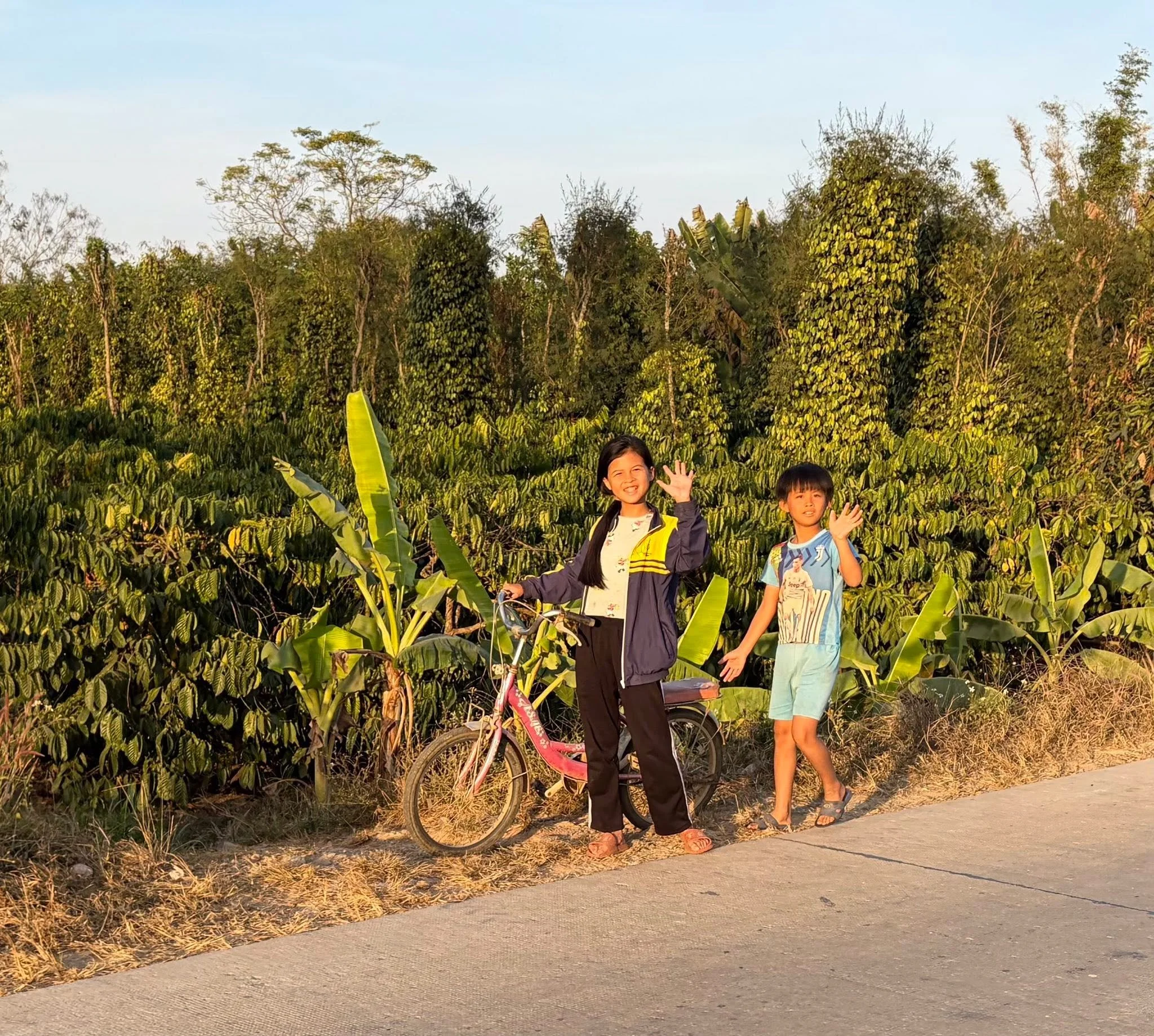
Not with everyone though. Most of the waving and air-guitaring actually came from the very young and the very old. Ages 9 through about mid-70s seemed fairly indifferent to our presence. But the school kids and the ancient? Definitely our target audience. Particularly the ladies. The ladies…
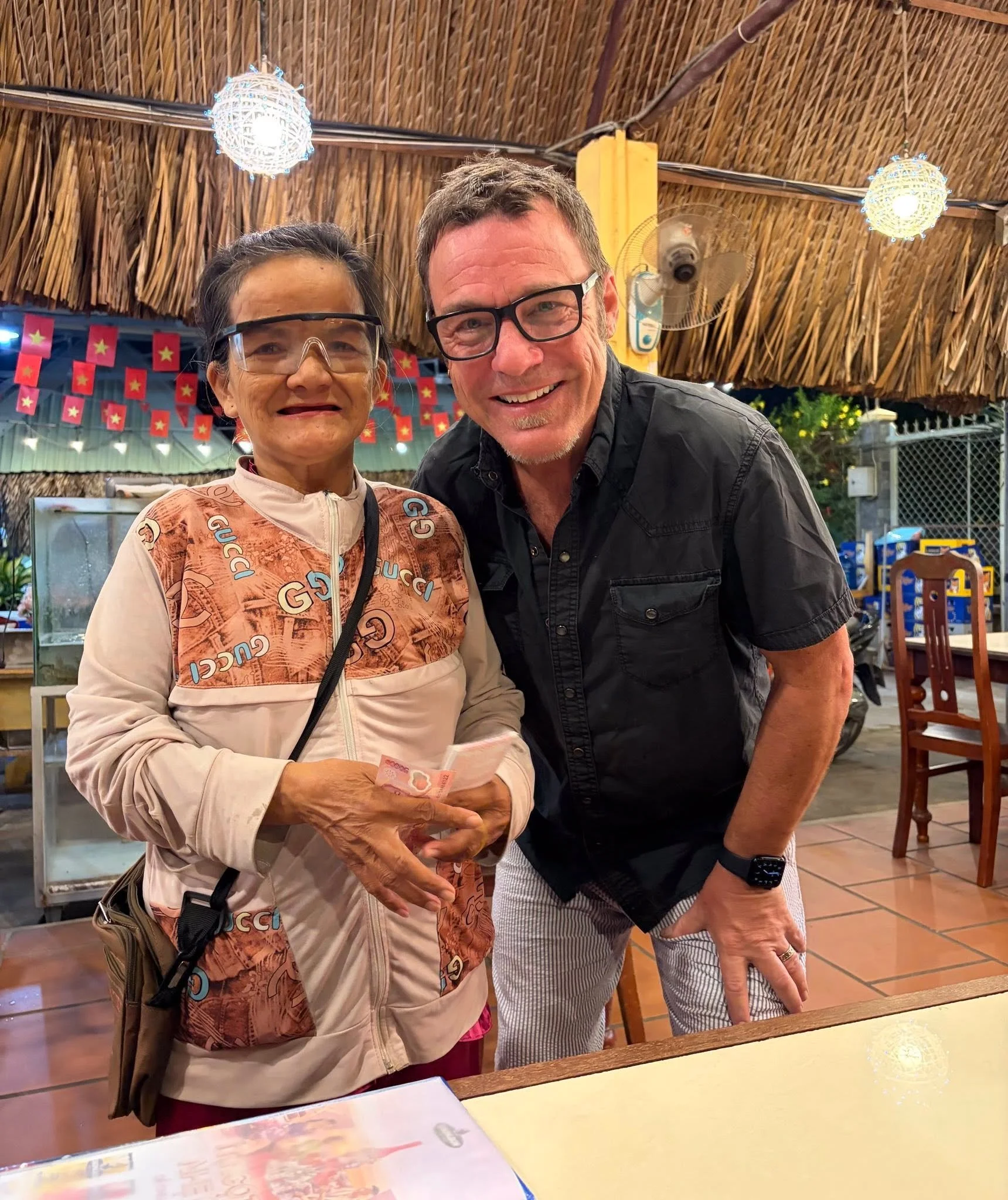
The old Vietnamese ladies— such a force they are! They survived the war and rebuilt this place with their own strong hands because often times their husbands did not survive. And still they work, selling frogs or stirring tapiocah batter over a boiling caldron or hawking daily lottery tickets. They smile easily and ride a bicycle everywhere they go, which isn’t far. Not every 90-year old woman in Vietnam rides a bicycle. But it’s equally true that everyone who does ride a bicycle in Vietnam is a 90-year old woman—usually wearing a conical and often pedaling against traffic. She does not look to the side.
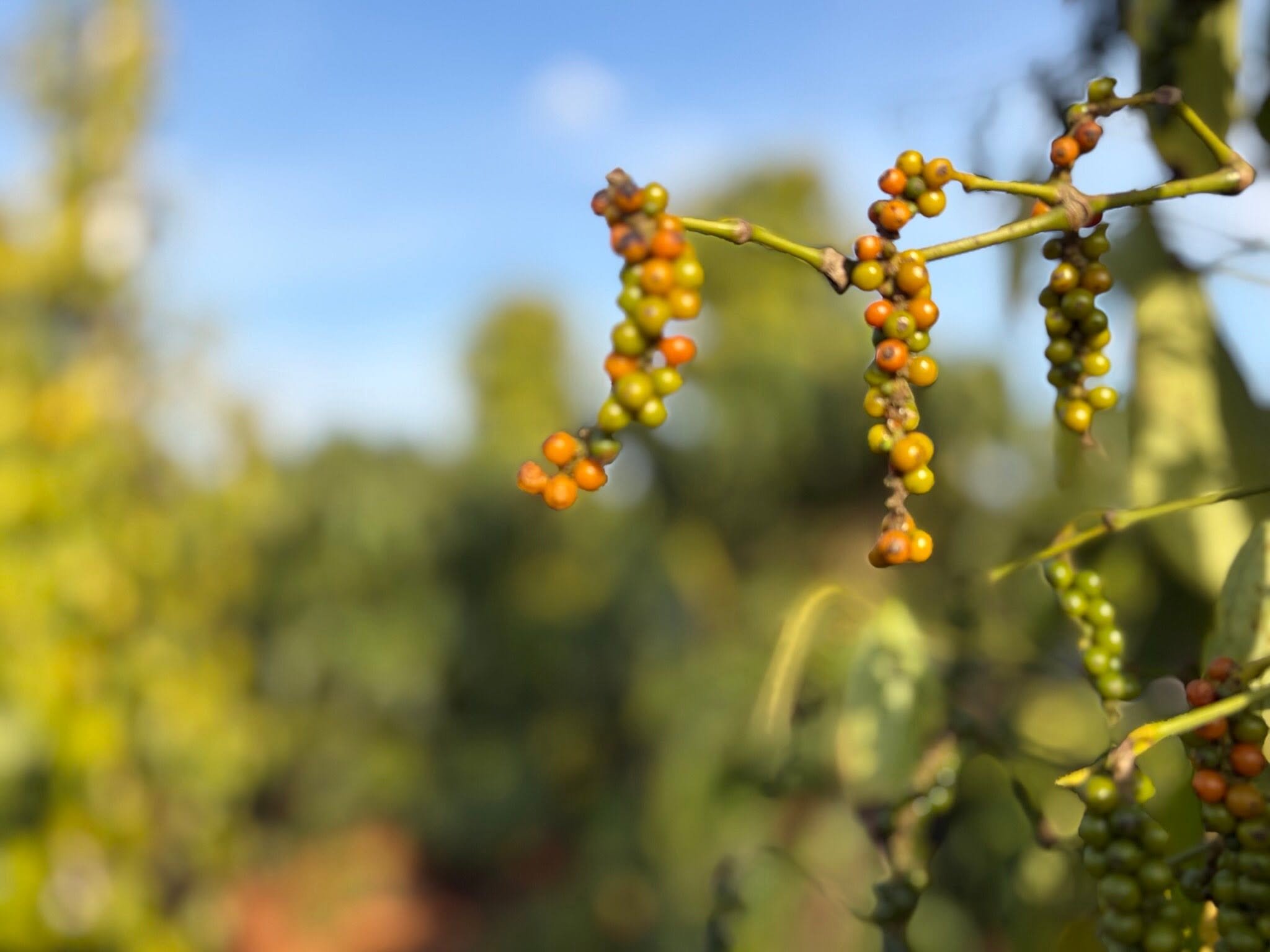
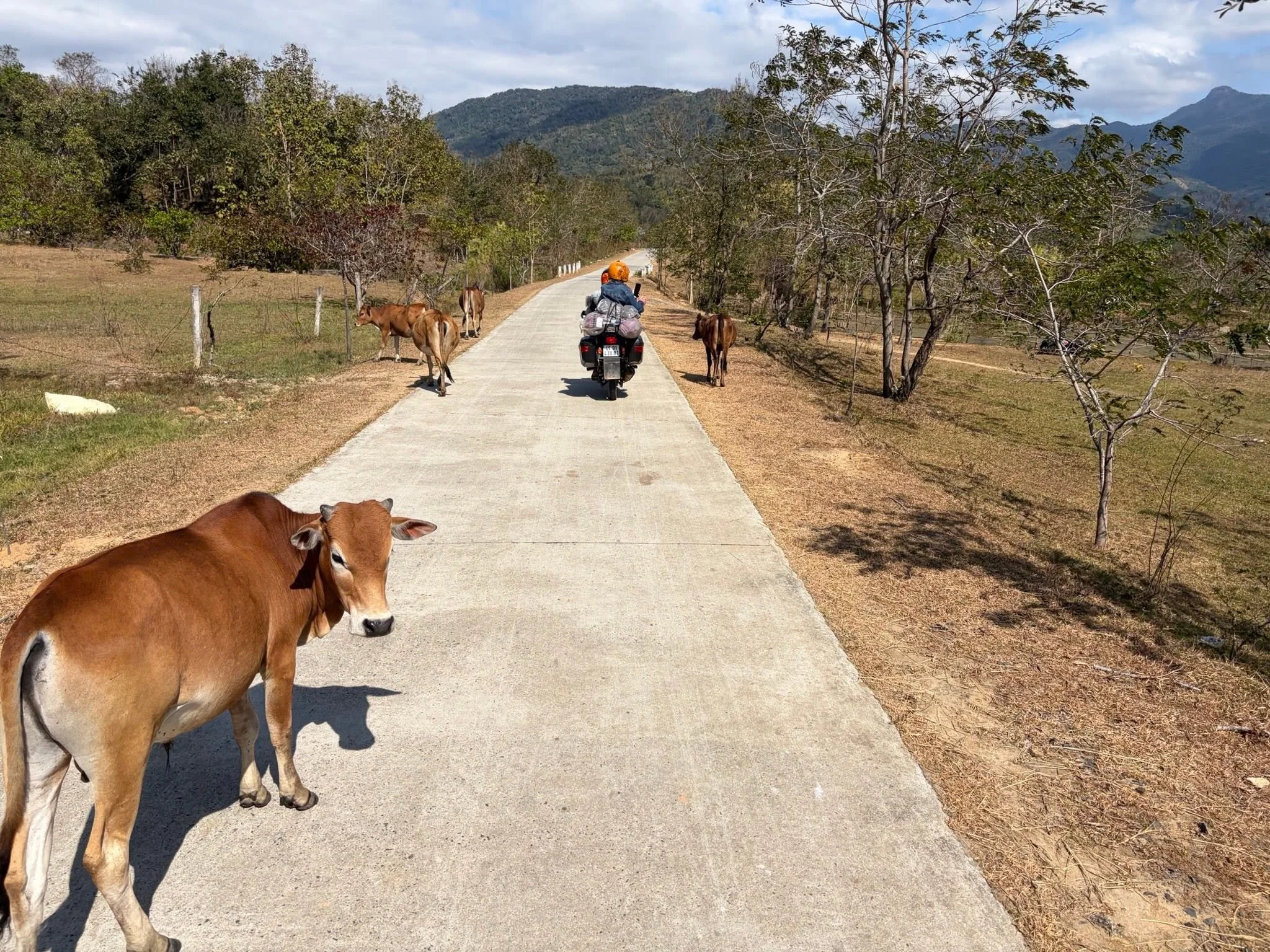
There were more bicycles on the roads as we rid the Delta and began following the Ho Chi Minh Trail east of Phuoc Long. The feral cats turned into stray dogs and there were more brick buildings. Traffic thinned and the green spaces between villages got longer and more pastoral. The rice and rubber of the lowlands began to give way to the money crops of the highlands: cashew, macadamia, cocoa, pepper and— of course— coffee.
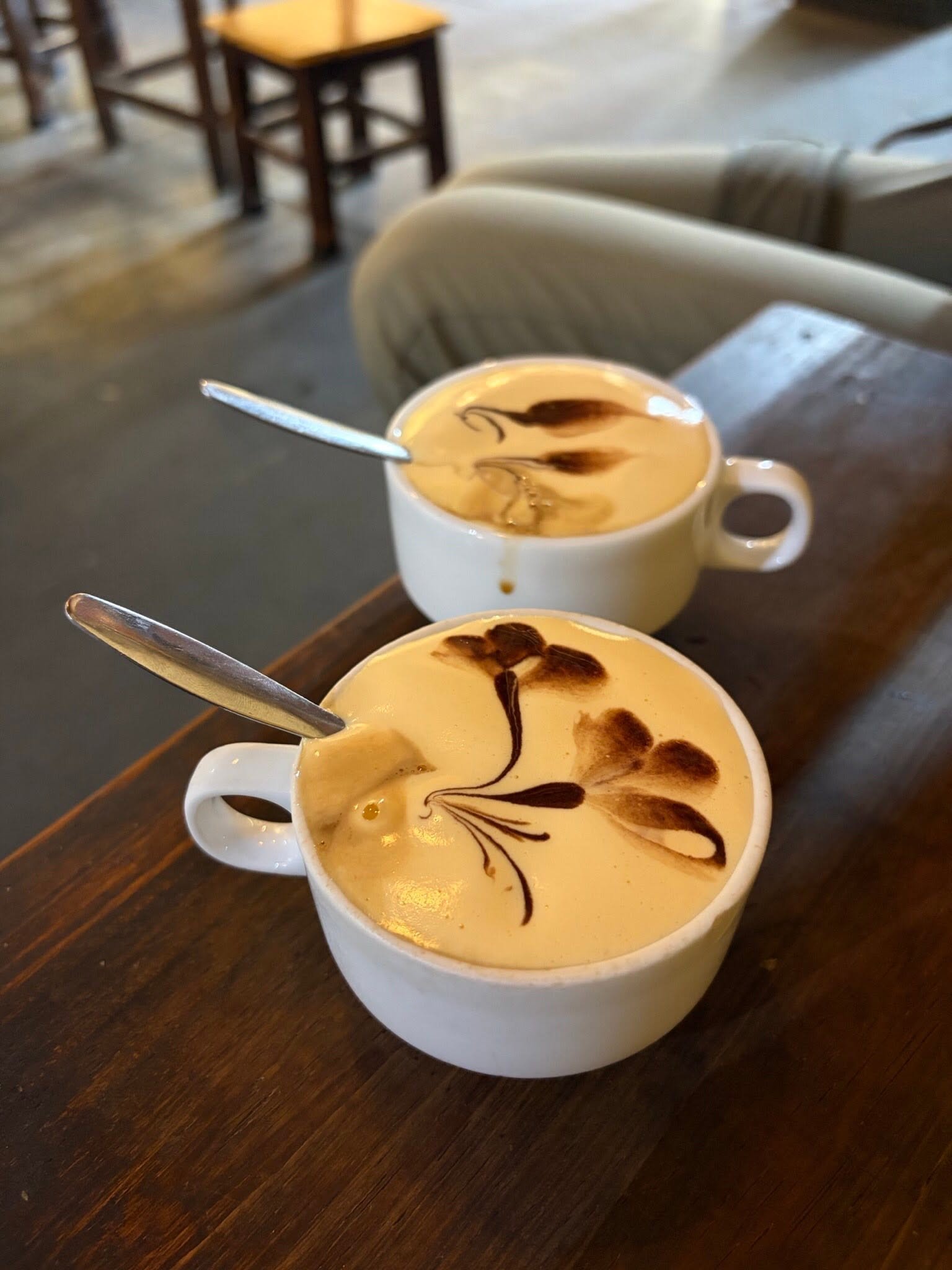
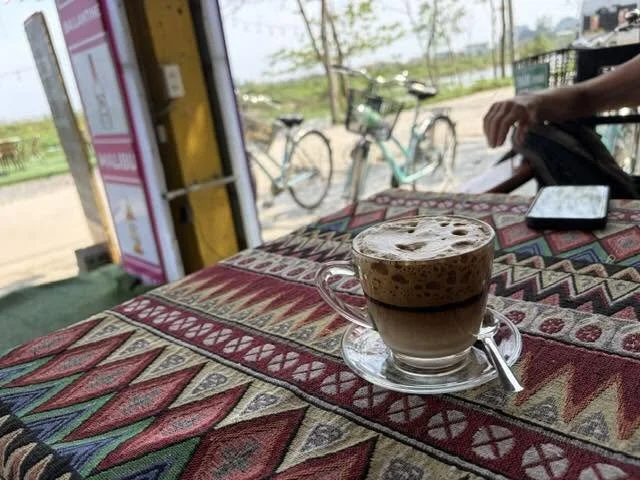
Lord, the coffee. It’s true that most things are better with condensed milk and sugar stirred up from the bottom— but it’s more than that. The coffee is rich and strong and fragrant and the milk just makes it that much more delectable. The locals drink it mostly iced, but in an effort to stay off the pot, we’re avoiding ice when possible— so we’re drinking it hot. Whenever we get the chance. It’s everything you’ve heard. Sweet baby Buddha, it is heavenly.
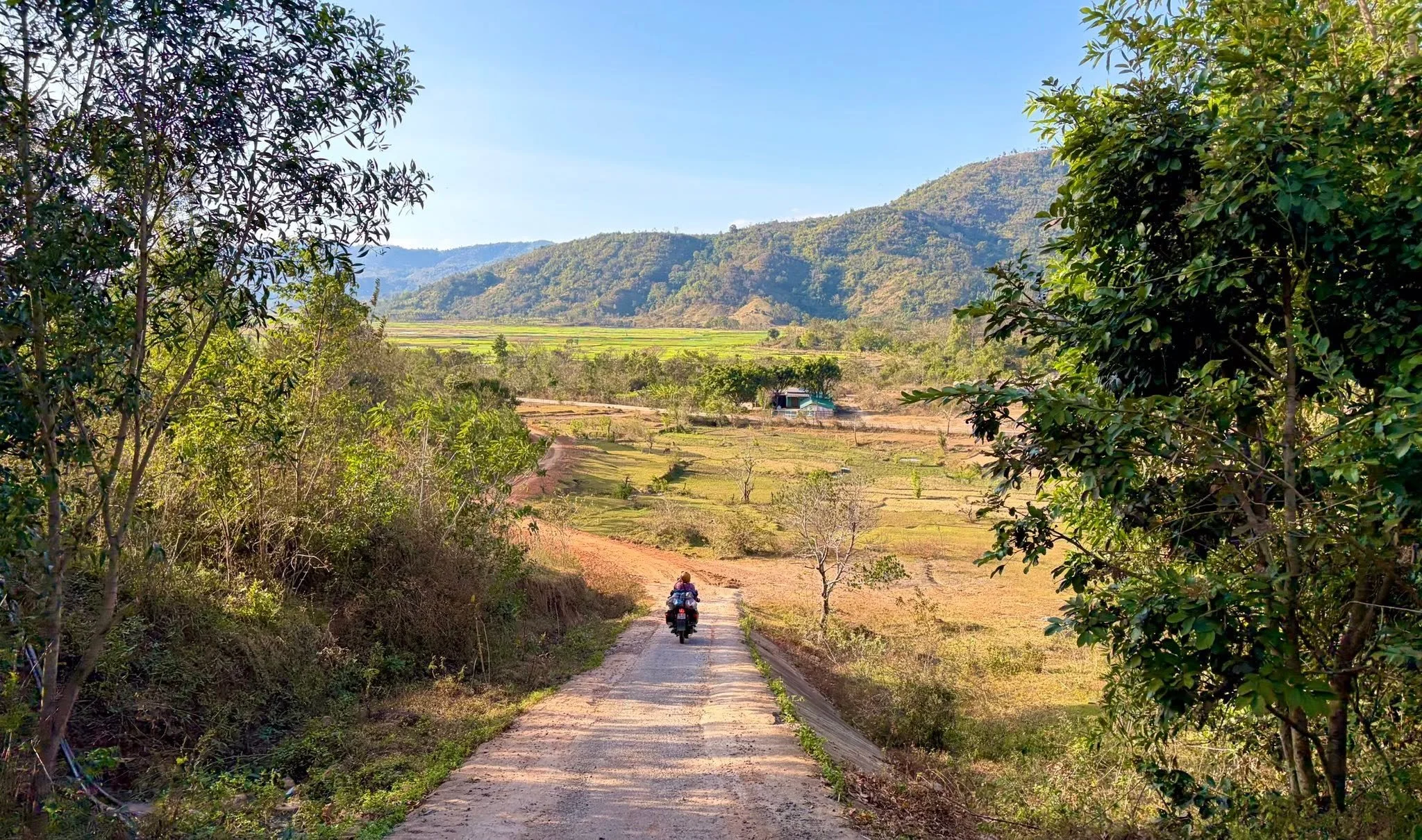
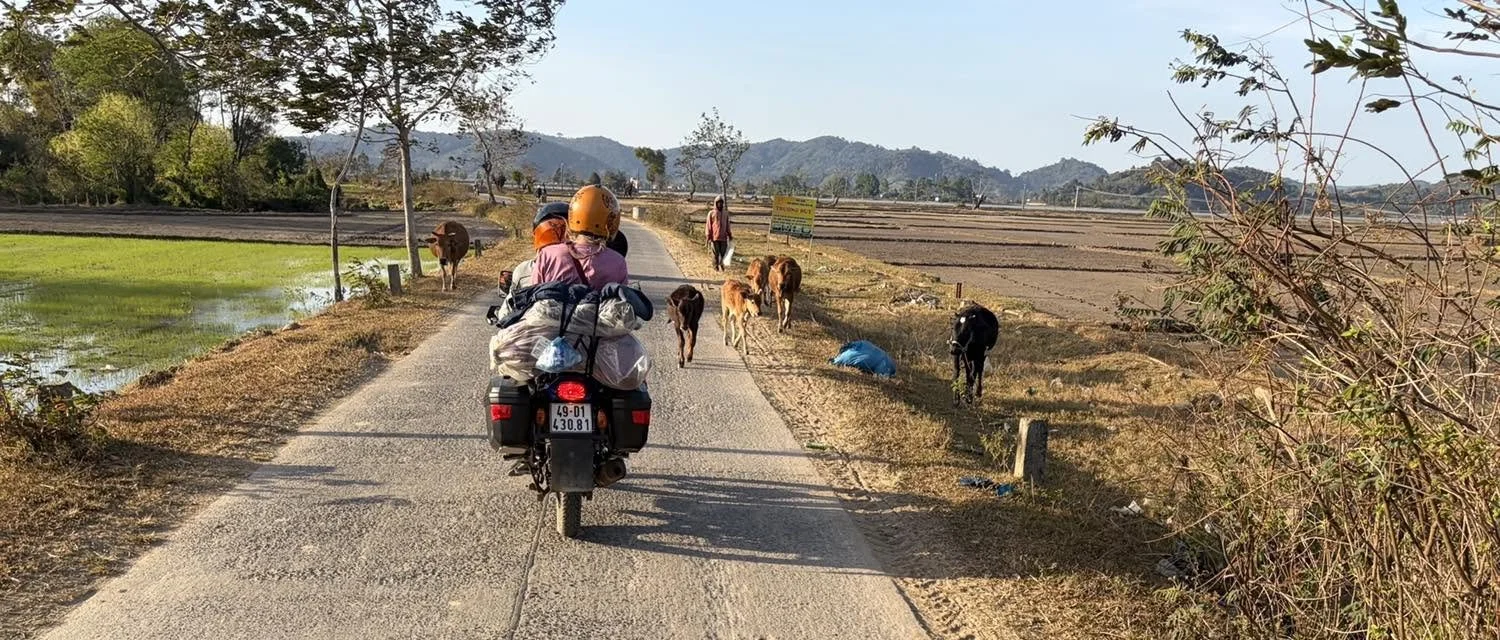
Day 5 was the brochure day, with a long sunny ride through the rice paddies of the M’Drak Valley. Stopping the bikes and dismounting on the side of the road, it occurred to us that it was very quiet here— something we couldn’t have said about anywhere else we’d been. Our drivers said ‘see you up the road’ and without further explanation just rode away, leaving Patti and I standing alone on a farm road in the middle of nowhere. A generator chugged in the distance, but otherwise it was totally quiet. Funny how silence can choke you up when you’re not expecting it.
But our guides knew. They seemed to always know exactly what to do or say— or what not to. Sometimes an explanation of a site seen is useful and appropriate. But knowing when to fade wordlessly into the background and let a traveler steep in a moment that requires no explanation— that’s where the magic happens. That’s the beautiful part. And leaving us on that road without explaining to us why was a great example of this type of presence Sonny & Tim displayed every kilometer of this long journey.
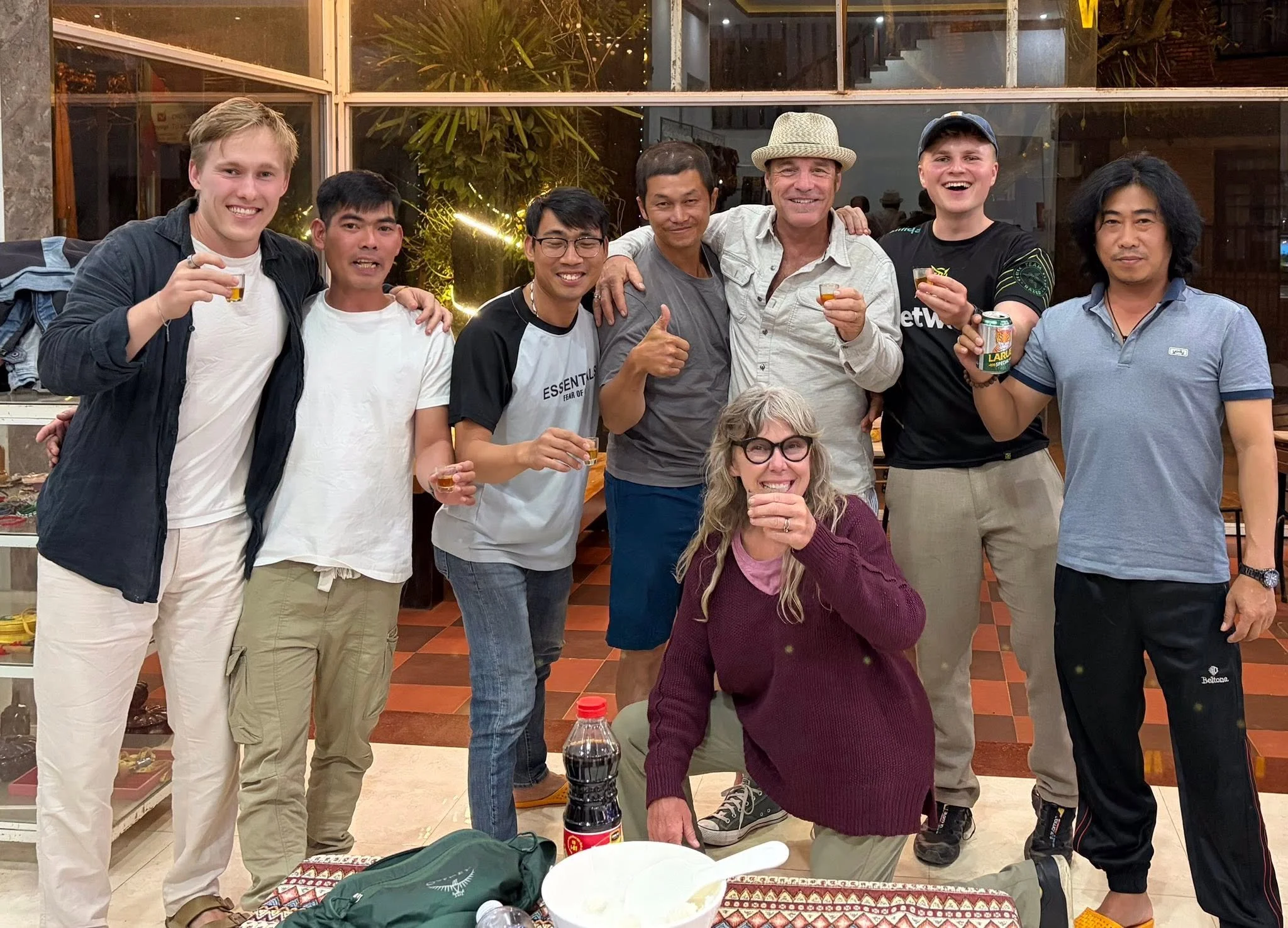
The last night at the Lak Lake hotel was a celebration, re-connecting with another Easy Rider tour whose paths we had crossed on occasion during the previous week. Two young Danes were also seeing Vietnam for the first time and it was lovely to debrief with some other westerners having our same experience in parallel. Dinner consisted of tilapia in tomato sauce, steamed vegetables, spring rolls and of course lots of white rice. The 8 of us hung out at the long table well after dinner, sipping Tiger lagers and toasting shots of banana wine. It was a fitting finale.
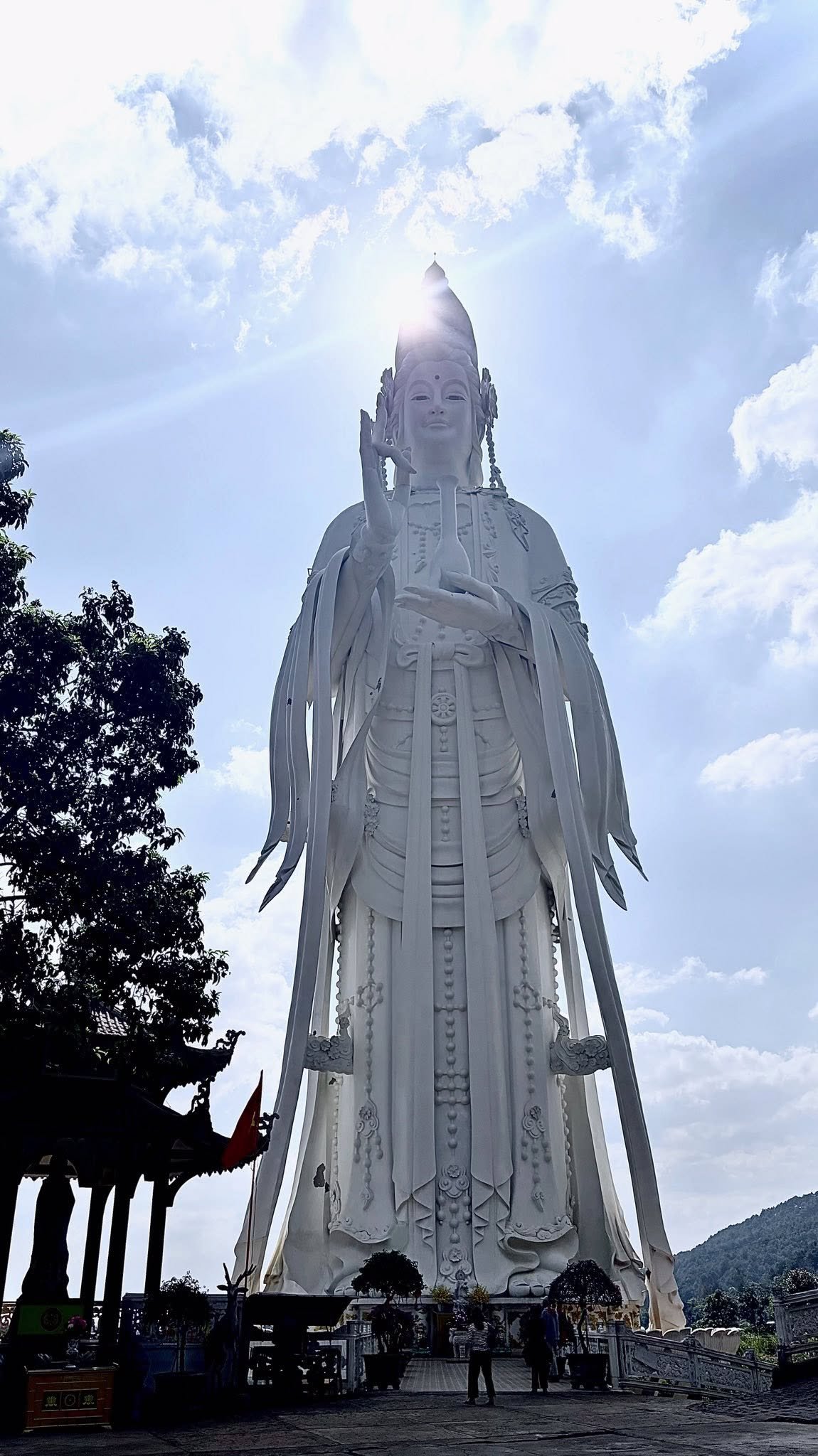
The last day on the road was an eventful and emotional one. The inspiring Linh An Pagoda. The silk factory. The weasel coffee roasters and the cricket mart (yum!). But with each progressive stop, my mood grew more and more melancholy, knowing we would be saying goodbye to our easy riding champions very soon. These guys had been so much more than drivers. So much more than tour guides. They’d been our advocates and our translators. Our protectors and teachers. Idiot checkers, constant reminders, porters and drinking buddies. They had become our friends. We will always be friends.
DaLat City, Wednesday
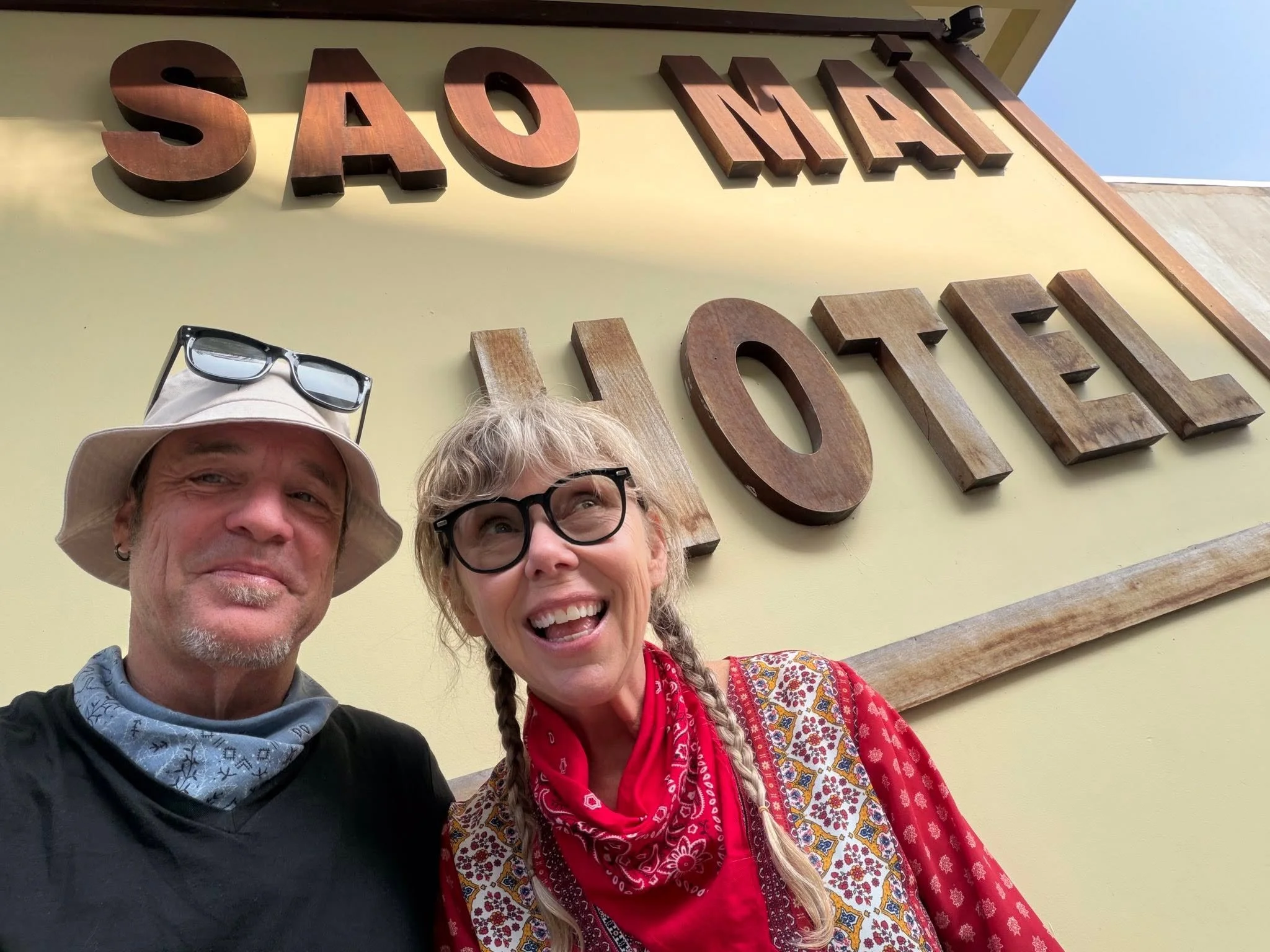
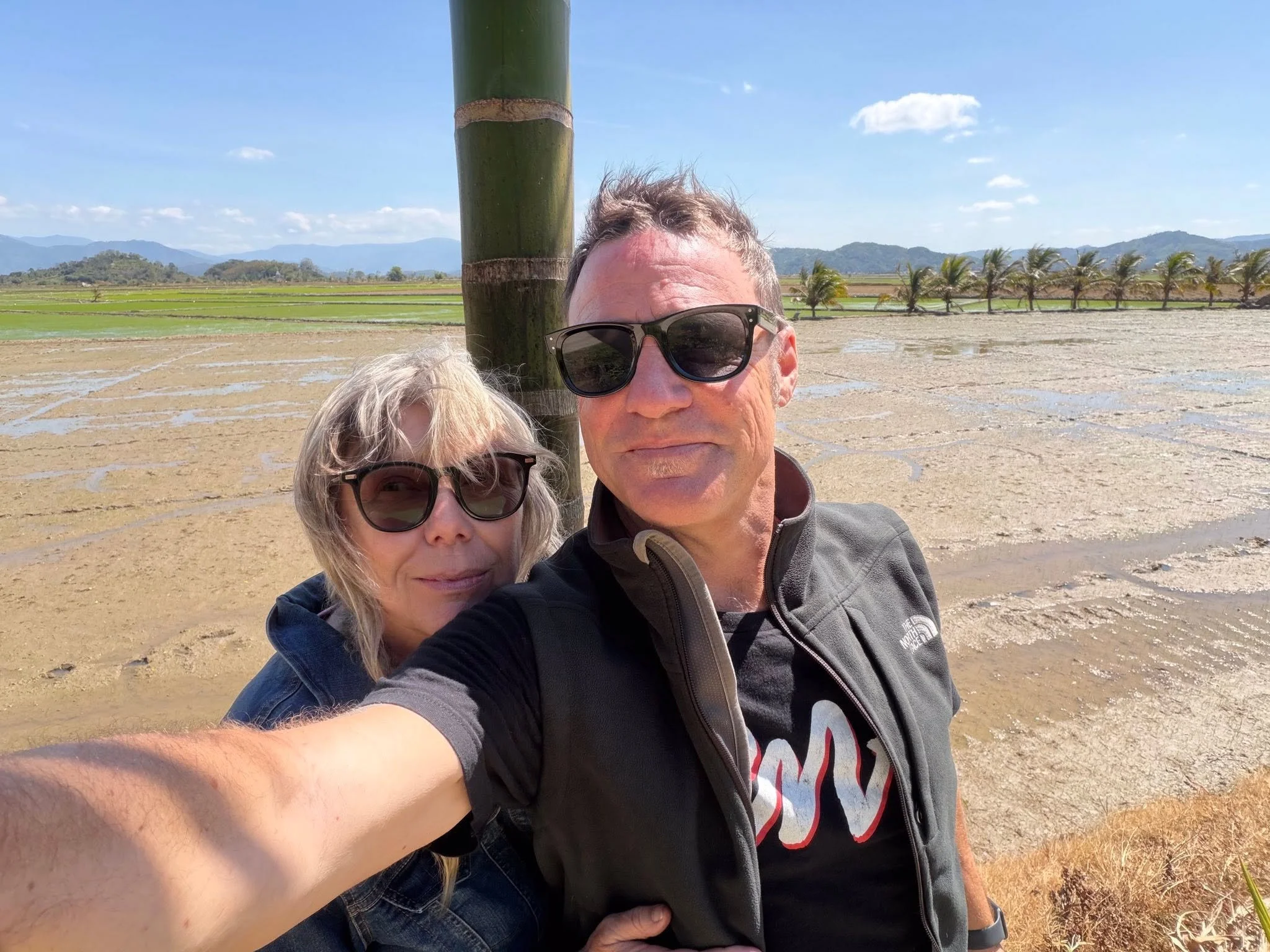
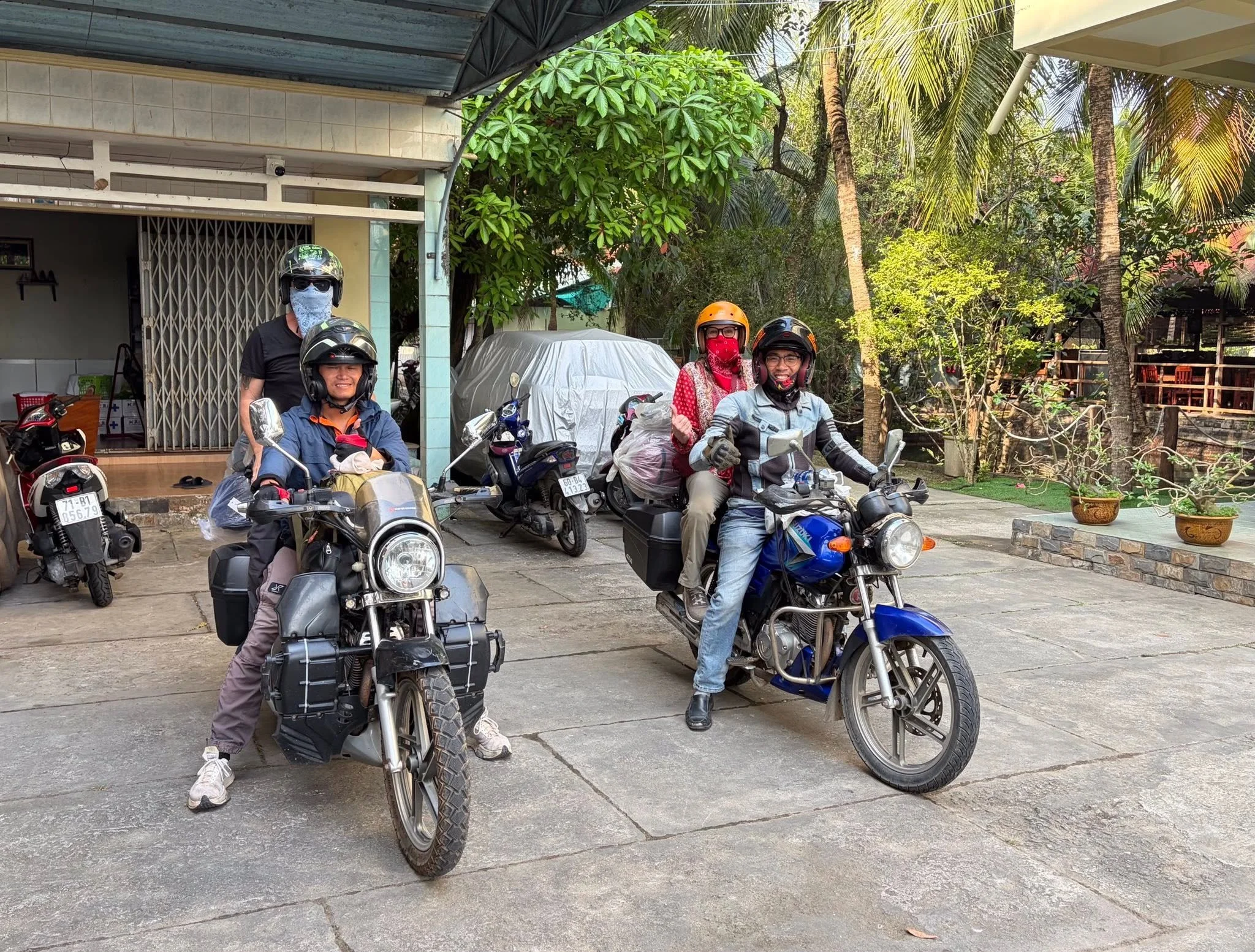
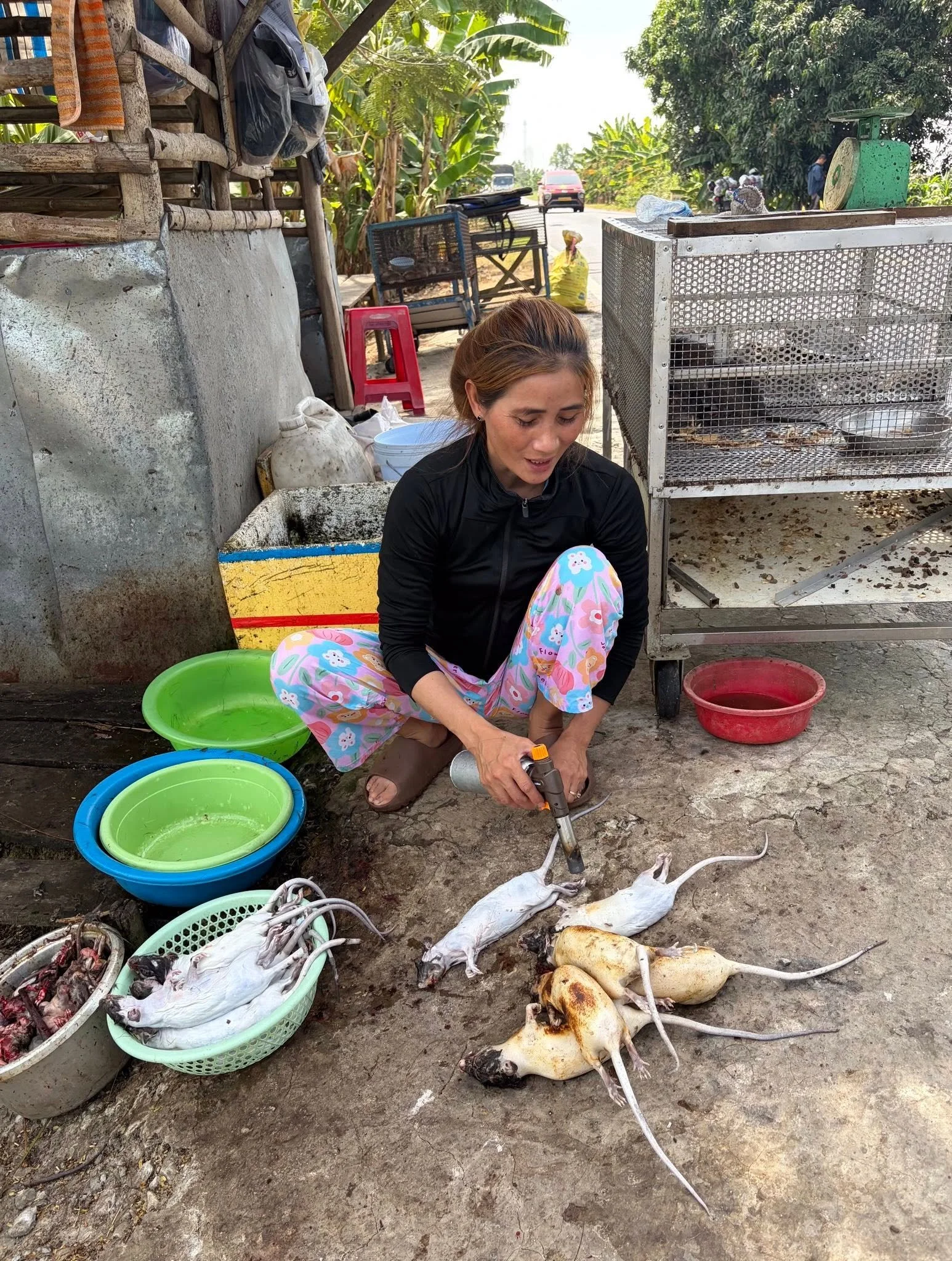
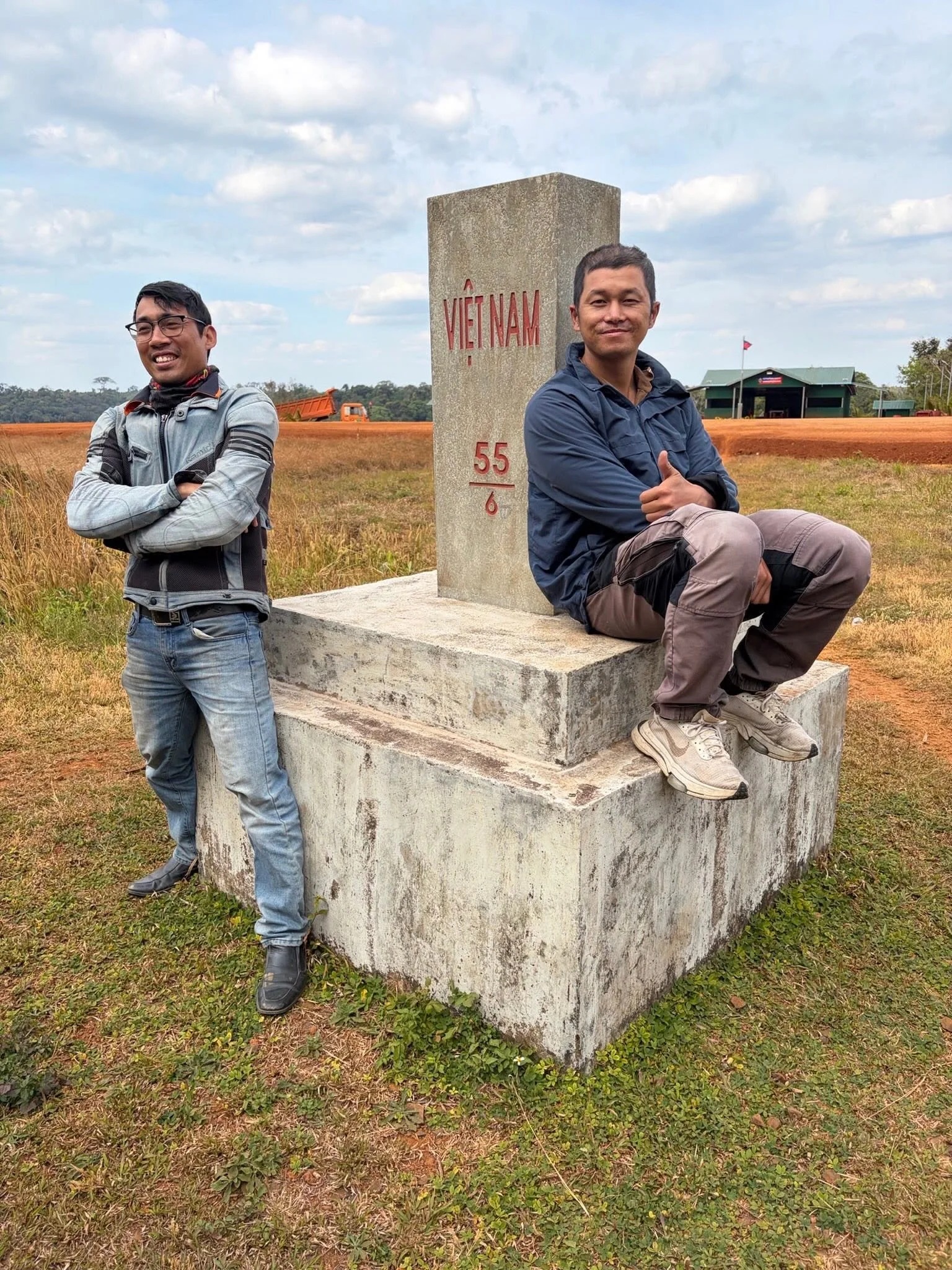
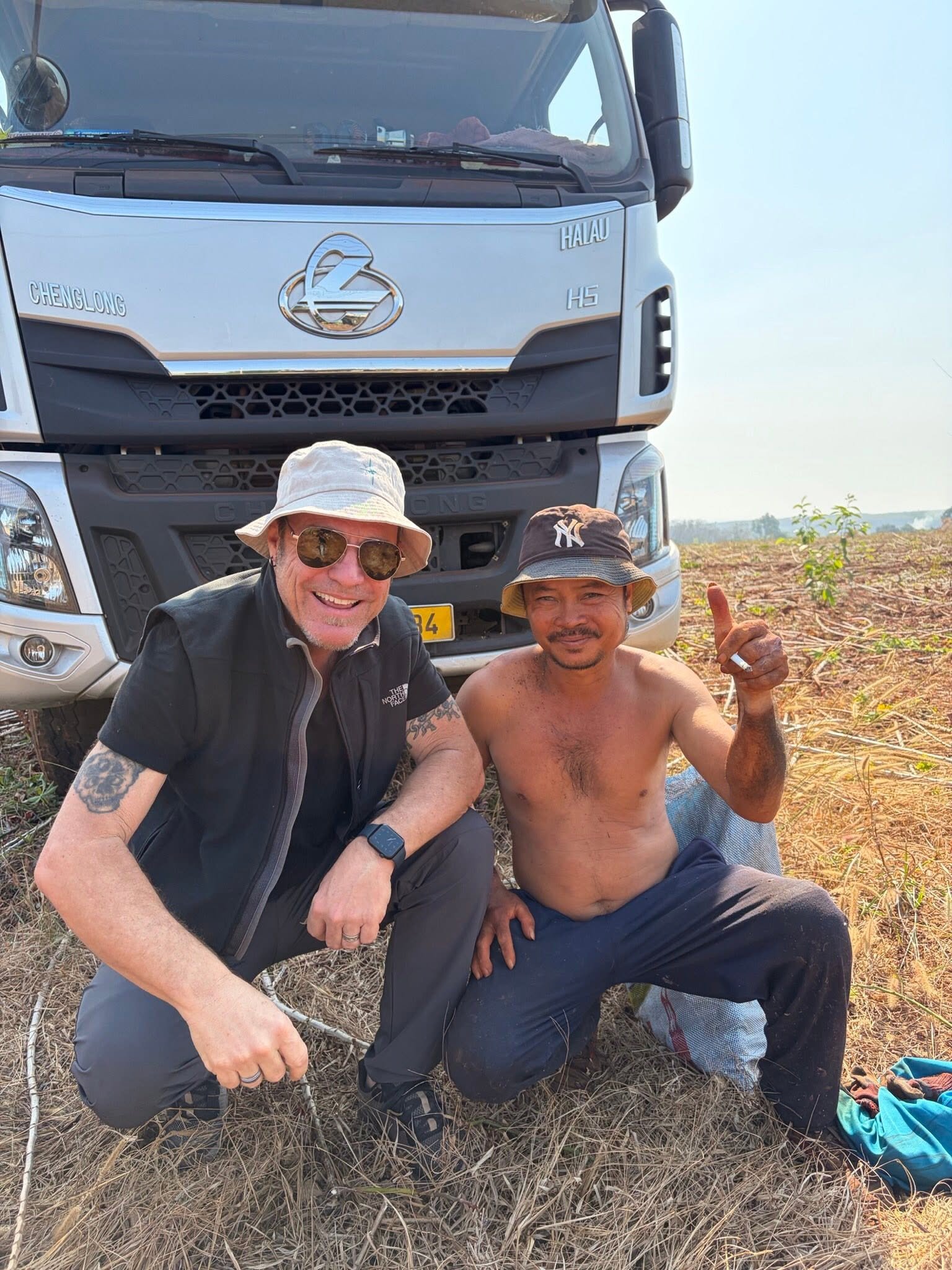
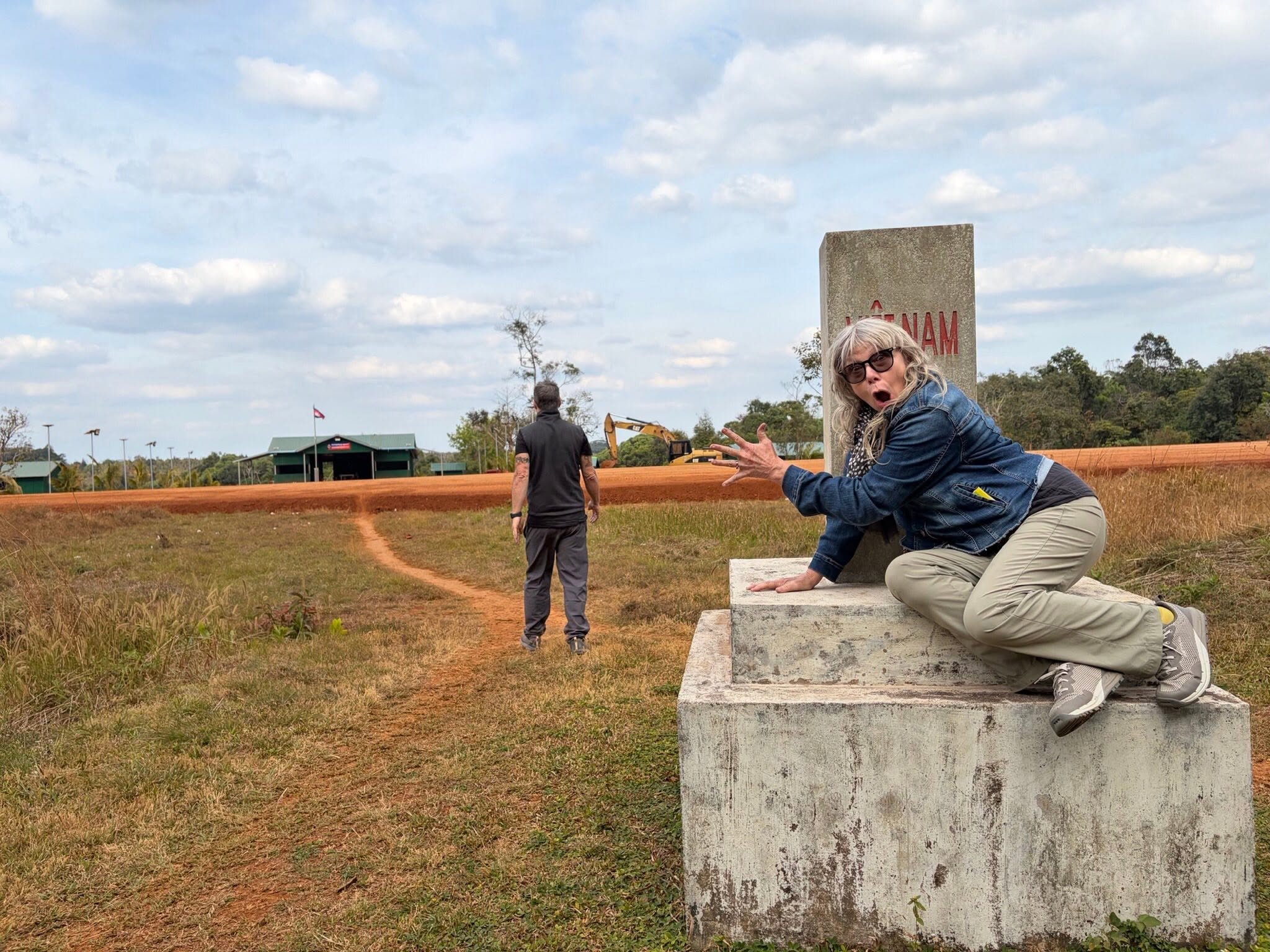
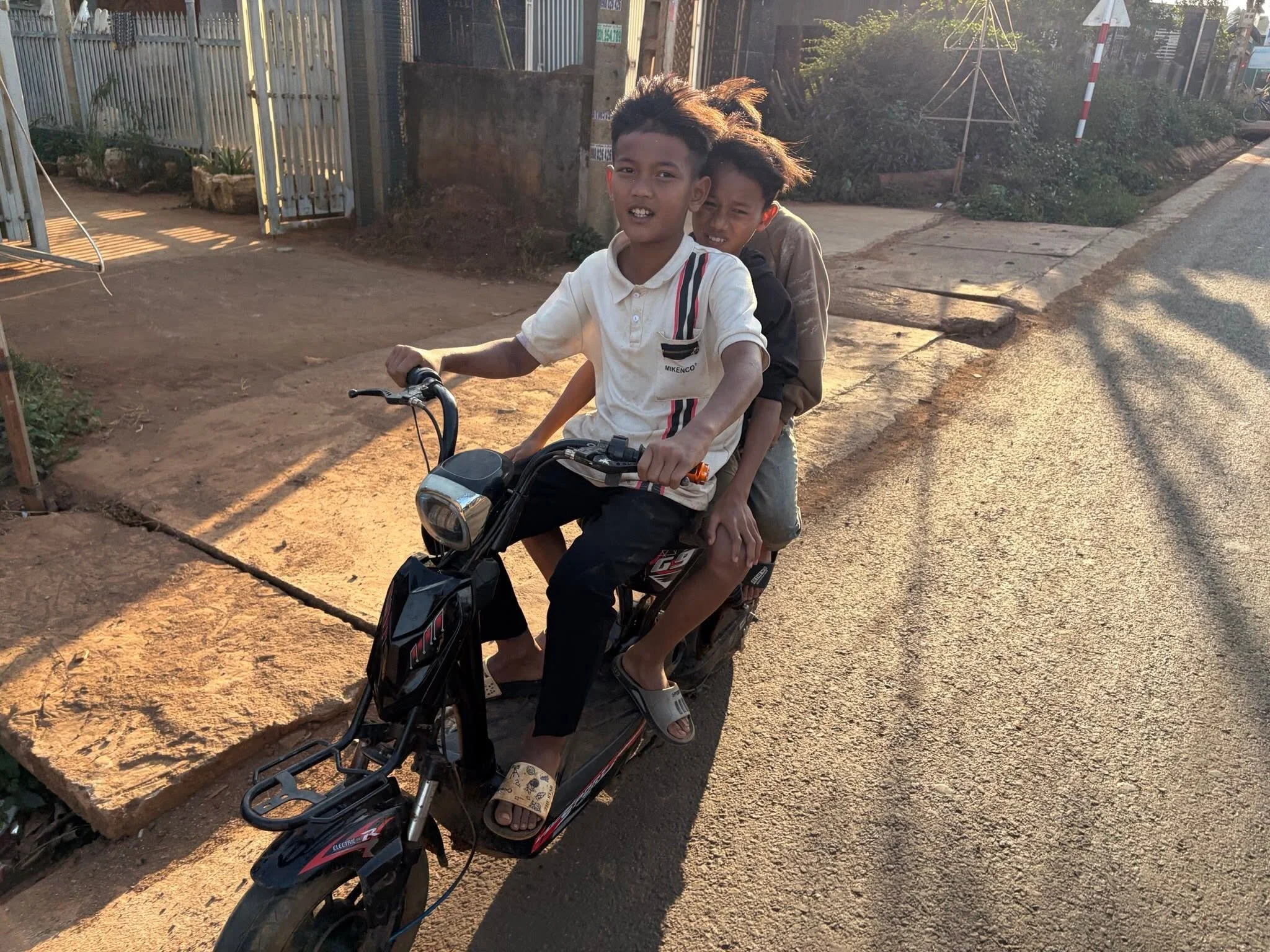
Vietnam 2026
DaLat Rock City
It felt very cosmopolitan landing in DaLat Rock City on Tuesday at dusk after six days of zooming through one-horse villages and the wide-open foothill frontier of the lower Central Highlands. DaLat felt downright urban with its tile showrooms and HVAC outlets, petrol stations, bars and hillside greenhouses. And honkies. Suddenly there were a lot of people around who weren’t Asian.
Not that there are many Americans. Mostly the whities seem European. You can spot the Russians a mile away, and the Australians are easy to identify too because they’re usually talking super loud about being Australian. There are a lot of Israeli travelers here also, and what I keep forgetting is that just because someone is Asian doesn’t mean they’re Vietnamese. There are tons of Chinese and Korean tourists, but in my tiny self-aware Braimesworld worldview, I still just think we’re the only Americans— which would be fine with me if it were true.
Not that anyone cares. When asked, I do often say we are from Southern Canada. But honestly it seems like Americans are less unpopular than many other tourists. And as far as the grotesquely flawed personality behind US foreign policy goes, it seems many Vietnamese view Trump as anti-China and that is much more positive to them than his domestic developmental disabilities are expensive. They don’t know him like we know him; his character is not their conern. They have much more pressing issues to deal with in China.
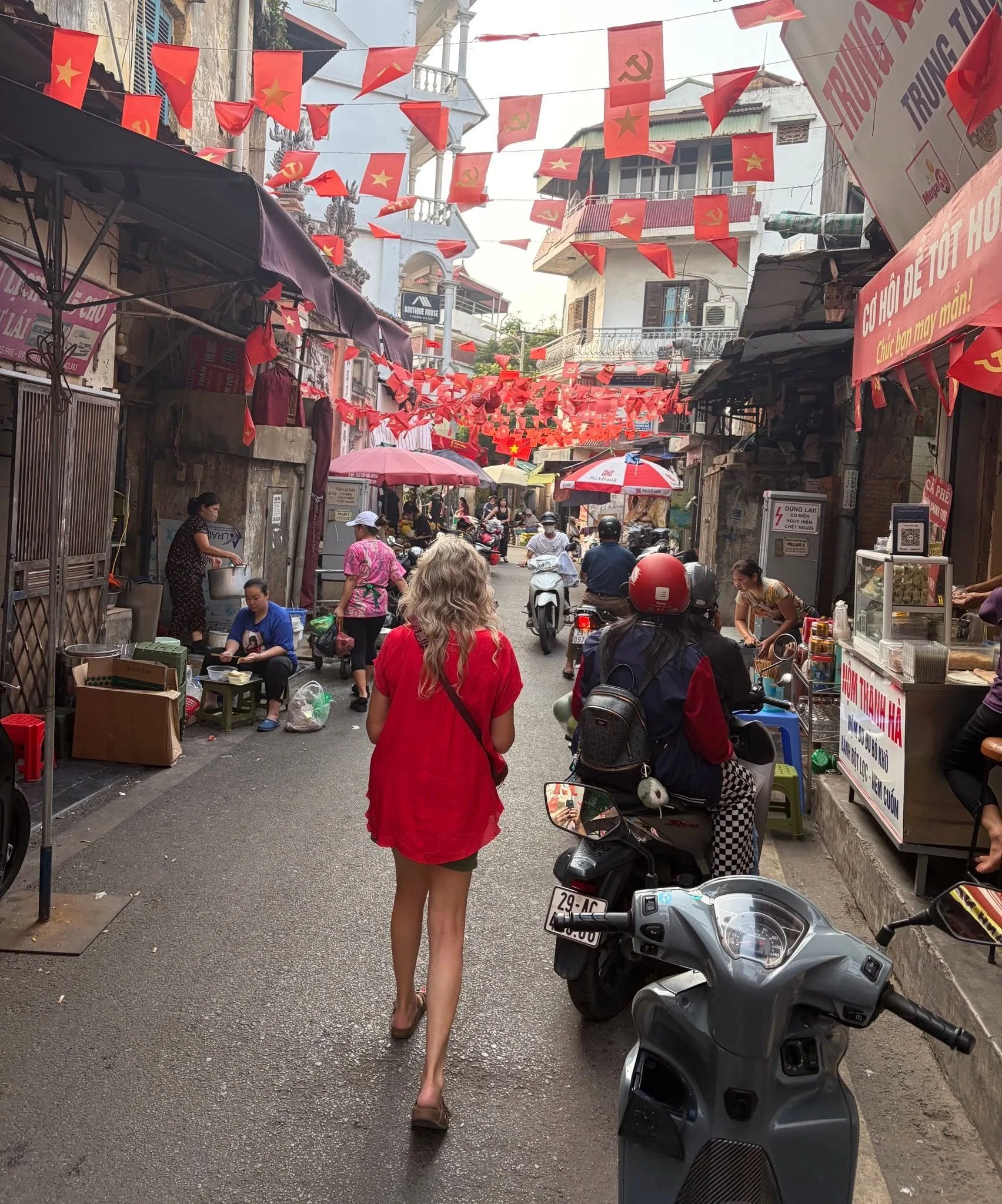
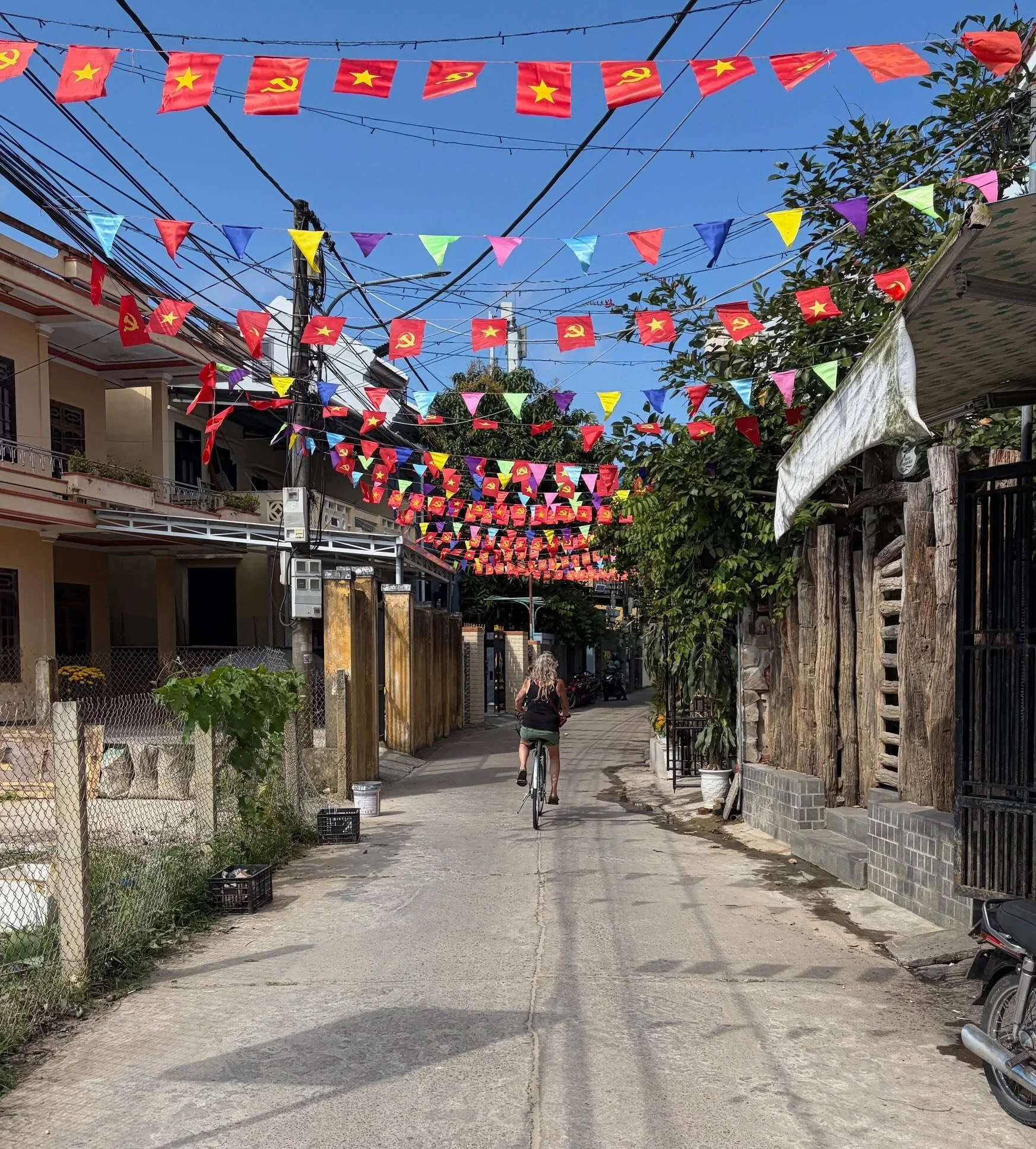
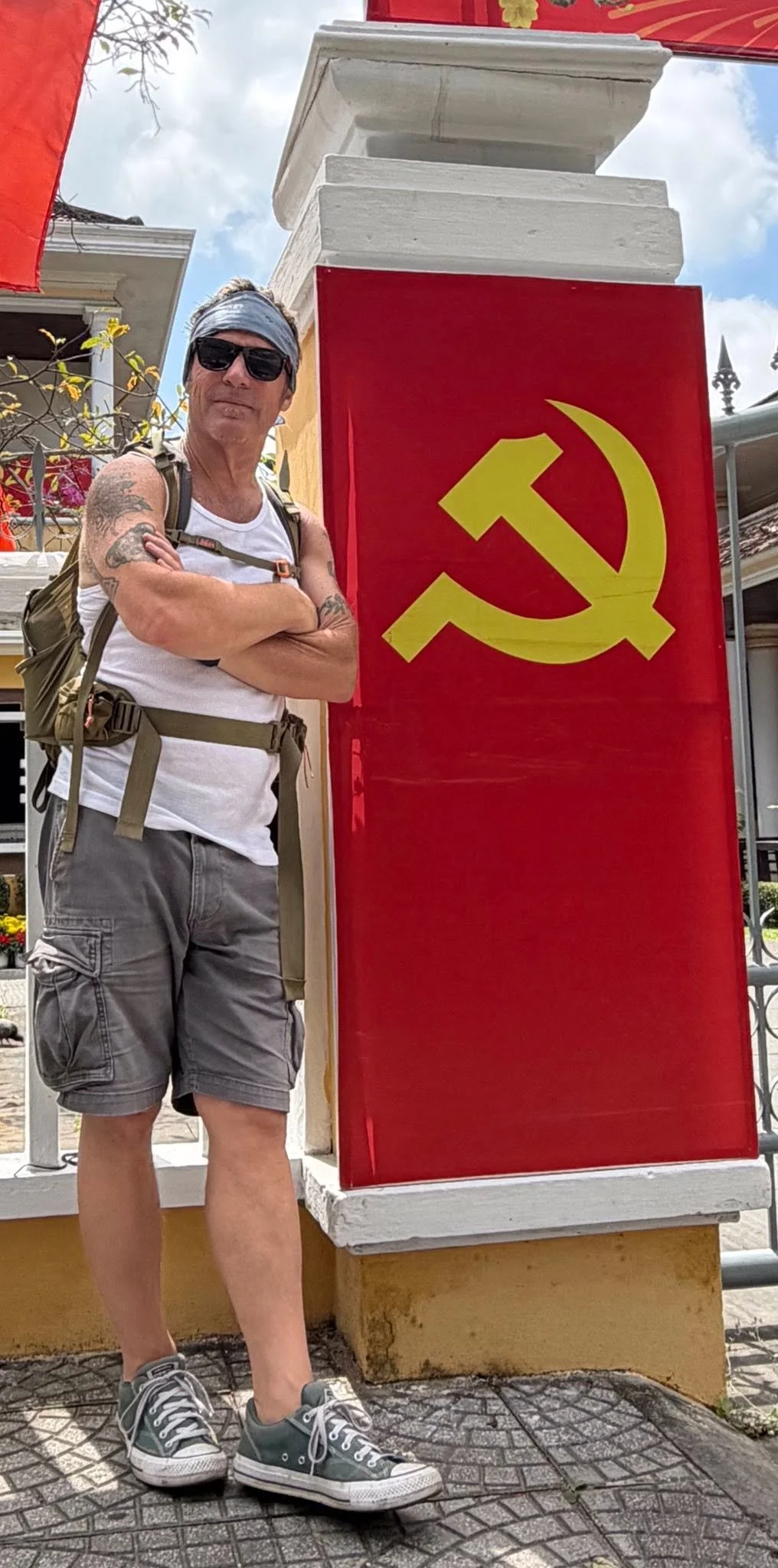
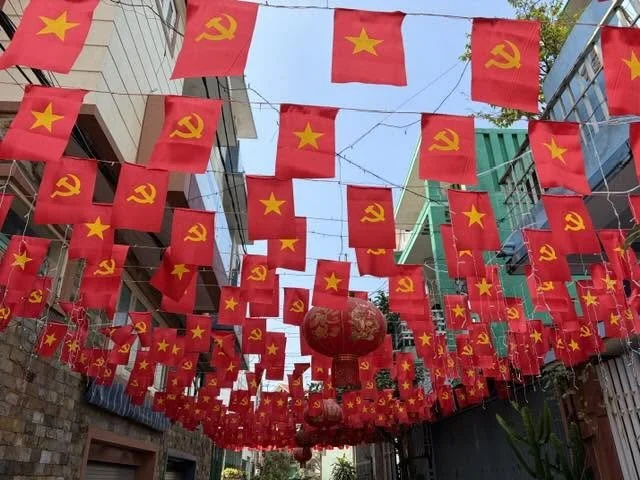
And they live in a communist country, after all. The Vietnamese don’t enjoy the sport of being all pissed off that 51% of the fools in their country elected a corrupt imbecile— because the Party tells them who is going to be in charge to begin with. The hammer & sic are everywhere, hanging side-by-side with the gold-star Vietnamese flag— companion pieces for sure. But it doesn’t appear as though there’s all that much muscle or even intent behind the logo. Our bike guides did (kind of) agree that the Party is watching you (some) and they also (sort of) allowed that some businesses (might) raise the flag or donate space in a field or on a building for a propaganda billboard. And maybe the business owner gets some points (a literal gold star!)— it’s not clear. But in general, it doesn’t seem like the Party is breathing down everyone’s neck or taxing them to ribbons. They’re certainly not shooting civilians in the street.
*********************************************************************
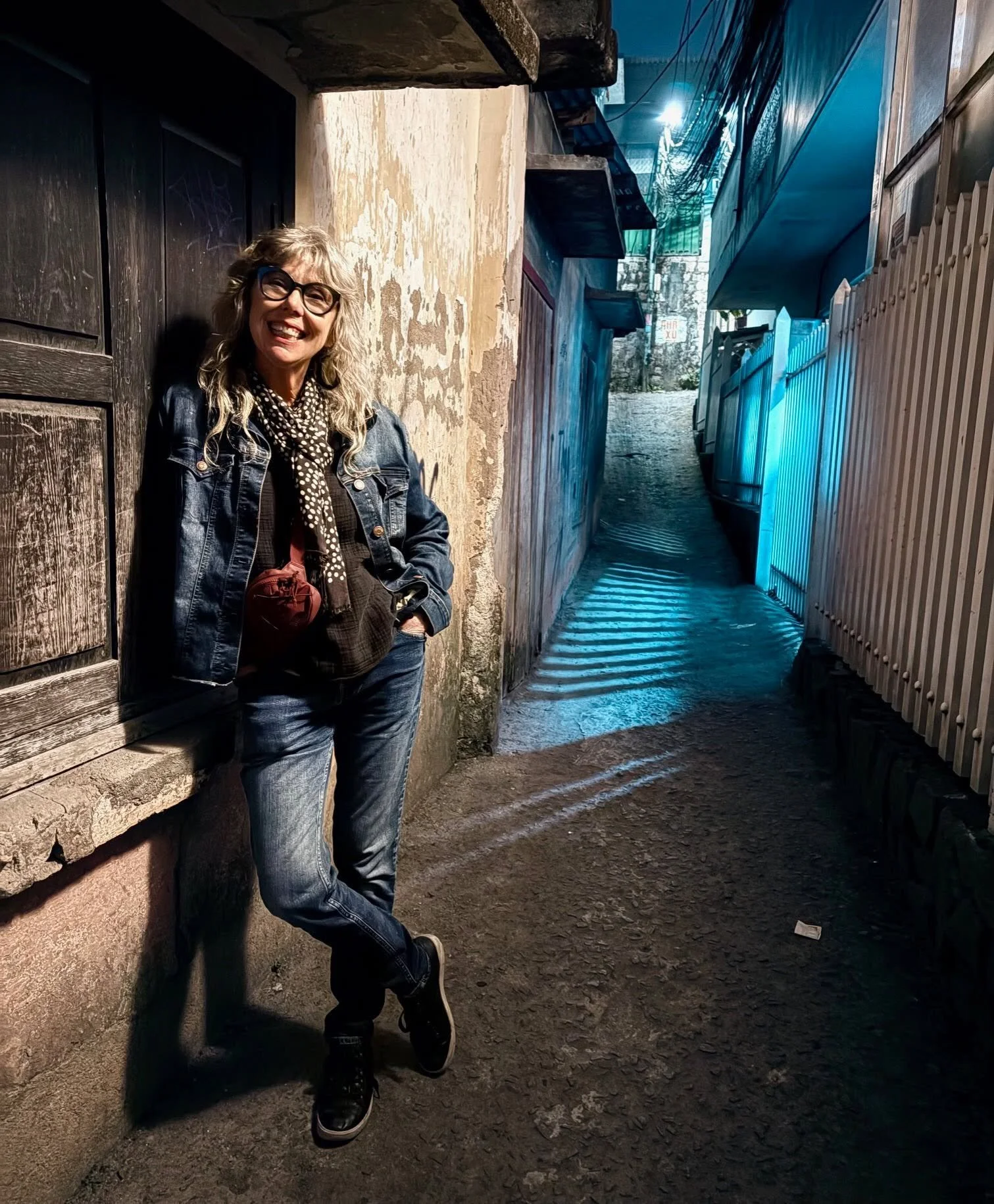
There’s a lot of French presence throughout Vietnam, but nowhere is the architectural influence on bolder display than in DaLat. The French built what makes DaLat DaLat starting in the very late 19th century and the city retains a strong European flavor, from the buildings themselves to the infrastructure with its stone-lined canals and impossibly narrow, steep, winding backstreets and alleyways. The French got forced out by the Japanese during WWII, but then those guys had to split after surrendering to the Allies in 1945. The French returned for a minute to check on their villas, but eventually were chased for good by Ho and his Viet Minh by 1954. And then of course we all know what happened after that.
The point is that DaLat was largely spared throughout all this historical conflict. Unlike less-fortunate venues like Quang Tri or even Saigon, the City of Flowers was not reduced to rubble because it was just too darned pretty. It’s kind of like Savannah that way, which Sherman spared because he had girlfriends there. Both sides— all sides— agreed informally that they’d work around DaLat, and it functioned as a holiday zone for brass of many different stripes. It still does.
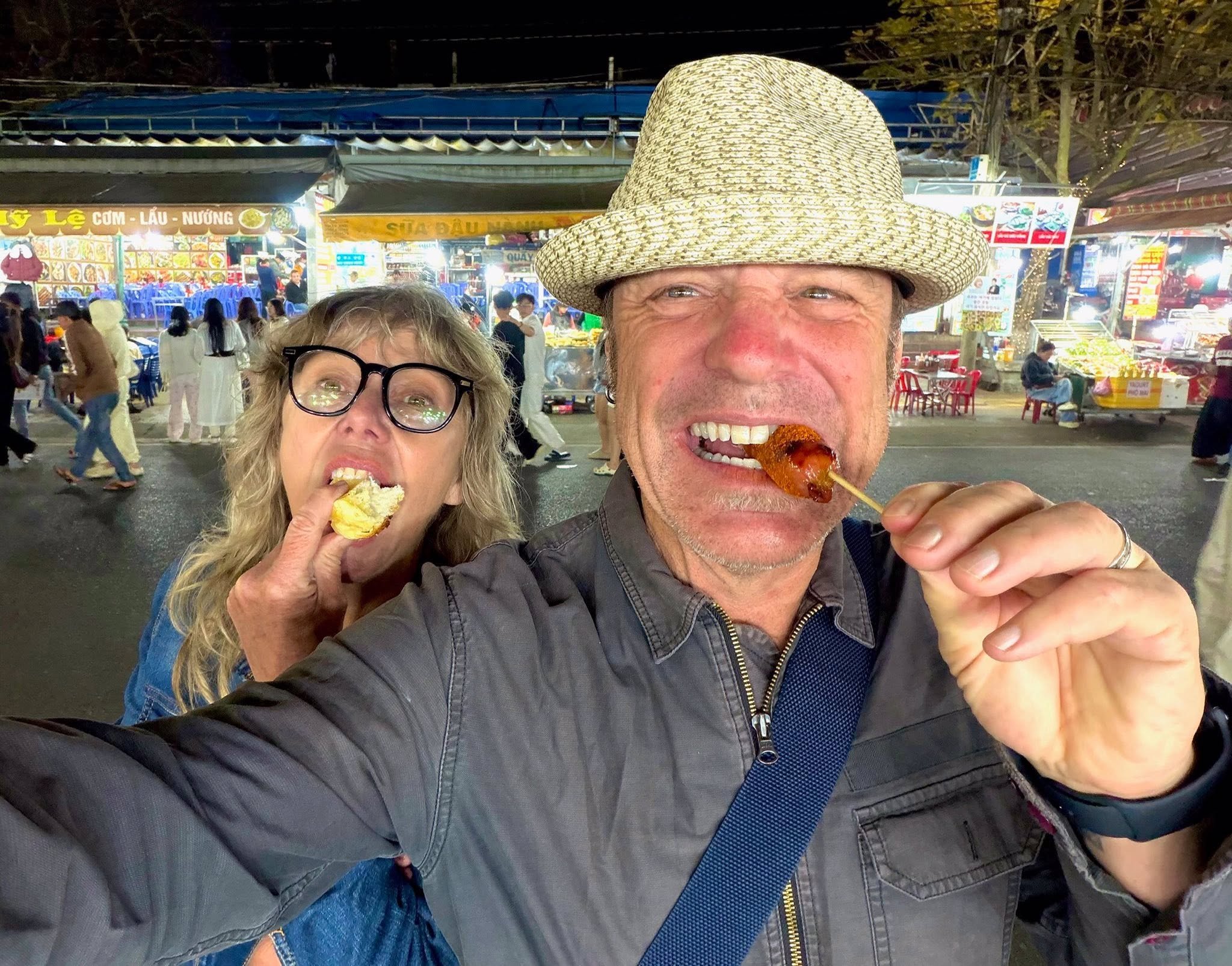
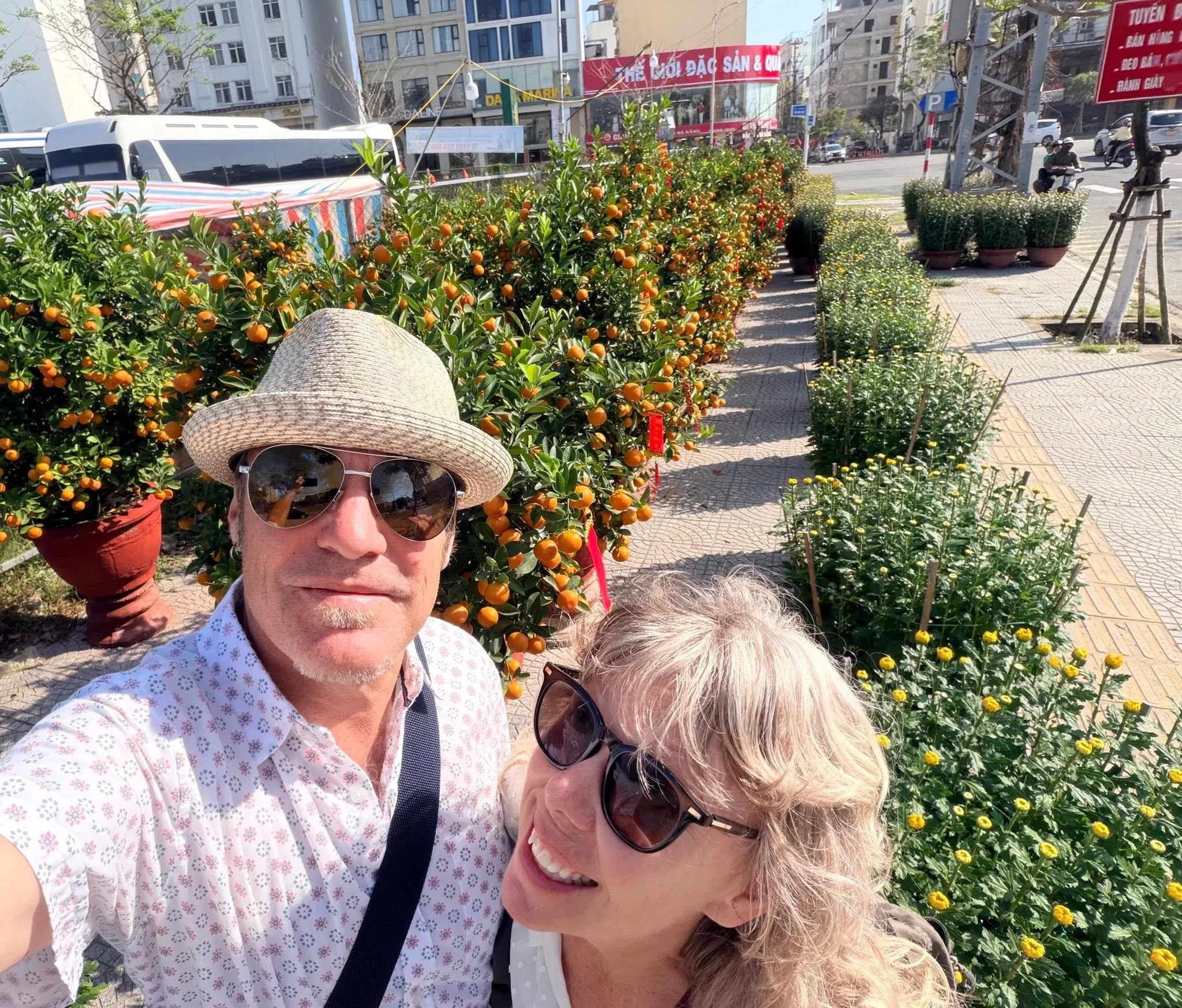
Lots of vacationing going on here. With Tet fast-approaching, there are decorating crews stringing up ornate red lanterns and unpacking great crates of red and yellow flowers. The cherry blossoms are starting to open and there is a lot of dressing up and posing for selfies.
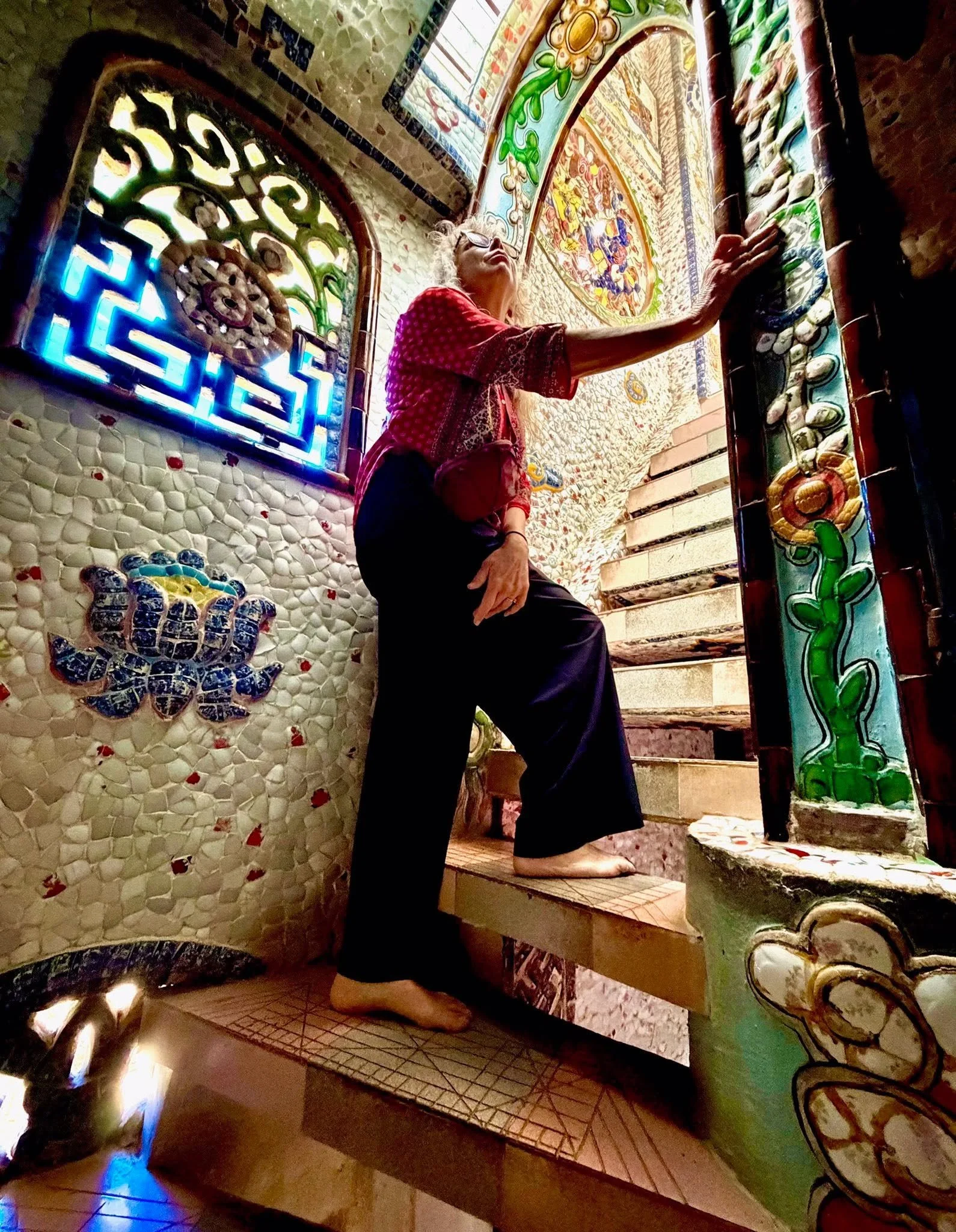
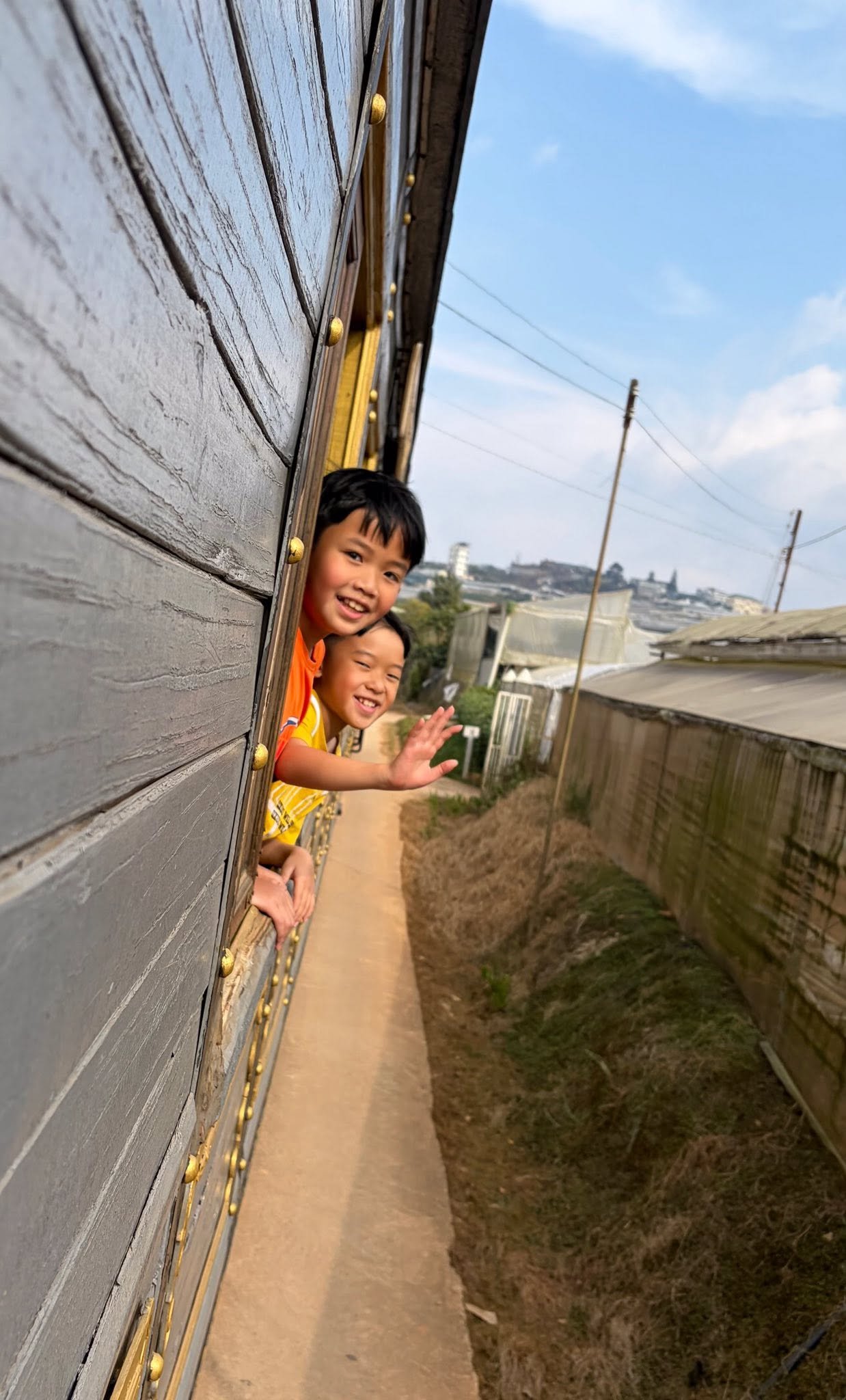
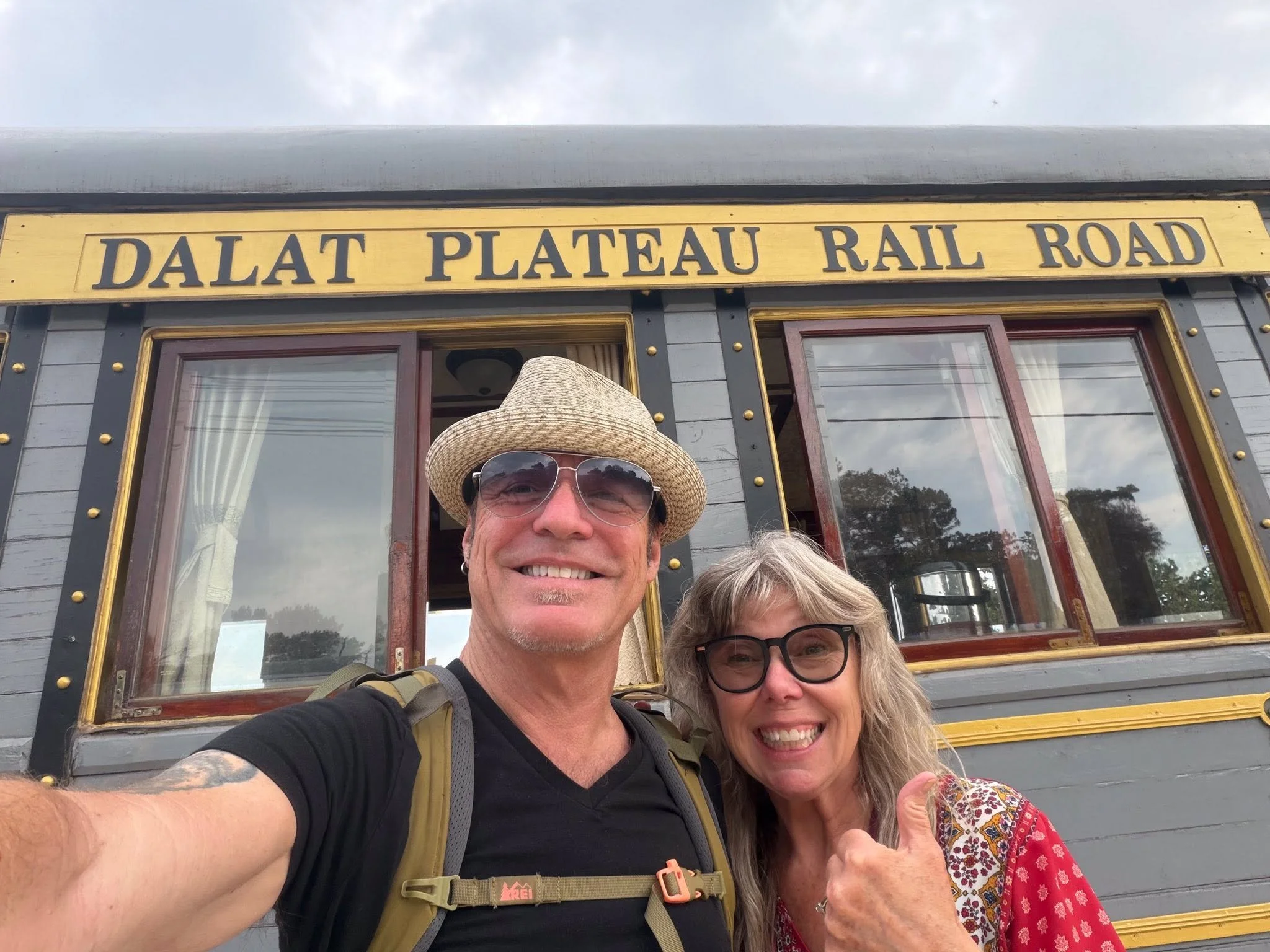
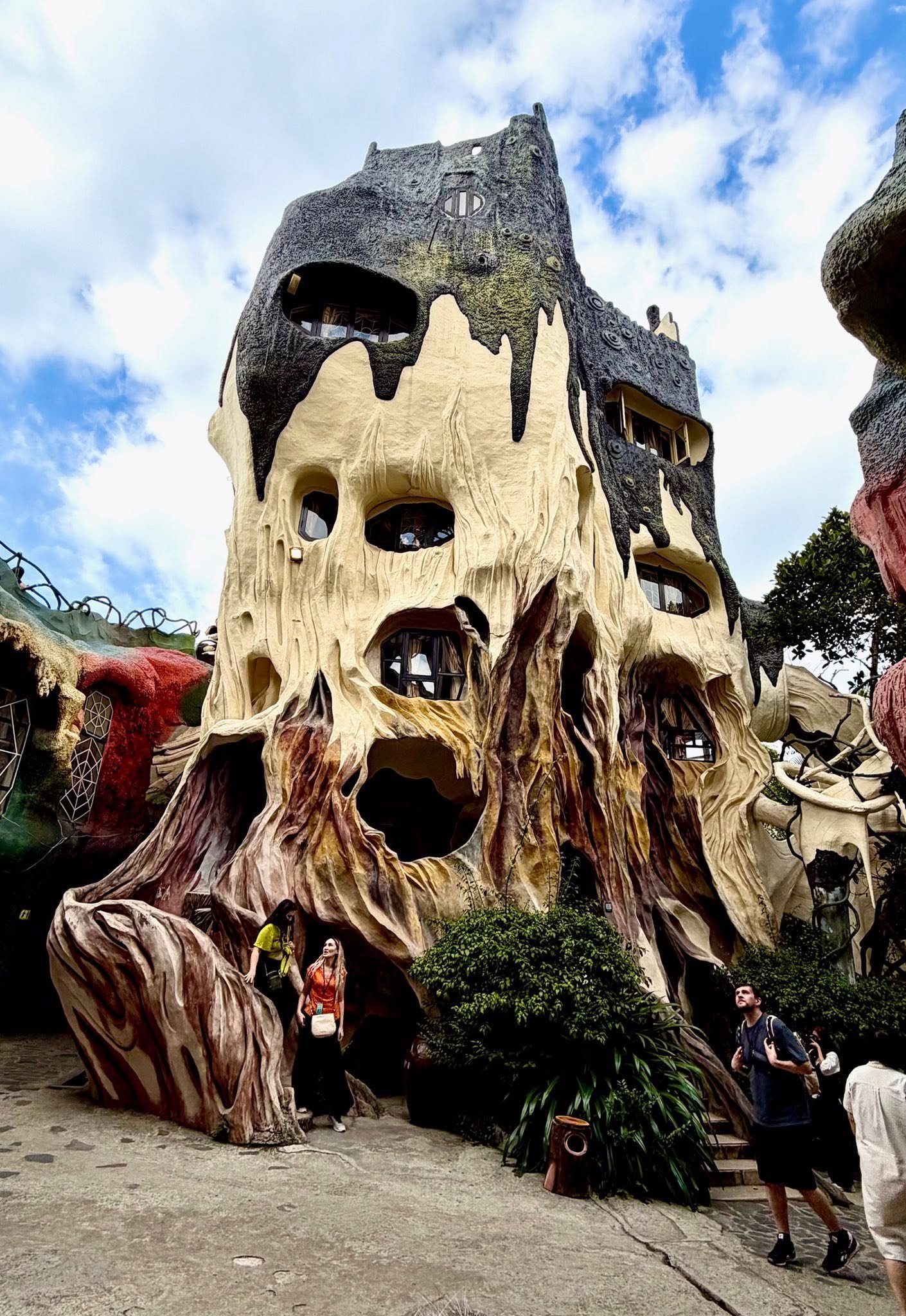
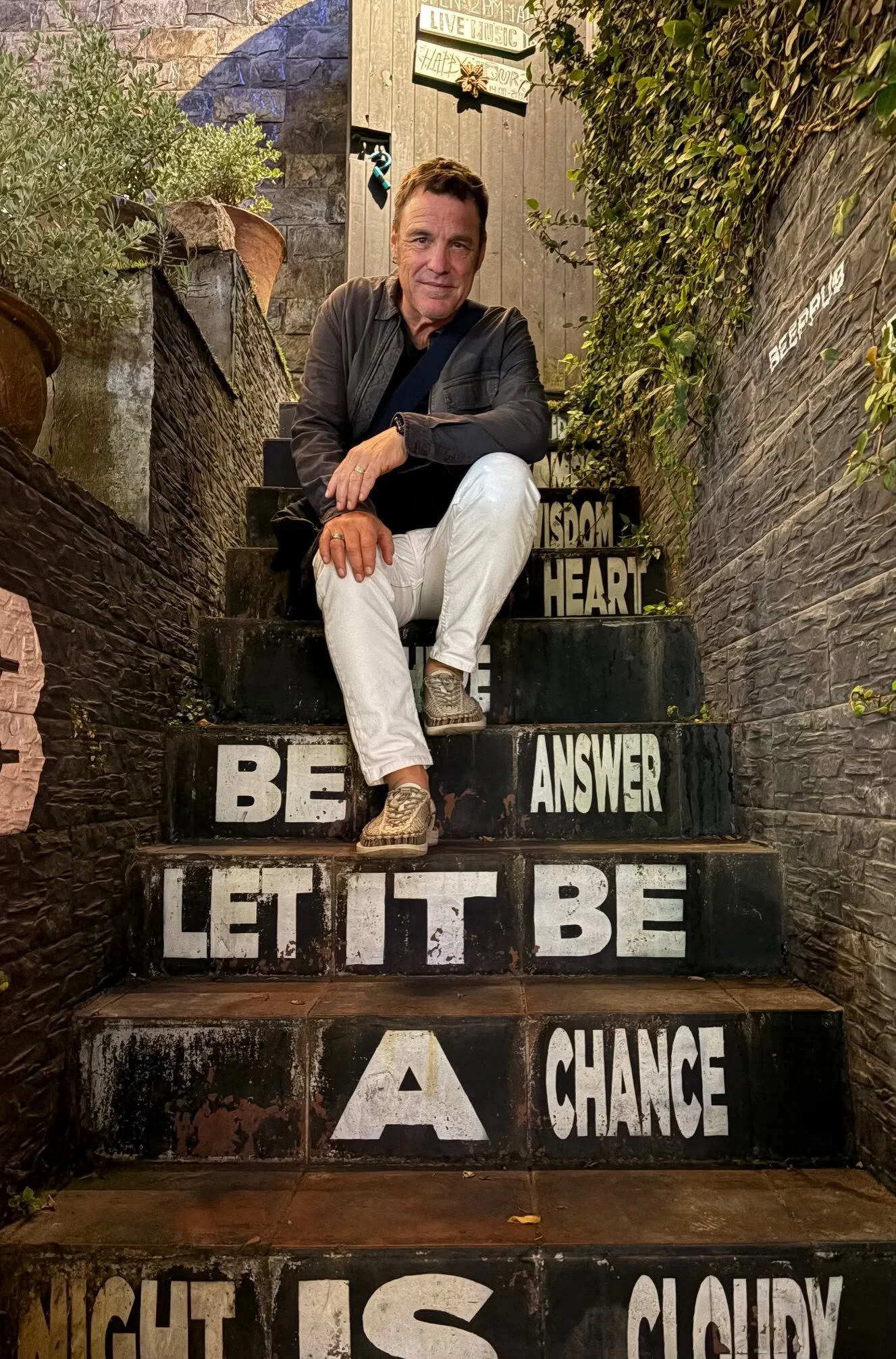
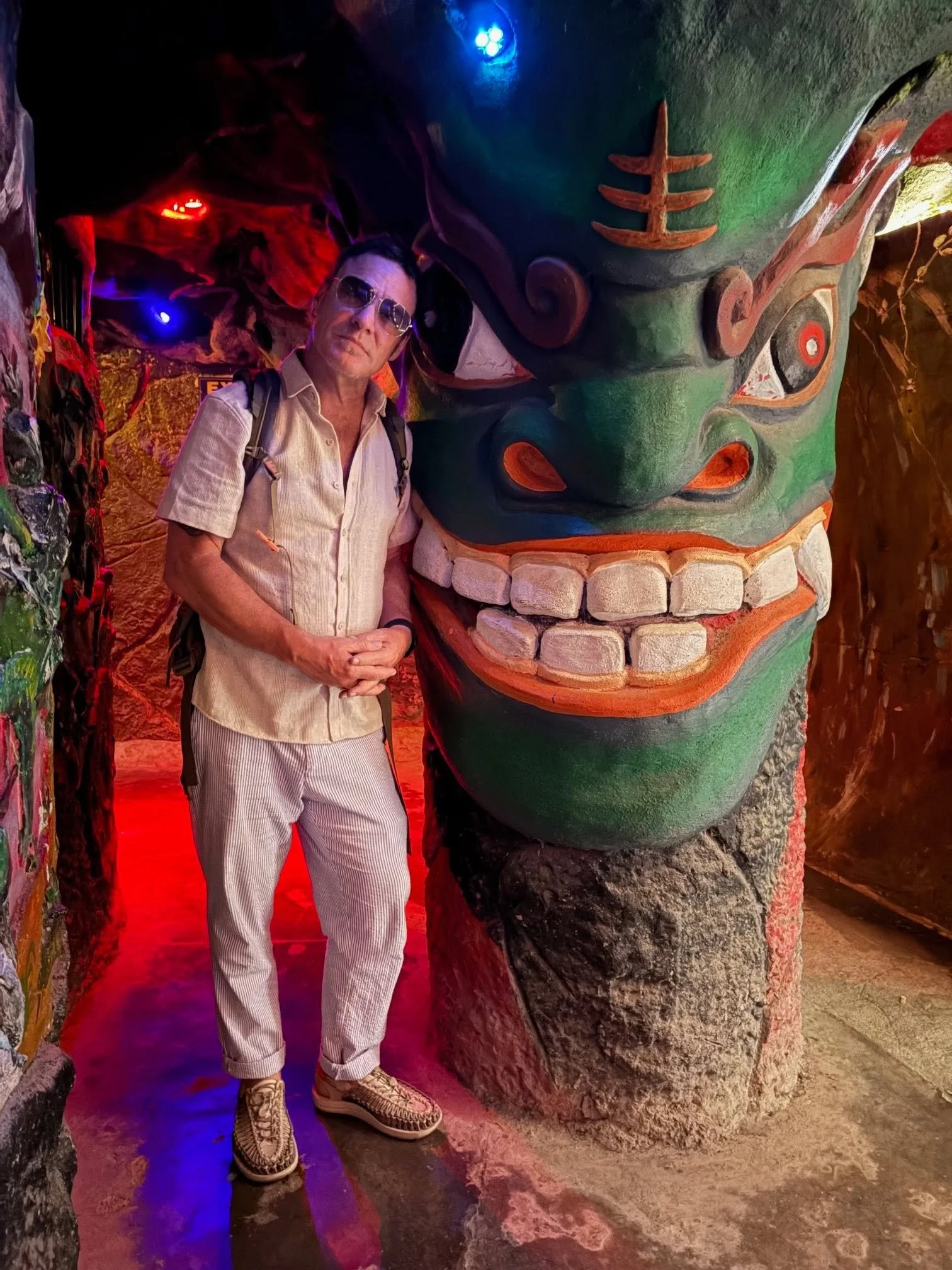
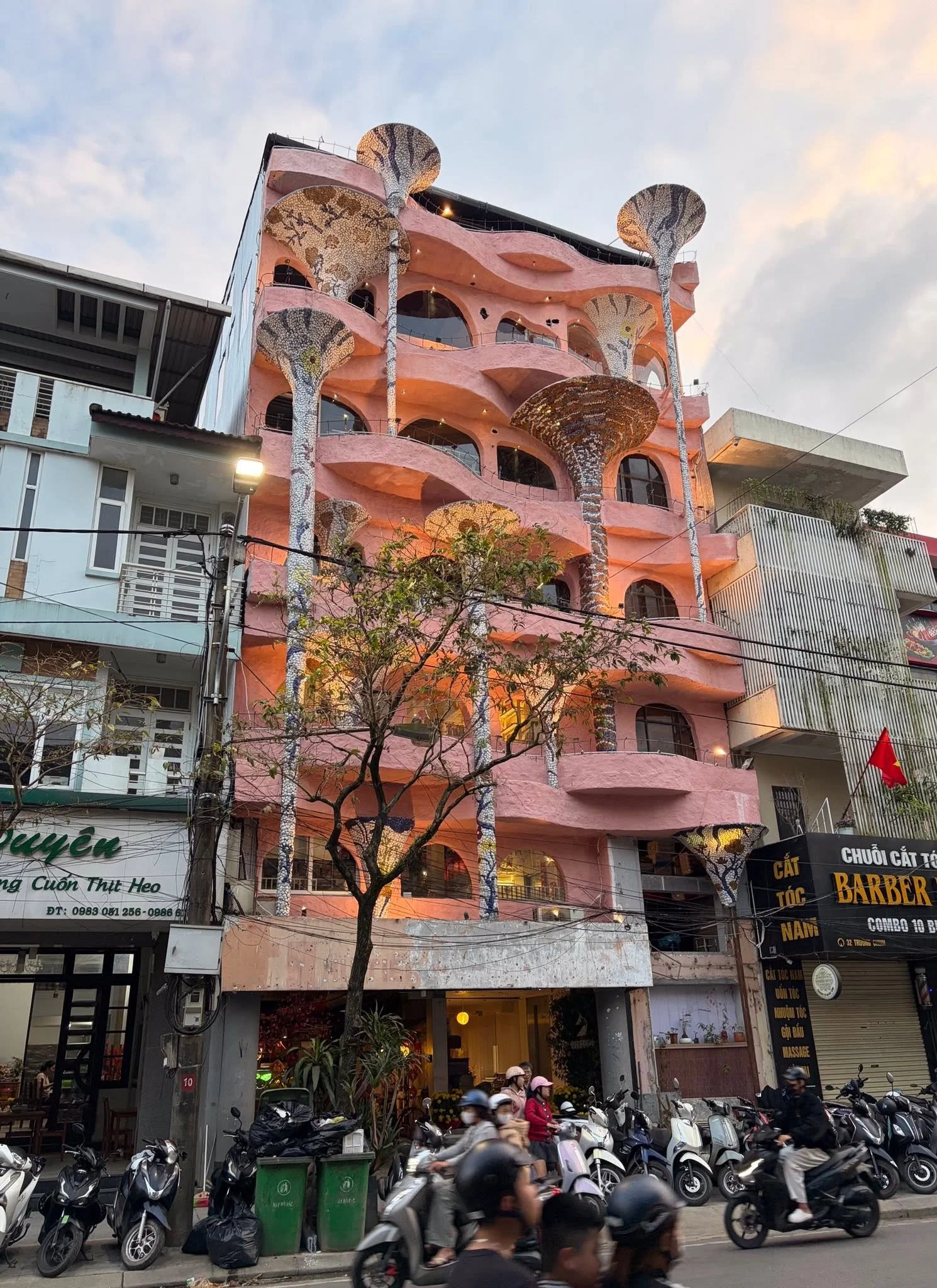
Including by Patti and I. There are some photogenic backdrops here in this colorful tourist playground. Incredibly, three of the most-popular attractions seem to have been built by the same deranged party, if hundreds of years apart and for radically different root purposes. The Hang Nga Crazy House (architectural expressionism) the Linh Phuoc Temple (straight-up Buddhist worship) and the aptly-named Maze Bar (alcohol abuse) share an unnerving architectural flavor, featuring riddlesome melting buildings, secret rooms, and ladder-like staircases climbing high into the forgotten uppermost reaches of the rafters. Borrowing heavily from Parc Guell, Casa Bonita and the Winchester Mystery House, there’s also a bit of Seuss, Dali, Tolkien and Escher tossed in to thicken the respective confounding batters. And to make the experience that much more unsafe. A vertigost’s bad dream, many passages are poorly lit and the patterned textures blend together, further limiting visibility. The ‘handrails’ on bridges several stories above the ground are at thigh-height. And at least at the Maze Bar, you are actually required to consume alcohol. You could never get insurance underwritten to operate attractions like these in the US.
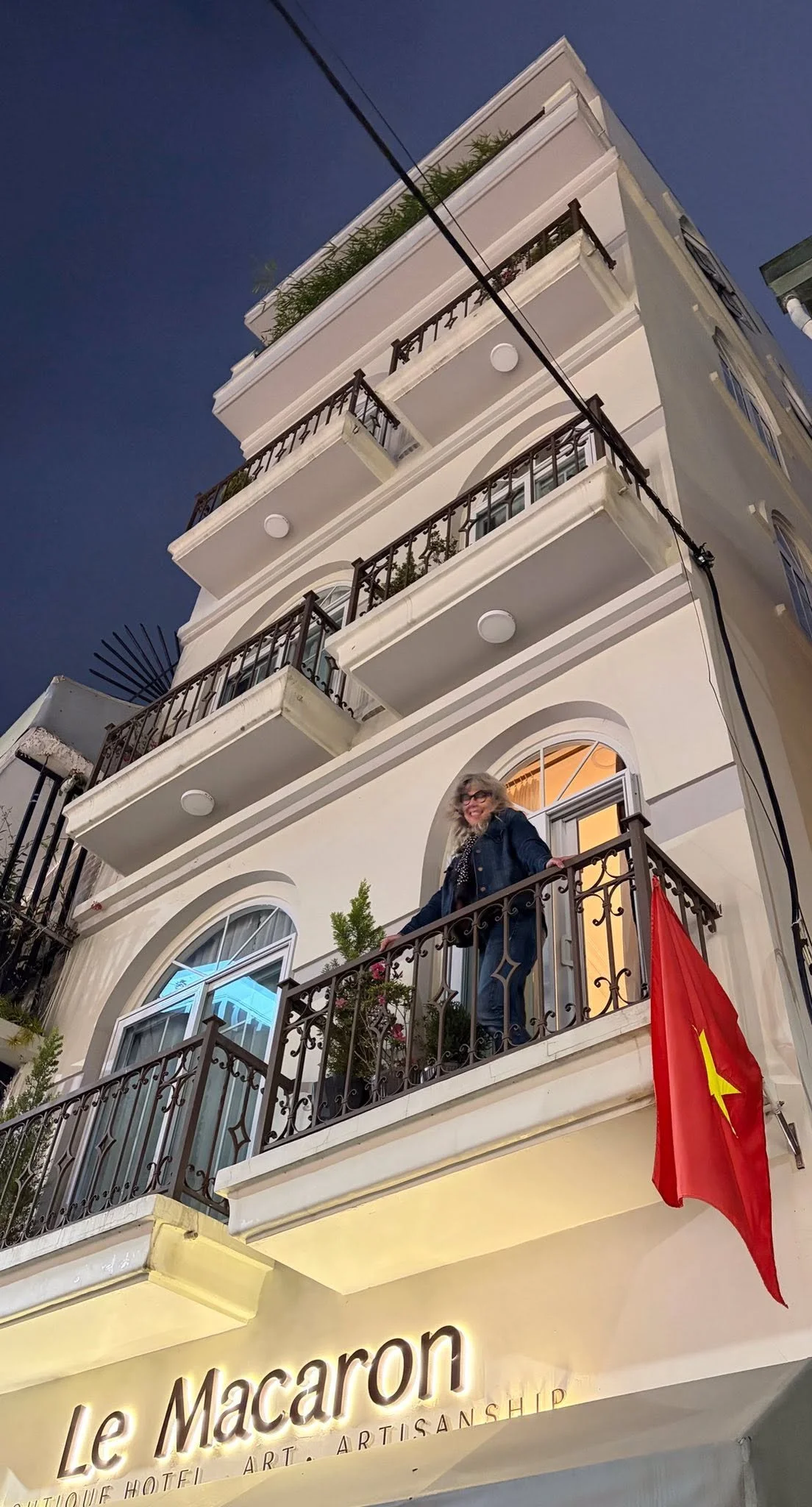
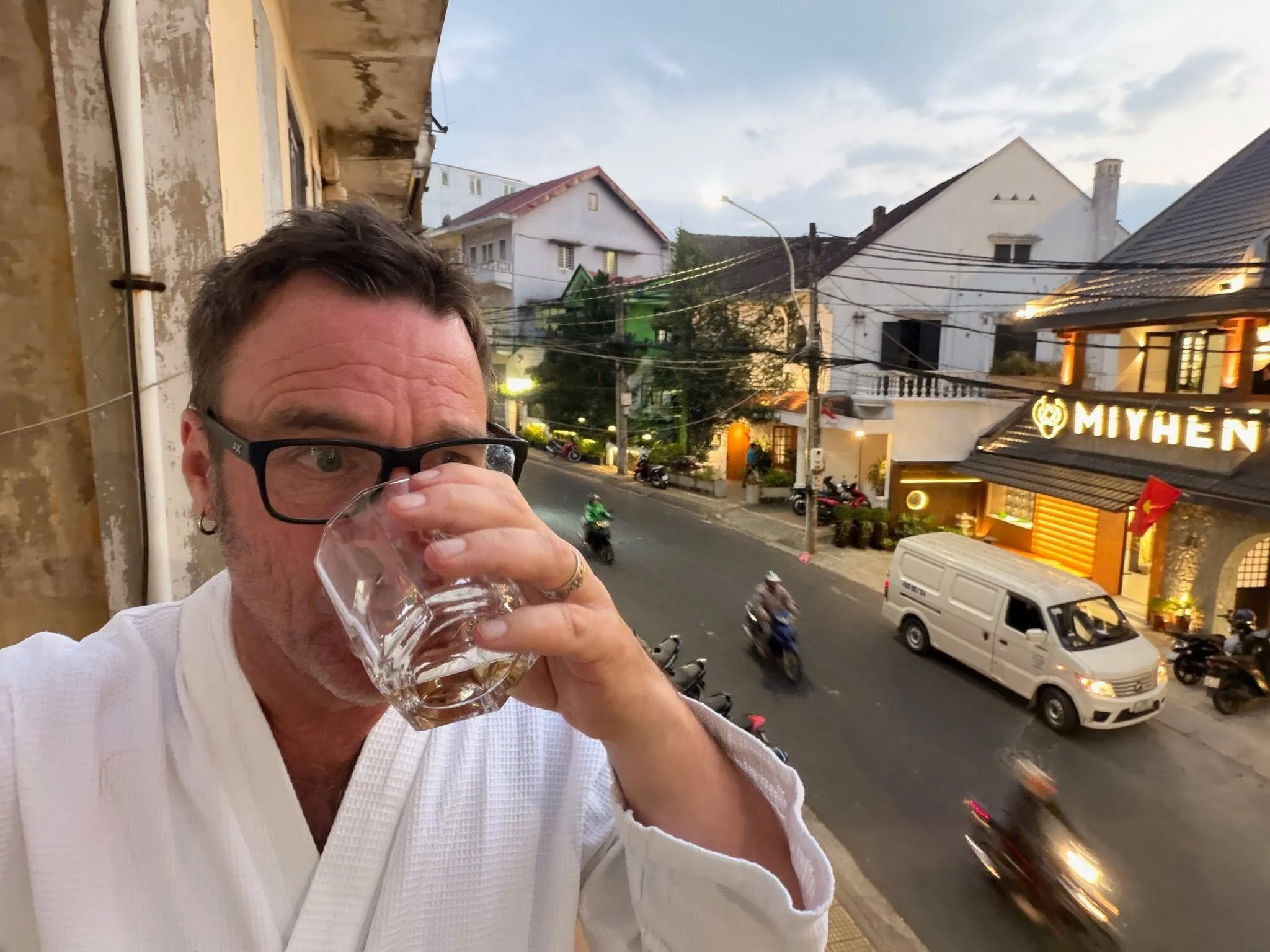
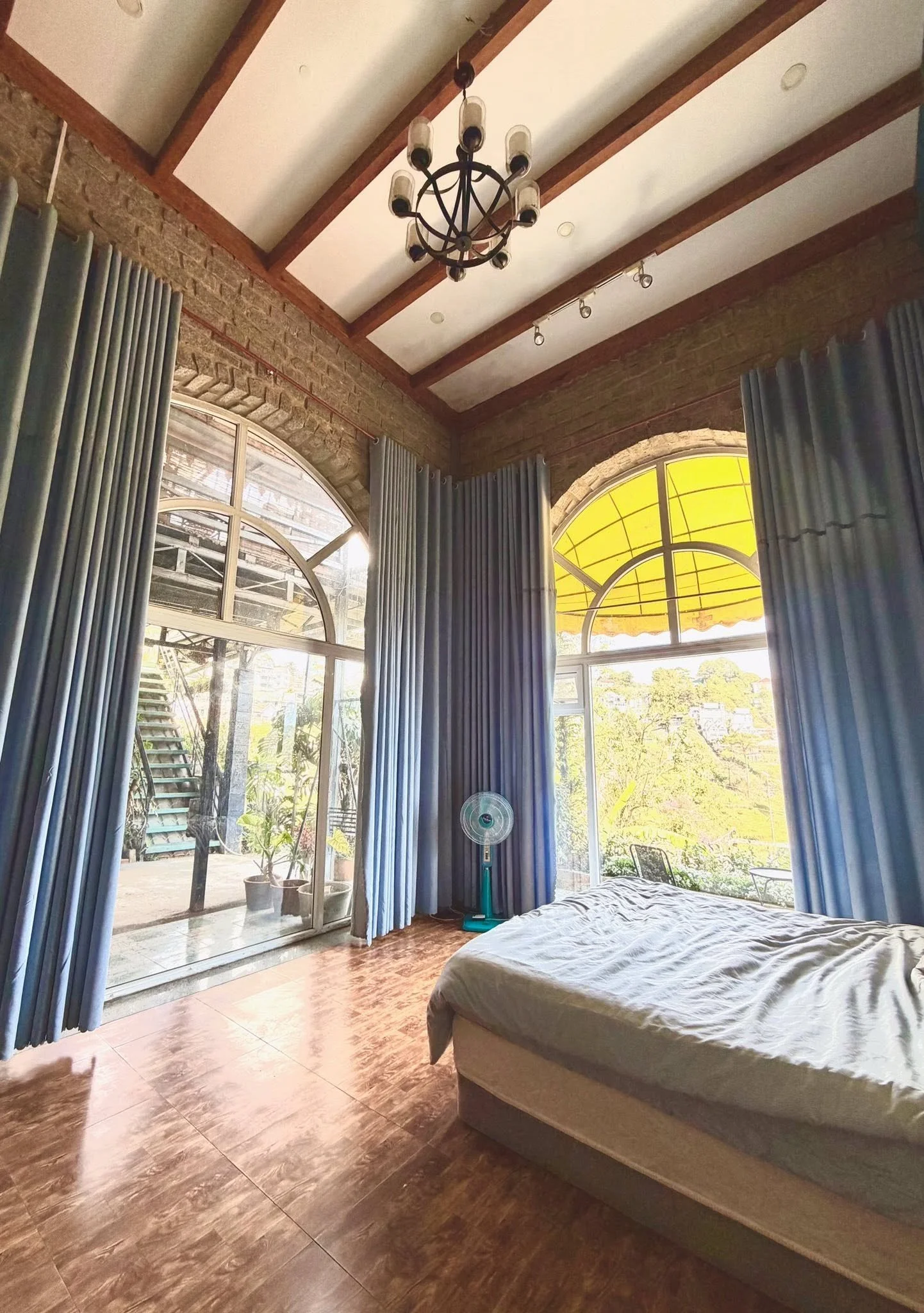
Just another of the many differences between here and home! I will say it was nice to have a hot shower with first-world water pressure in our second hotel here. Our first DaLat flop was a guest suite in the home of some friendly locals on the outskirts of town (think AirB in a 125-year-old French villa with 15’ stacked stone walls and 12’ arched windows). But checking into La Macaron downtown was like being welcomed to the 21st century with its separate stall shower and western threadcounts. After a week’s worth of loose fitting coldwater waterroom baths and lumpy beddings, Le Macaron was a delicious 36 hours of boutique luxury, a splurge at $40USD/night. We slept well, had some underpants washed, and got re-packed to fly into the sky on an airplane to the next town.
See you in Da Nang.

Vietnam 2026
Danang
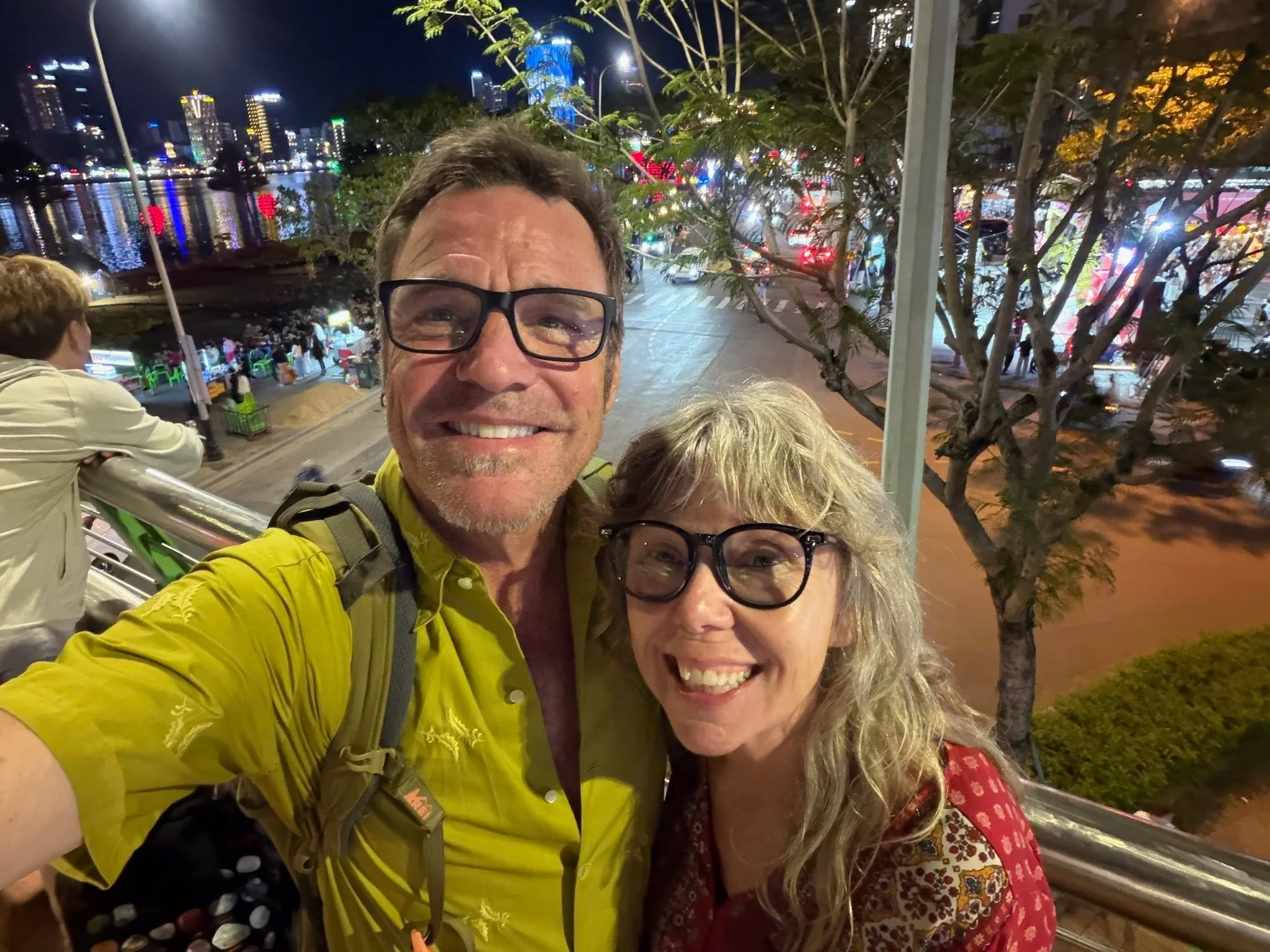
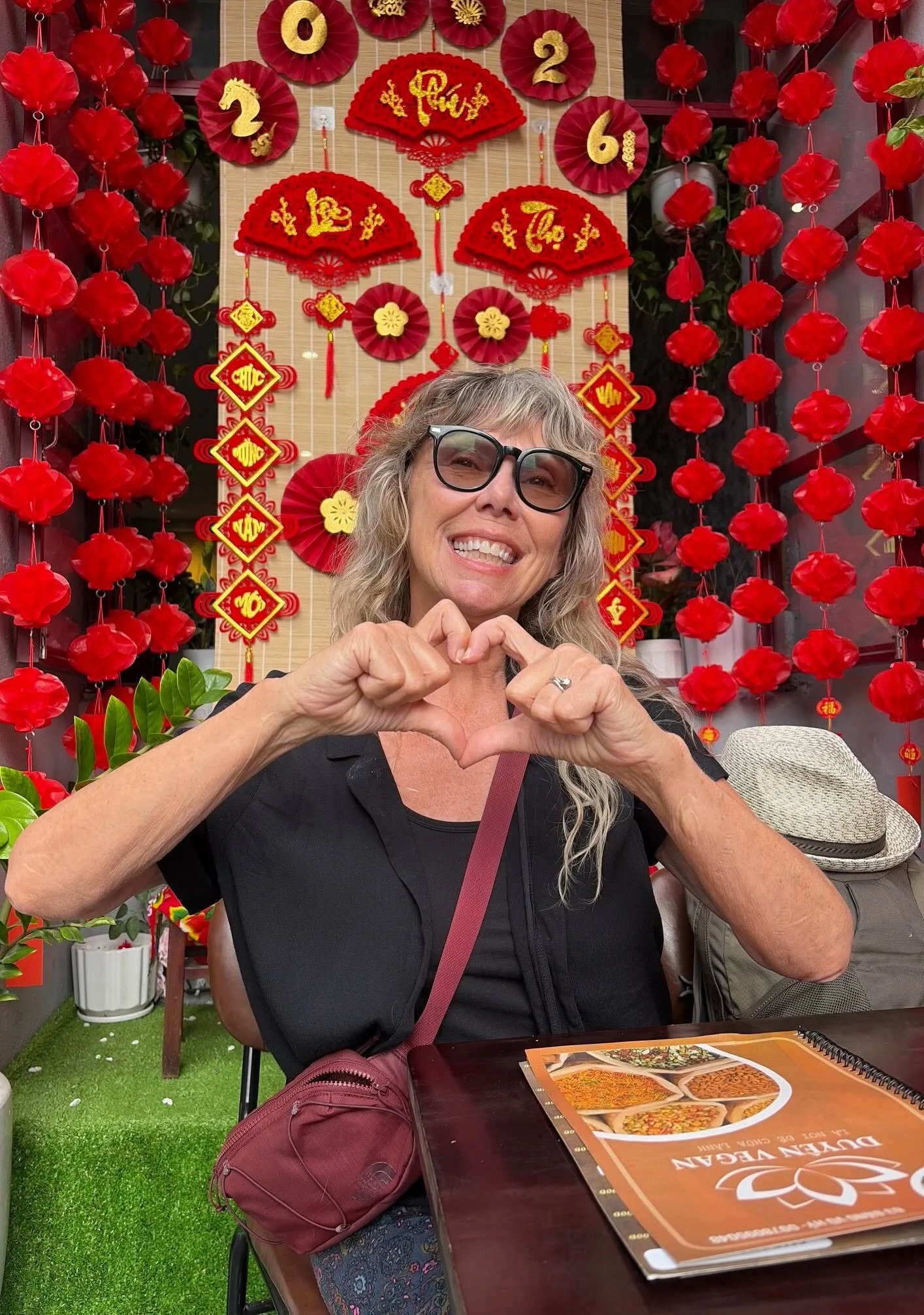
Chuc Mung Nam Moi means Happy New Year.
Patti has been offering Tet greetings to every waitress, bicycle rental agent, hotelier and Grab driver for a week. Even when they would cock their heads and regard her quizzically because she may errantly have said ‘Happy Gout Year’ or even ‘How many monkey live in you toilet now?’
But she kept wishing them Happy New Year, getting closer to perfect pronunciation with each attempt.
Language is so crazy. We all use it, though how (and how well) varies greatly. American Americans are largely monolingual, but most people in the rest of the world speak at least two languages— usually English and their own. It’s weird over-hearing Germans ordering Vietnamese coffee in English— but it’s definitely the dominant linguistic currency, not only here but in most of developed world.
It is said that learning a foreign language is the best thing you can do for your brain. And the difficulty of mastering a second language cannot be overstated. Mastering, hell— merely wishing someone a Happy New Year is hard enough. I personally am still working on THANK YOU, though I have gotten pretty good at BIA (beer). It’s like these Vietnamese have a different word for EVERYTHING…
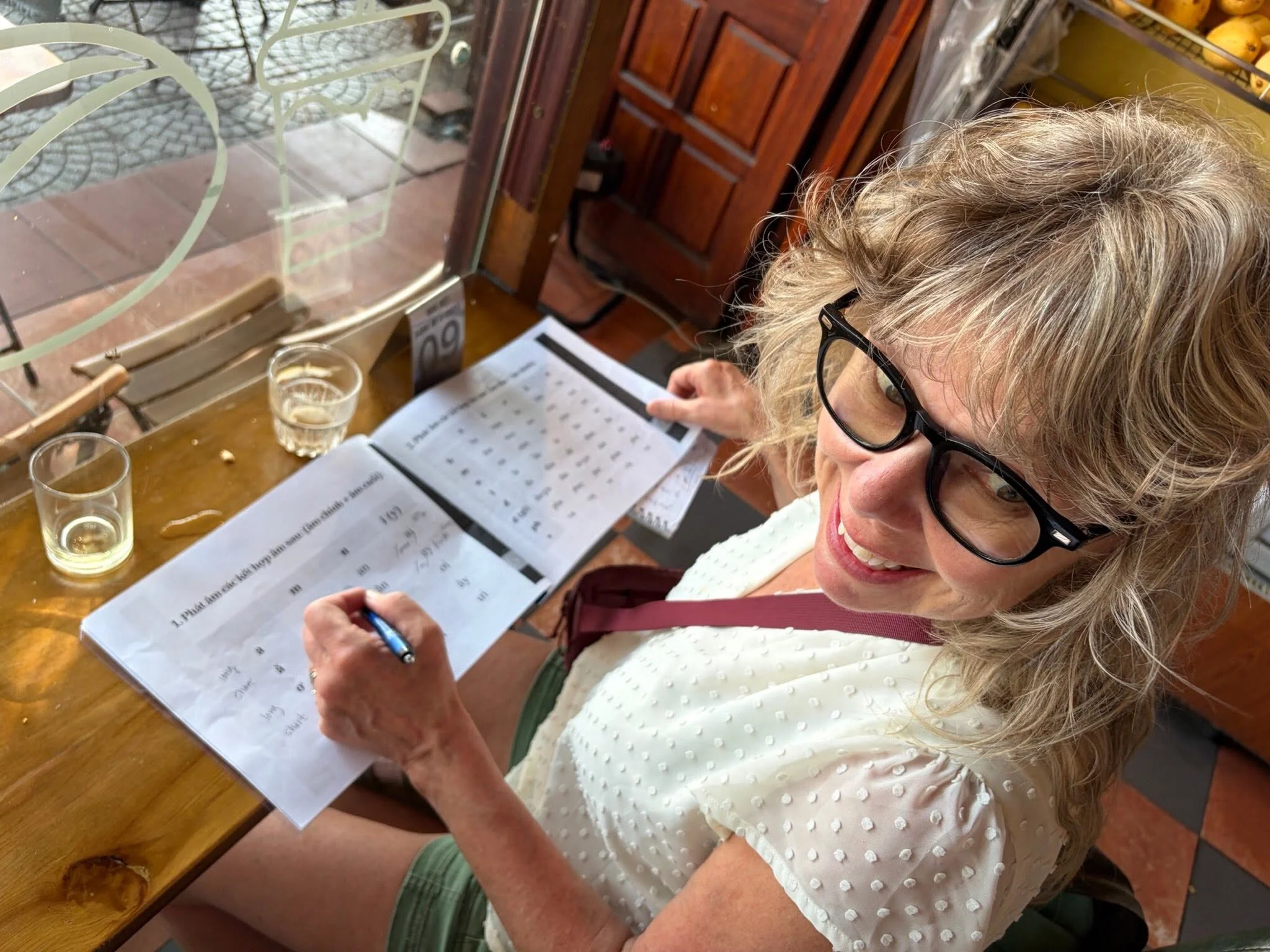
I have apologized to our teachers at the Go Vietnamese Language School for the regrettable condition of my dried-out American brain. I am doing some version of My Best, and also breaking out my most earnest smiles, which do count for something in the classroom as well as on the street. I think the teachers believe I am trying and don’t actively dislike me even if they do probably complain to their boyfriends at night about what a dolt I am.
It’s a different story for Patti. To be fair, it is kind of her job. She has been granted a sabbatical from her position of authority at an institution of higher learning, and her calling for the quarter is to study the language and culture of Vietnam. This encompasses more than ordering those delicious seafood pancakes and wishing strangers Happy New Year. She started working on Duolingo months before our departure and is also naturally comfortable in a classroom. She studies in the evenings and is generally much more focused on her goals than I am on mine. Let’s just say she has goals…
*******************************************************************
We arrived in Da Nang on the shore of the South China Sea on a Saturday afternoon, having flown from DaLat on an airplane. At first glance, Da Nang looked even more international (white) than DaLat had, after our motorcycle trip through the strikingly Vietnamese Mekong Delta.
And that is definitely the case. Da Nang is Vietnam’s third-largest city and it fancies itself an emerging hub of tech, tourism and finance. There’s a lot of development going on here, with lots of cranes on the skyline and wheelbarrows on the sidewalks. A great example was right on the other side of the wall from our bed at the Livie Hotel, where an elderly couple was building a 4-story apartment building with a hammer and a chisel. The banging began before 8am every morning and on day 4, we told the unimaginably pleasant and accommodating Korean girls at the front desk that if they could not re-room us, we would need to check out at once. They called our bluff with a deep bow, apologizing profusely for not having any rooms available on the opposite side of the building. They promised to refund the unused balance of our pre-paid 2-week reservation. And out the door we went.
As it turned out, it was not particularly difficult to find a replacement flop. Even in a bustling vacation beach town during the week before Tet—which would be like booking a room on a day’s notice for Christmas week in Leavenworth. Or Malibu. I don’t know— I’ve totally lost track. I can’t tell where we are or what time of the year it is. It’s 78 degrees and humid but there are Christmas trees in the hotel lobbies and cumquat tree lots along the roadsides.
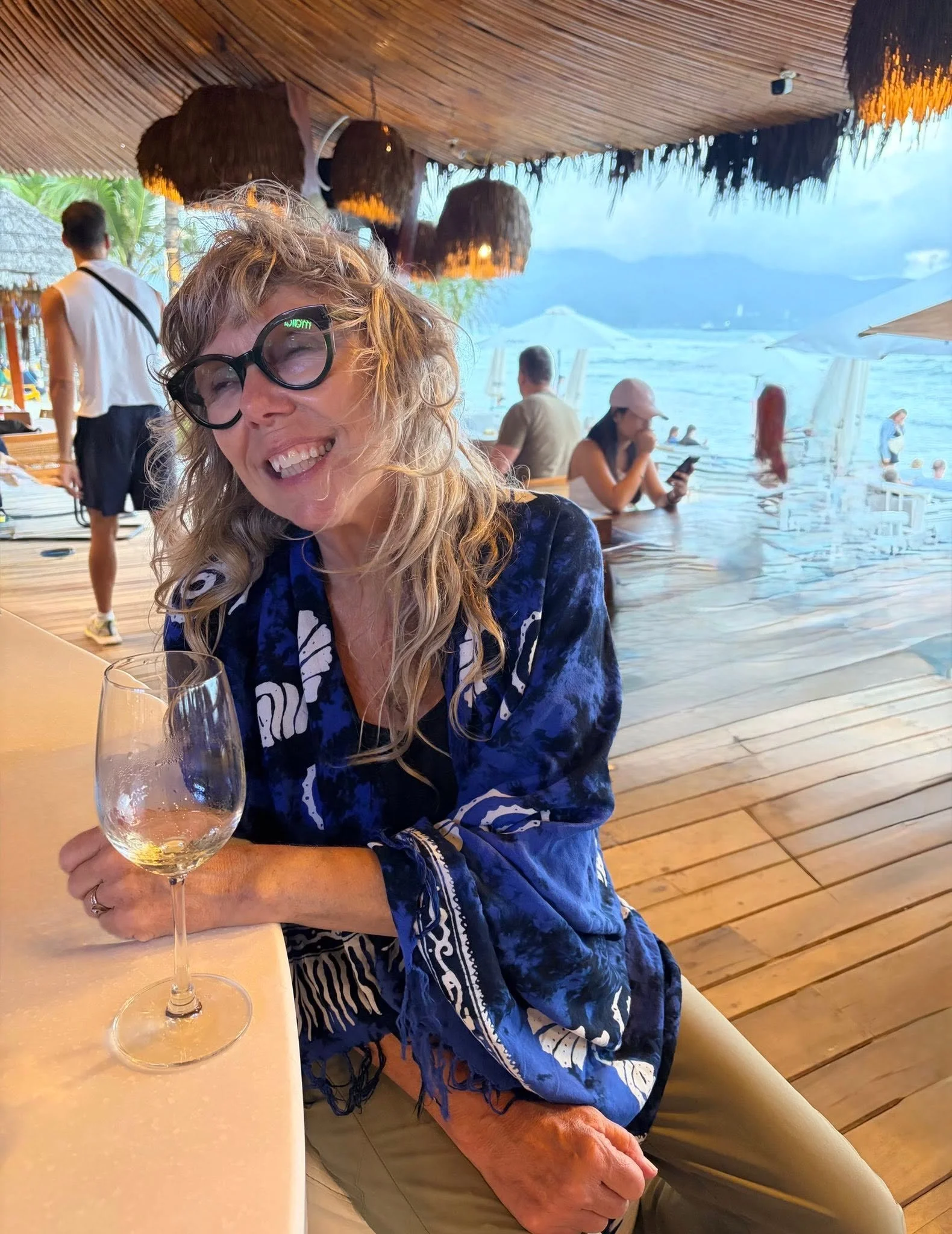
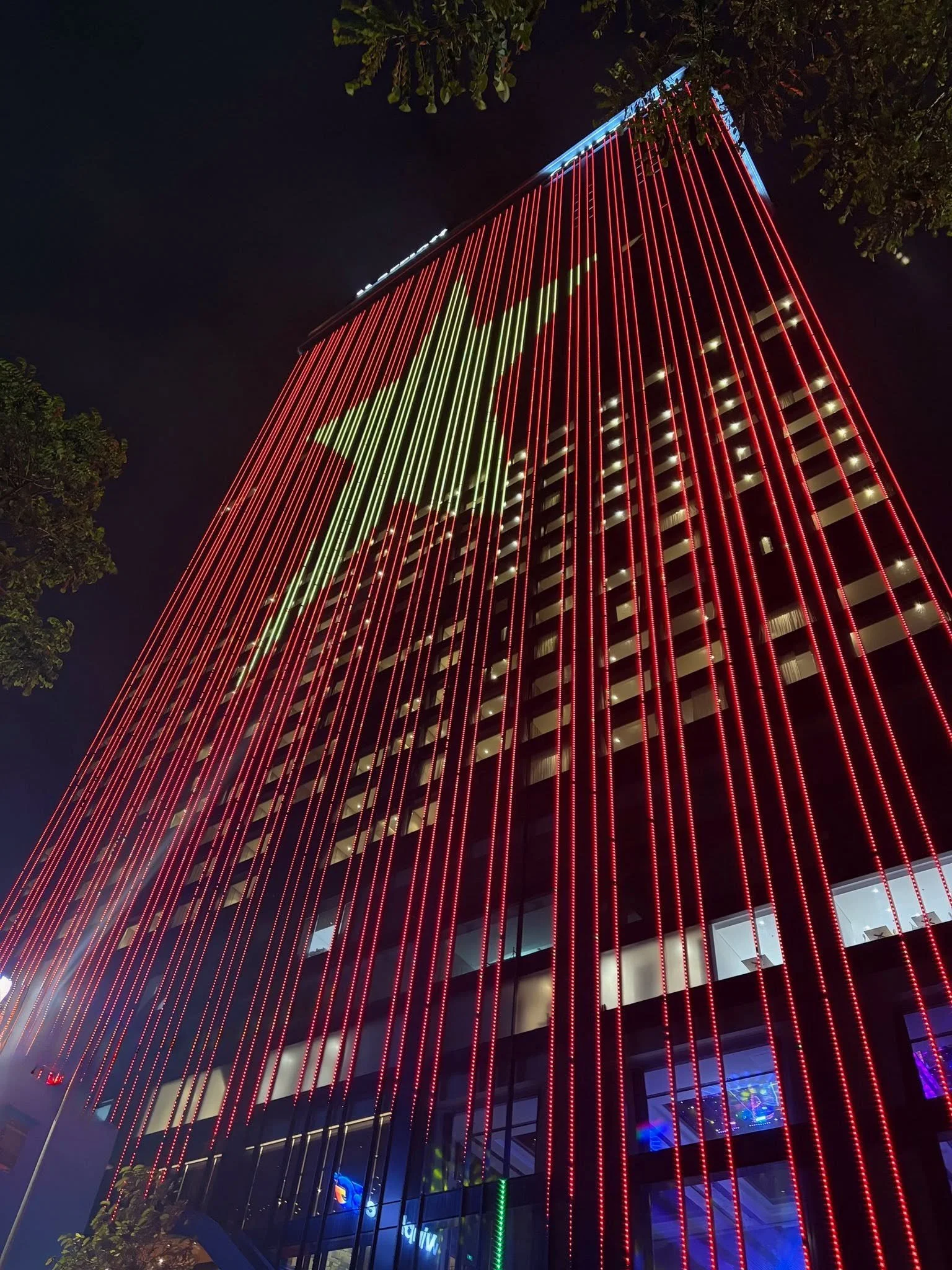
Tet is the Vietnamese observance of Lunar New Year. The celebration is much like the western Christmas holiday season in that it lasts a month and involves much gifting, decorating, travel, fireworks and downtime with family. Also food & drink. And karaoke.
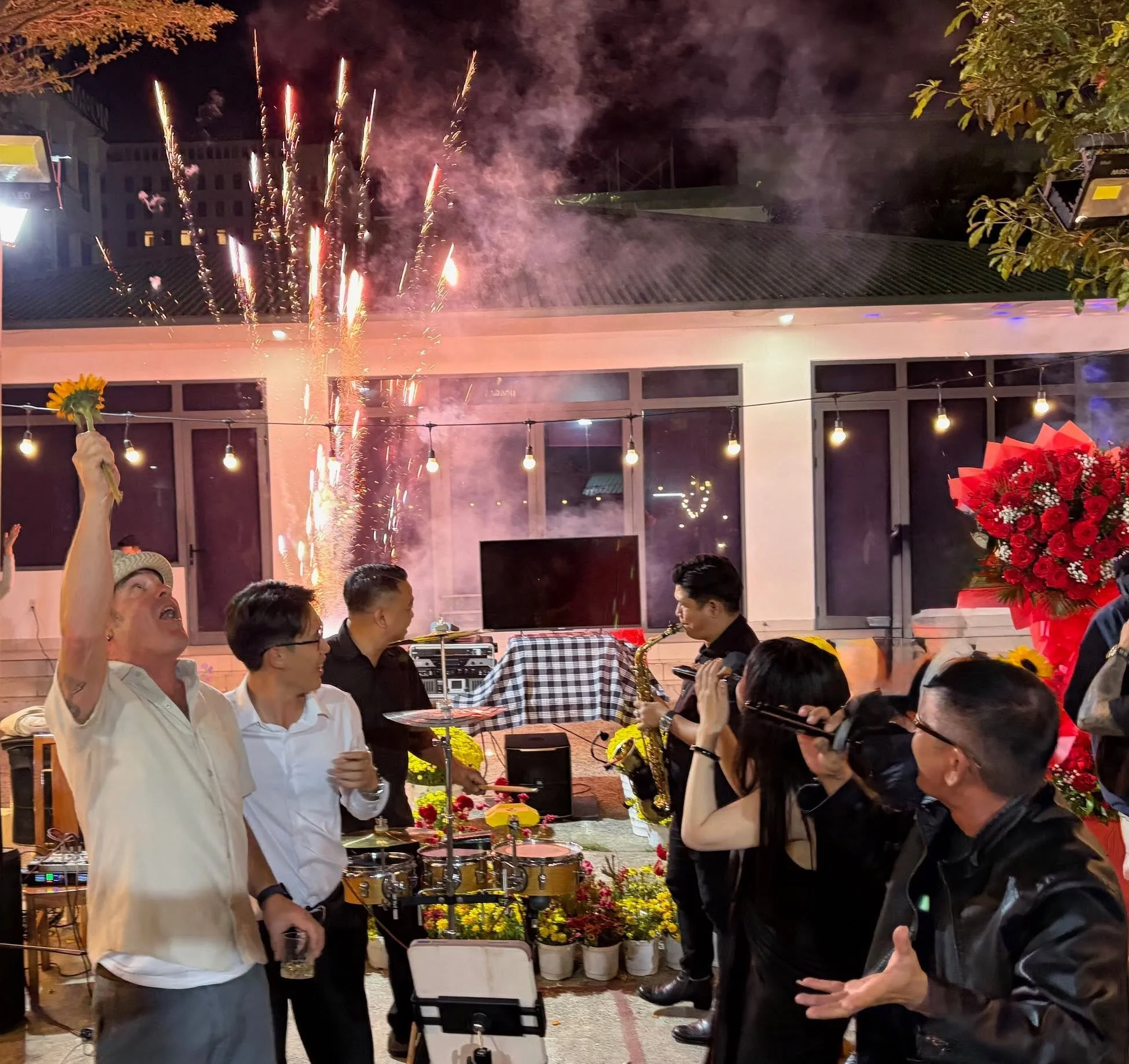
On the third night in our second Da Nang hotel (the homey Oasis Apartments further downtown from the bangin’ Livie) Patti heard music coming from the street five stories below. We’d just gotten home from dinner at Alice’s Restaurant and were stuffed and pretty much ready for beddy-go, even though it was before 9pm. We’d been hearing a lot of profoundly bad singing throughout Da Nang all week, including from a locals-only karaoke yard across the street from the Oasis, on the corner by the bus barn. But the sound that caught Patti’s ear this night was novel— it sounded like a saxophone.
There aren’t typically a lot of reeds in Vietnamese music, and this was definitely a tenor sax. Plus it sounded live. We figured we’d better check it out, so we got re-dressed and took the elevator to the street. Circling the block, we found an entrance to the large fenced lot and stepped inside the gate, sidling up to a palm tree to get a discrete look at what was going on. From a distance, the party at the center of the courtyard looked like every other pre-Tet neighborhood gathering we’d been walking past all week. Several oilcloth-covered card tables were pushed together, surrounded by plastic chairs and stools. The tables were piled high with food, drink, candles and incense and at the head of the gathering was an elder (usually male) clutching a wireless microphone in one hand and a glass of beer in the other, eyes closed and singing badly through a gigantic sound system overdriven to ribbons.
It didn’t take long for a representative of this party to notice us lurking the perimeter. He strode directly to us with a wide smile and in excellent English asked our names and invited us in. Before we could say ‘oh, we were merely curious and don’t wish to intrude’ we were seated at the table with a plate of deep-fried liver rolls & barbecued chicken feet and several beers each. As it turns out, we had stumbled onto a year-end company party for a developer planning a 36-story $300M condo tower on the site. The mostly male employees literally lined up to enthusiastically shake our hands and tell us in varying levels of English how happy they were that we had joined their party. It didn’t matter who we were or where we were from— they were simply tickled to have guests, because that’s the mood the Vietnamese are generally in this time of year.
The owner of the company insisted we join him at his table at the very front, and in the worst English of his entire crew told us repeatedly just how stoked out of his fucking mind he was that we were there.
And then of course, it was our turn to sing.
Patti and I had known this moment would arrive eventually and had agreed in advance that the most internationally-known (if not necessarily loved) popular song of all times was of course Hotel California.
The band pulled up the charts and a pair of Italians who had slithered in joined us in front for a pretty serviceable version of the punchline hit. The crowd lost its mind and no one yelled ‘fuck the Eagles’ in any language.
It was the experience we’d been waiting a month for. We’d come close in a few venues with glimpses into the shadowy interior of Vietnam, the mysterious unlit tiled rooms behind the storefronts. But until this banquet we’d only been voyeurs. Now, exchanging farewell hugs, handshakes and high-fives with our new friends for life, we felt like we’d broken through to the other side—arriving as participants. We weren’t exactly naturalized and we sure as heck were not going to be fluent by the time our Vietnamese classes ended. But we’d seen the actual vision and done more than simply entertain it as an agreeable possibility. We’d survived a company Christmas party and were ready to pop the cork on Tet.
It officially starts in the morning, and we are off to Hoi An with the light to dig it to the very fullest.
Chuc Mung Nam Moi…
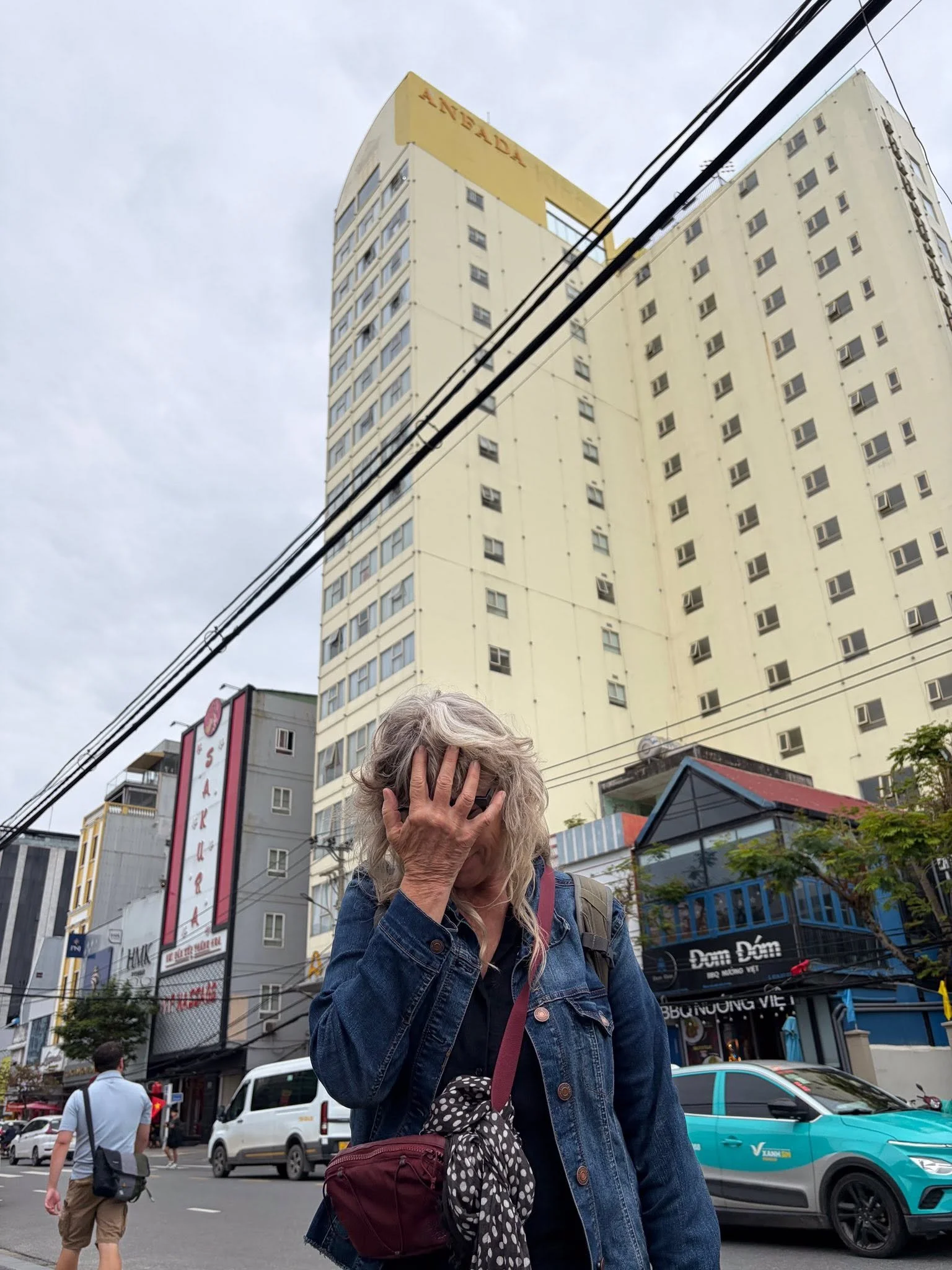
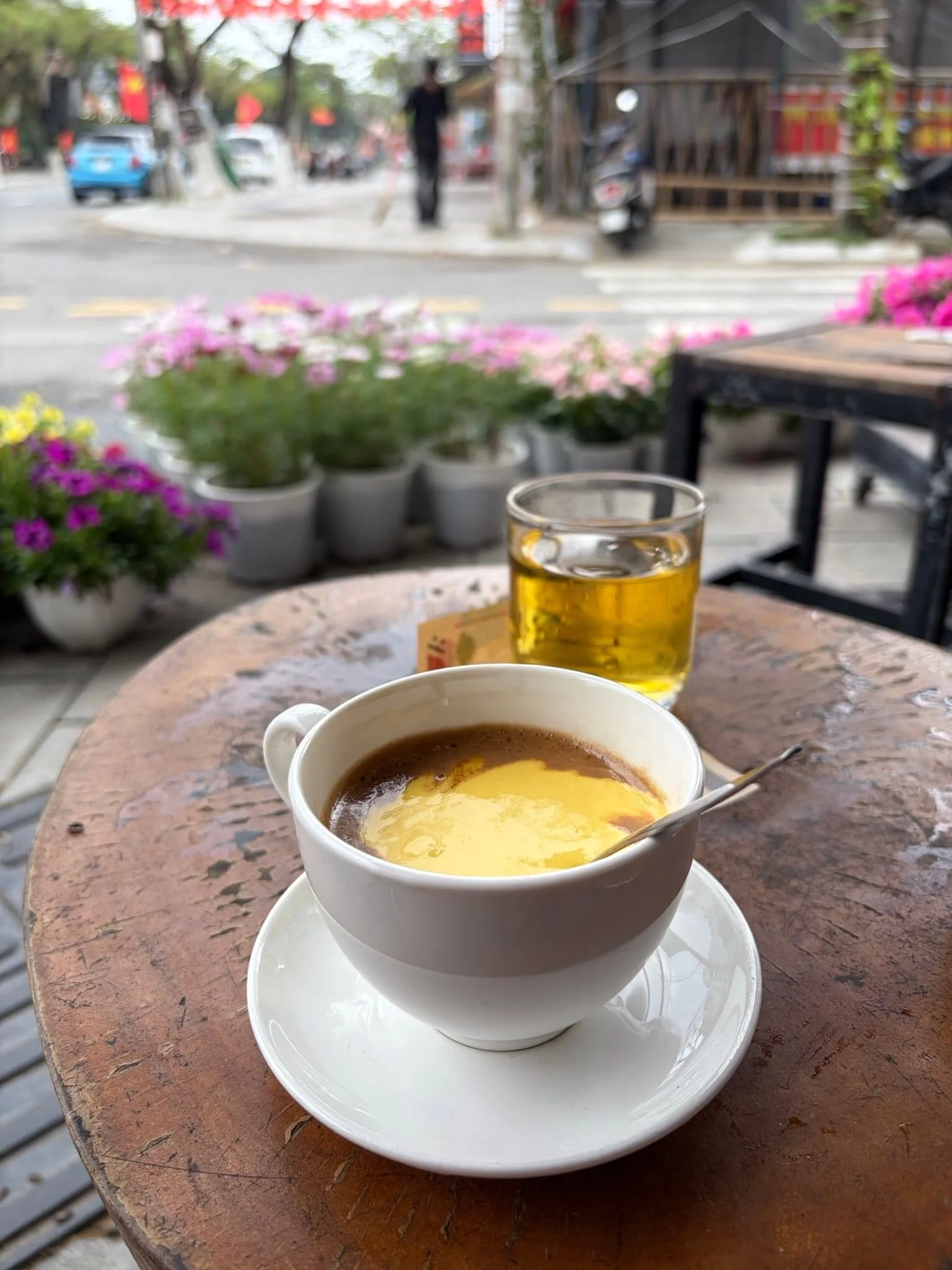
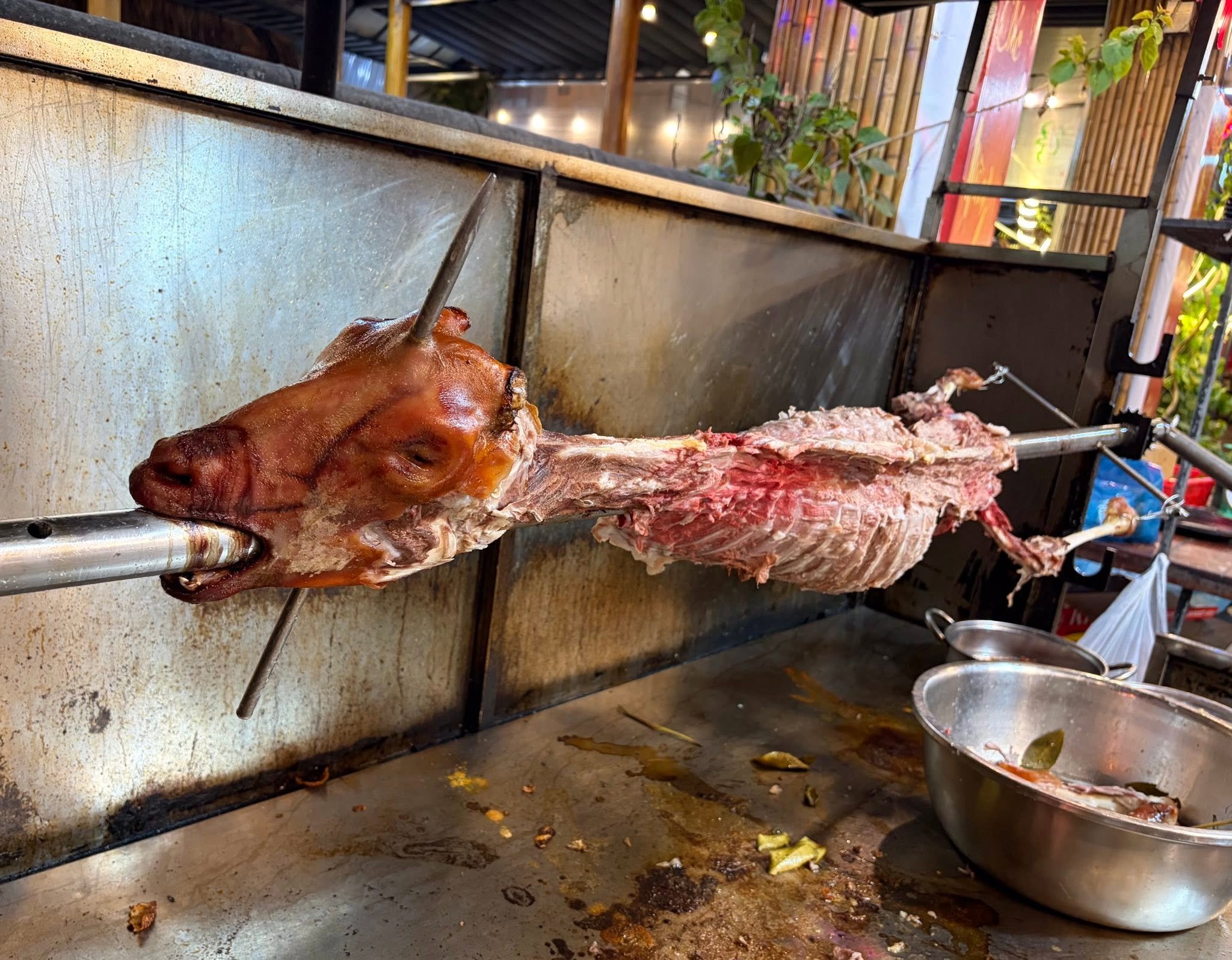
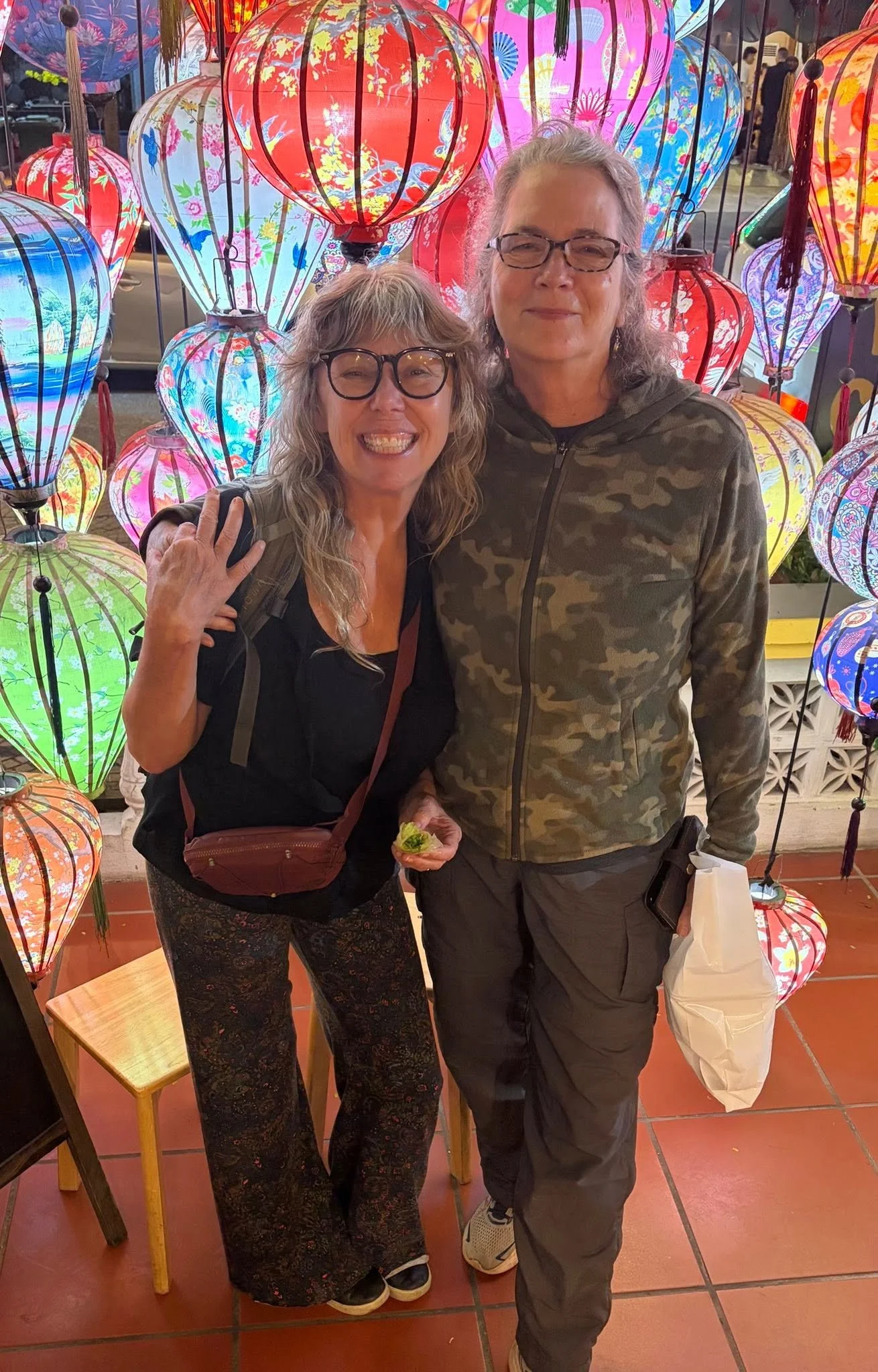

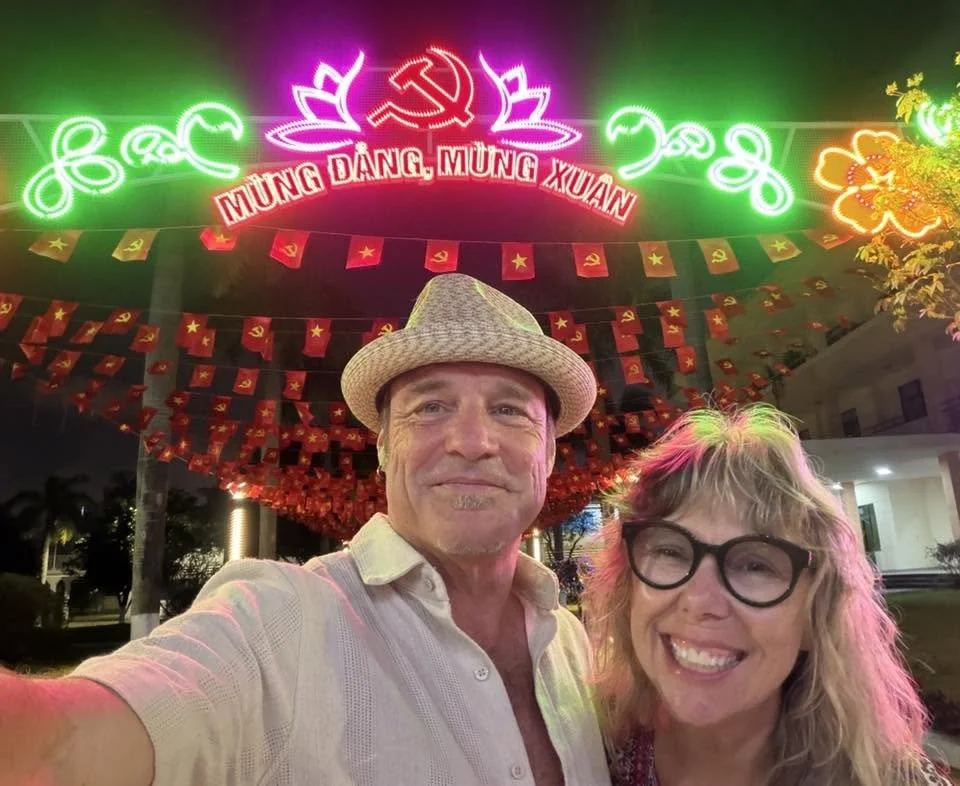
Vietnam 2026
Tet 2026
I met an Ong from Dong Hoi City and
He was headed for
Marble Mountain and some
Homemade Bun Mam Nem
From Son Doong Cave the Co’s are travelin’ down
To Hoi An’s sunny shores
From Hanoi clear down to Saigon town
The traffic it will slow you down
But there’s no place like home
for Tet…
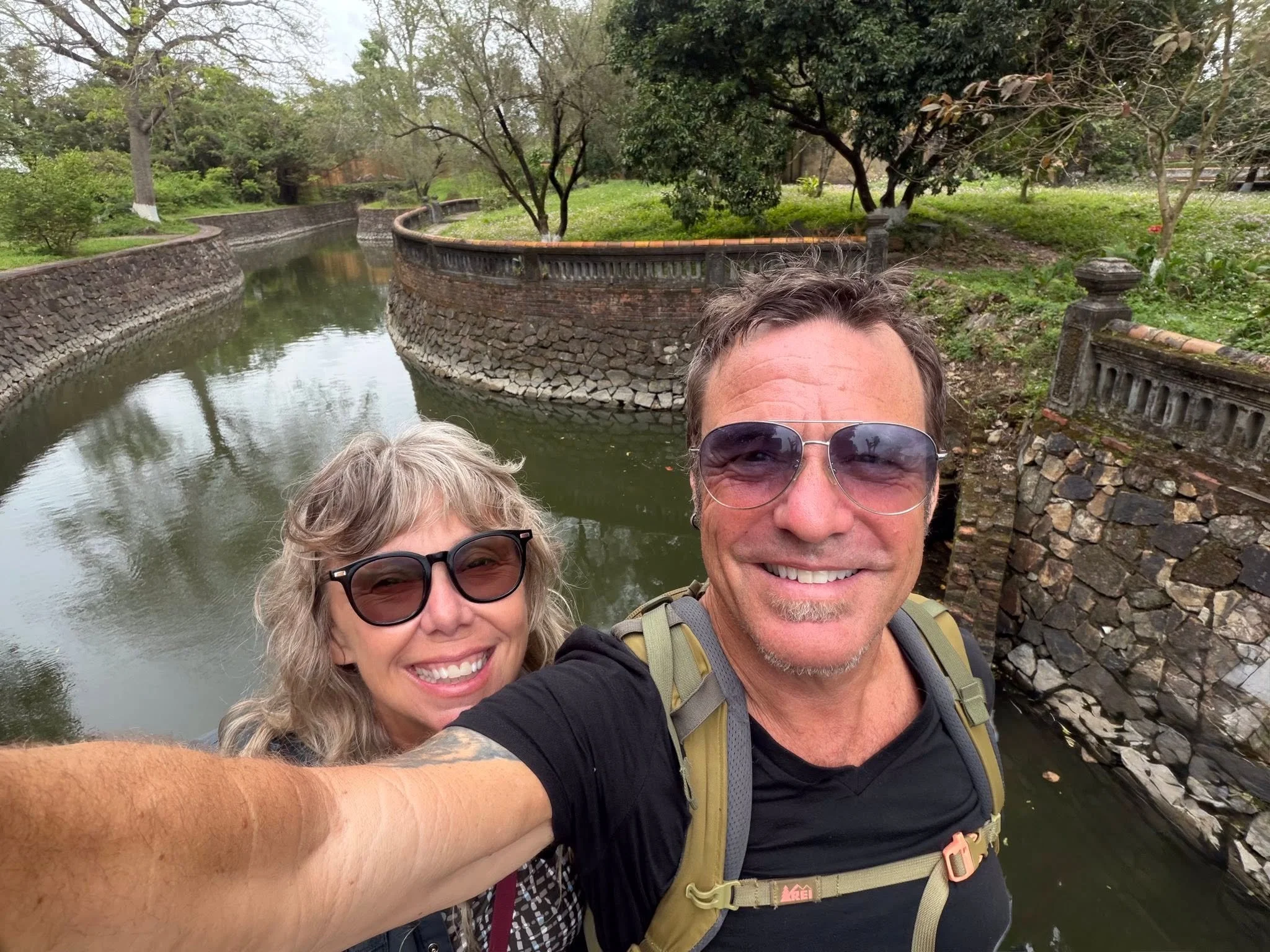
It has been such a thrilling treat to be in Vietnam for this colorful celebration! Imagine landing in the US on December 10 without understanding why everyone has LED lights on their fences and pine trees on the tops of their cars and why the same songs seem to be playing in all the stores. A couple of bearded dudes keep showing up— one in red and the other is always barefoot and you’re not sure if they’re different spins on the same guy or if they’re rivals or what. Everyone seems busy yet happy and people keep greeting you in a code that doesn’t really translate on Google.
That’s like Tet.
It’s rich & complex, like a lot of stuff in Vietnam. We knew before coming here that Tet is like Christmas and New Years and Easter all rolled into one. We understood it to be the observance of the start of the Lunar New Year and that is lasts a month. We were prepared for a crescendo of celebration and commerce to be followed by a quiet period during which we might not be able to get a ride or a sandwich.
But as it turns out, there’s a lot more to Tet.
To grasp the concept more completely, you need to first understand the religious landscape of Vietnam. If anyone does in fact understand the religious landscape of Vietnam, I would appreciate being filled in!
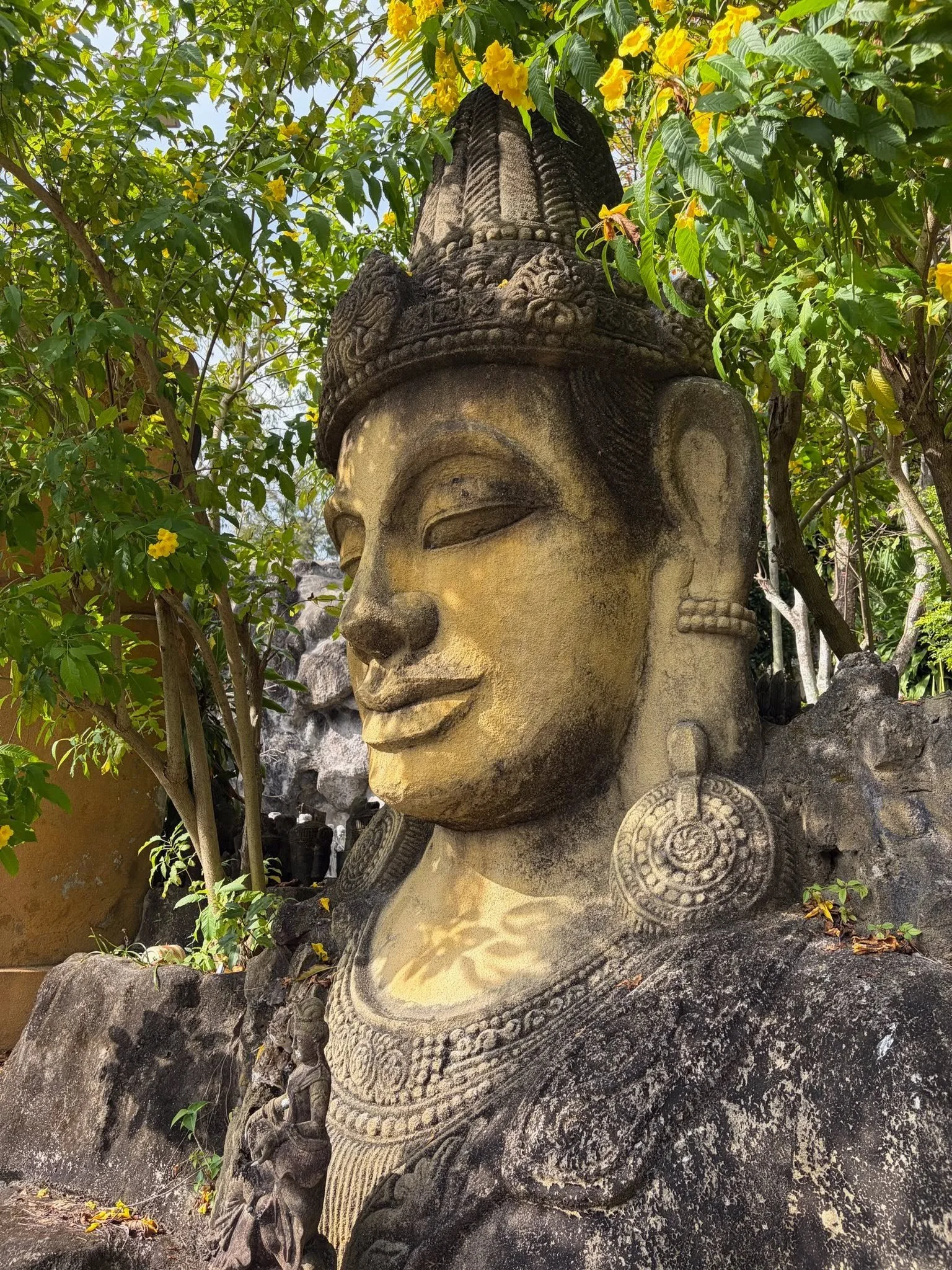
With temples and pagodas and skyscraping Buddhas everywhere, you’d think that Vietnam is a very religious place. But the fact is that 4 out of 5 Vietnamese identify as atheist or at least non-religious. The Buddhisty icons and imagery (and practice) are everywhere—but the most widely-claimed organized religion is actually Christianity at less than 20% of the population.
It’s awkward. For centuries, Southeast Asia had a perfectly good Buddhist swing going, and then the French and Portuguese showed up with their bro Jesus during the 17th century and now shit’s all fucked up.
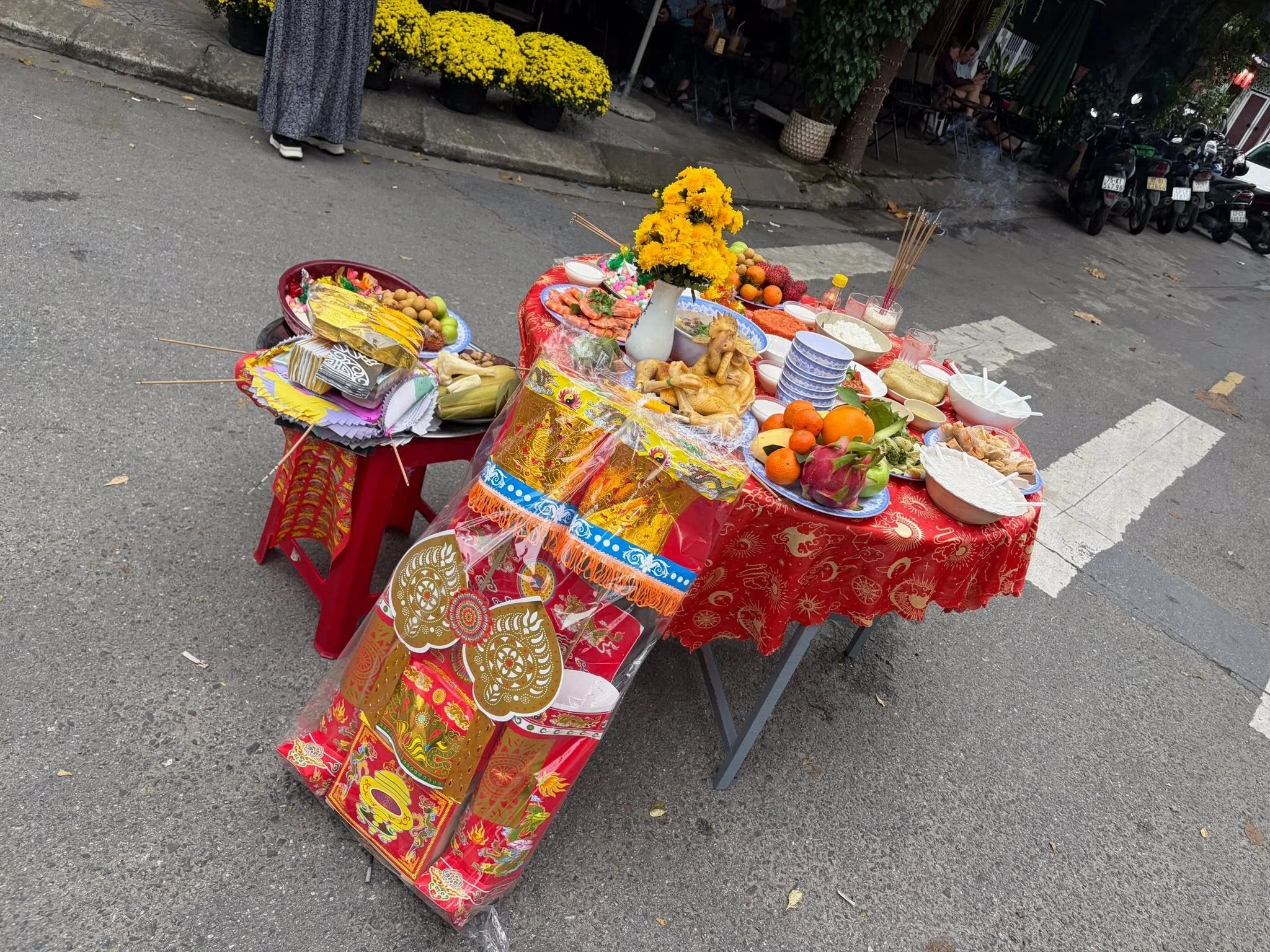
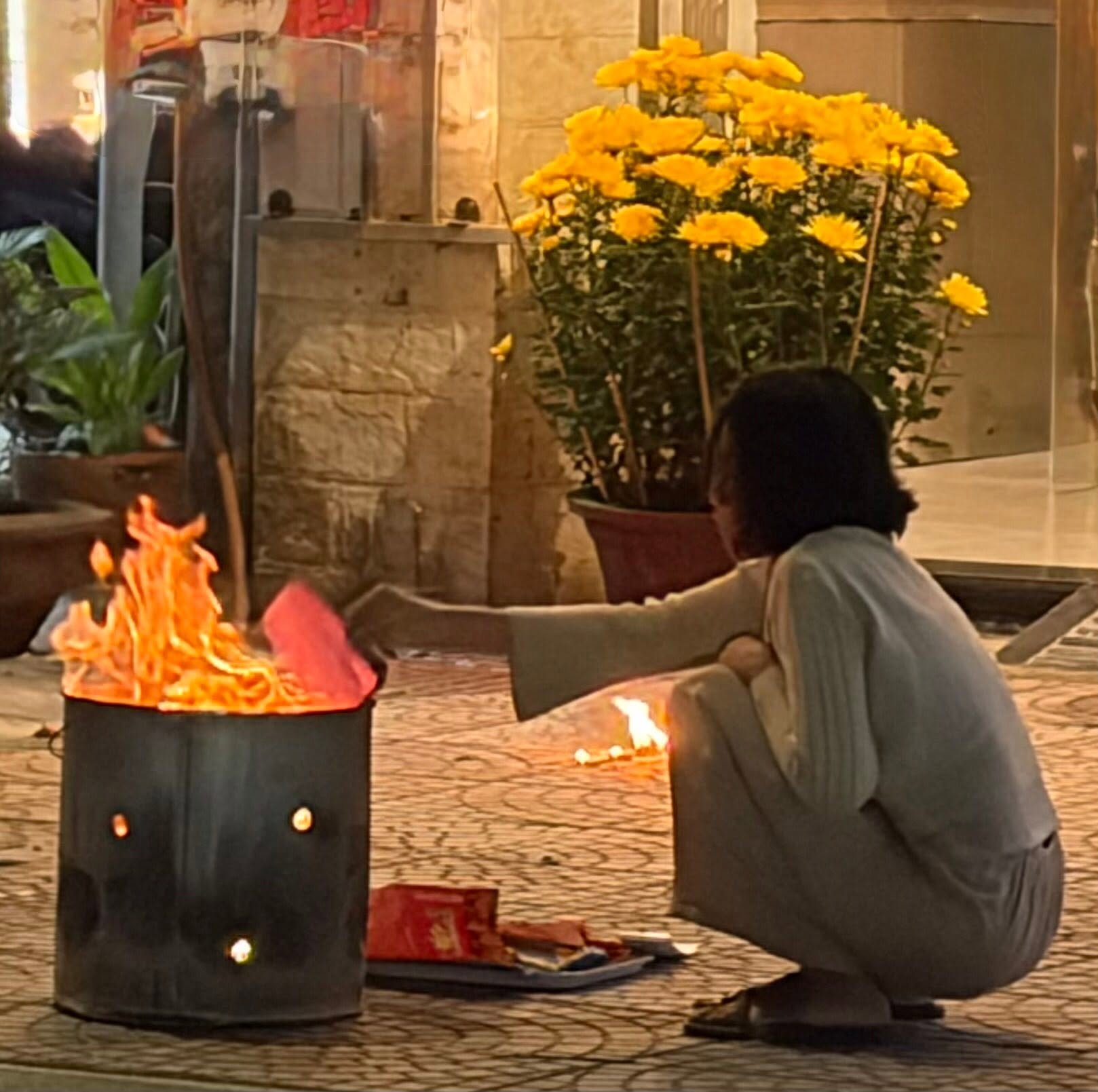
Not for the Vietnamese themselves— more just for busybody foreigner bloggers trying to figure out who’s in charge religiously. In the west, we have a very ‘my god can beat up your god’ approach to religion. Not so here. Best I can tell, folks generally worship ancestry, luck, and ceremony for ceremony’s sake. You don’t really need a proper God to burn incense or make a remembrance to your deceased grandparents. You don’t need dogma to pray for prosperity in the coming year. You just need the incense and some candles, a few energy drinks— maybe some cigarettes if grandpa smoked.
And of course he did! Every Vietnamese man over the age of 14 smokes. Not the ladies, at least not in public. But the men, they smoke tough.
******************************************************************
We arrived in Hoi An on Saturday afternoon via Grab ride from Da Nang. We’d heard Hoi An was ‘over-run’ with foreigners, particularly Americans. We were somewhat apprehensive about the leg, despite the fact that every driver or waitress had swooned when we said we would be in Hoi An for peak Tet. Hoi An with its ancient quarter and mad market. Hoi An with its canals and lamplit gondolas. Hoi An with its tailors and cobblers and disco beaches.
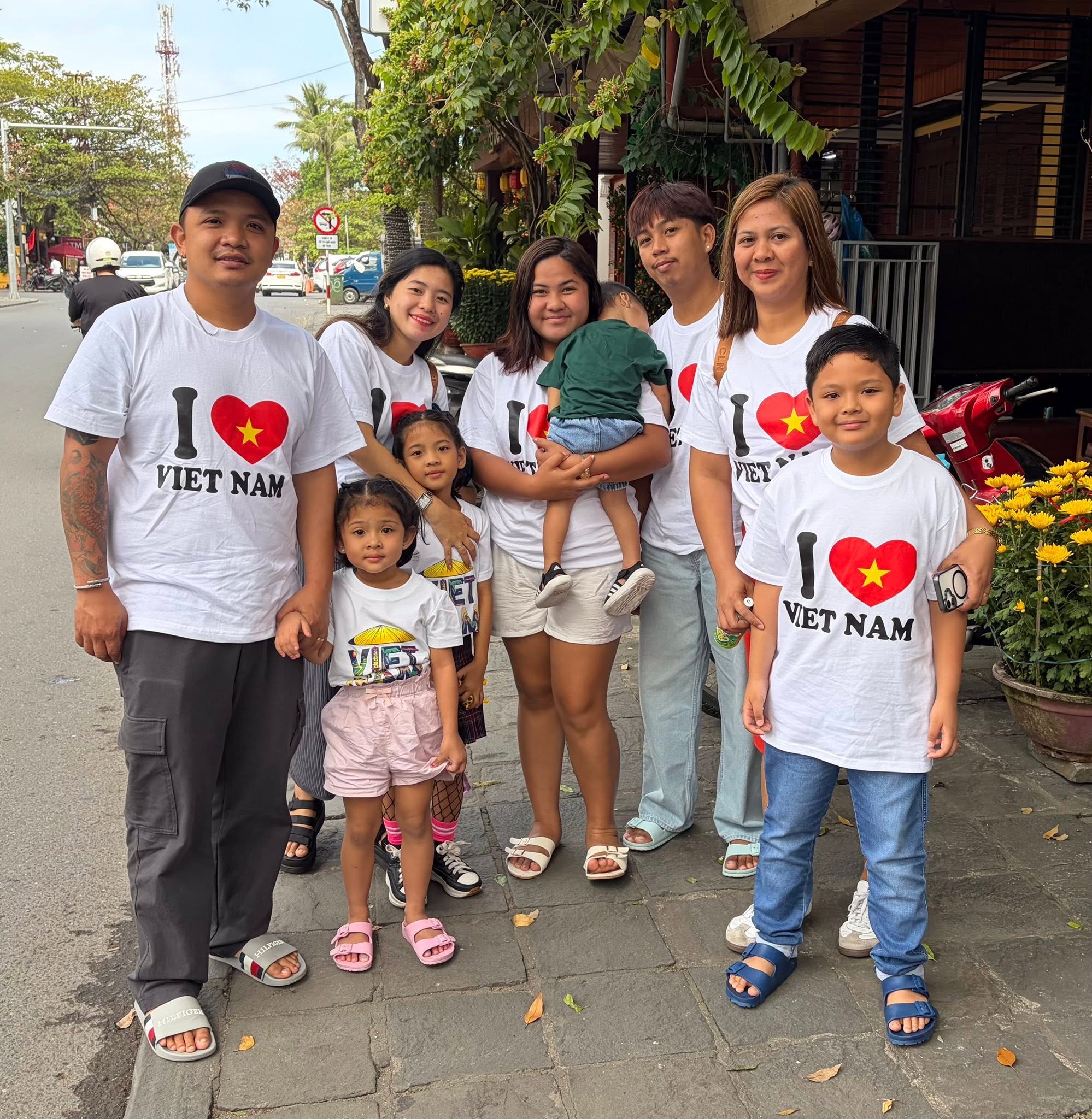
And its tourists, sure. Lots of honkies here, and Hoi An might have seemed even whiter had it not been at the climax of Tet when every native resident of Hoi An is also out, hotrodded in traditional red & gold Ao Dai dress, merrily reaching the bottoms of their Tet lists and preparing for as many as nine days off. It was like a swirling, festive holiday turf war, with the tourists staggering around all sweaty while the locals very purposefully navigated the narrow streets and alleys, busily acquiring greens and corn and rice. Herbs and a chicken. Flowers and decorations.
No last-minute trips to Fred Meyer. The Hoi An Central Market is the eye of the storm and you can get everything you need right there. WE didn’t get ANYthing there— partially because we didn’t need anything but also because it felt safer and more respectful to just stay the heck out of the way and let the professionals shred. These professionals are the aged market ladies who know their wares, how to trade with them, and how best to get from one side of the market to the other— sometimes on a motorbike or bicycle going as fast as the seething foot traffic will allow. When (if) you see them coming, you simply step aside. They are beyond reproach—the absolute top of the labor chain and an exquisite marvel to behold.
If you want souvenirs, they’re nearby— stall after stall hawking keychains and t-shirts, coasters and coffee. Beyond those stalls are the leather shops and tailors where things start to get really interesting.
Patti and I had planned on having suits made in Hoi An, known for its tailors and bespoken garments. And we’d actually stricken up a What’sApp conversation with Ms Lan from Shine Tailors, a referral from our Delta Easy Rider guide Sonny. Ms Lan had answered YES to all our questions during the previous week as we asked if her shop would be open during Tet, if she shipped to the US, if she liked music or kept any pets. We were just making conversation. We had no idea what was happening on the other end of the app or what Shine would be like once we arrived.
Grabs were already getting hard to come by on that Sunday afternoon, so we jumped on hotel bicycles at our groovy flop at the Ancient Garden Homestay a few kilometers outside the core. The traffic was terrific. Motorbikes everywhere, criss-crossing at every conceivable angle—the odd delivery van, horn blaring, forging a path of its own in what we quaintly like to refer to in the US as ‘the oncoming lane.’ The motorbikes just give as much as they need to in order to avoid collision— mere inches separating dozens of speeding projectiles made of steel, fiberglass and rubber. And then here’s me and Patti in the middle of everything, trying to make a left across the flow, ten motorbikes wide. No helmets, no lights, no brakes. It was quite insane. Riding a bicycle in inner Hoi An during Tet was definitely the most-dangerous thing I’ve ever done more than once.
And then dig Ms Lan. I don’t know what we expected. Like she was just going to be alone in her soft, quiet shop— sitting at her sewing machine, watching the door for us to walk in? We naive Americans! We would end up spending a lot of time in Shine over the course of the next three days and I don’t know if she ever connected us to the text thread with Sonny’s friends from America. There wasn’t time. From the minute you enter the shop until you emerge exhausted, it’s high-stepping fast-talking action. The shop is just like all the others on Tran Hung Dao Street, with hairless, faceless, sharp-dressed manikins on the sidewalk and flanking the tiled entrance. The interior of the shop is narrow with a series of long tables running the center and fabric shelves up and down both outer walls. There are half-dressed Swedes and Australians standing at the double-sided mirror at the back of the shop being measured, chalked and pinned by Ms Lan and her daughter. The son is scribbling down the measurements the ladies are furiously dictating in tailor’s Vietnamese. And working the front of the room is the ringmaster Chinh, the gentleman of the household.
Chinh carries on no fewer than five conversations with various groups of customers at any given moment. But when he’s talking with you, sitting sideways, left arm slung languidly over the back of the chair, you get the feeling you’re the only person of importance to him in the shop. In the whole city! There’s no hurry— no problem. He’s asking you where you’re from, what you do there, how long you’ve been in Vietnam, where you’re going next. The usual stuff, but he is such a gifted conversationalist (in his second language) that you don’t realize you’re being measured and chalked. And then seemingly in the middle of a sentence he casually rises and pivots to one the other accounts, all the time greeting new arrivals and handing out bottles of cold water.
We both overpaid for our suits (by Vietnamese economic standards) but it was an extraordinary experience and after all it WAS Tet. The garments were ready for a fitting within 24 hours and alterations were complete in another 24. Basically like on Christmas Eve they were sewing our suits, despite our objections (kind of). The work is great and the suits are in the mail now. It will be interesting to see if they do actually arrive. I don’t expect them before Memorial Day either way.
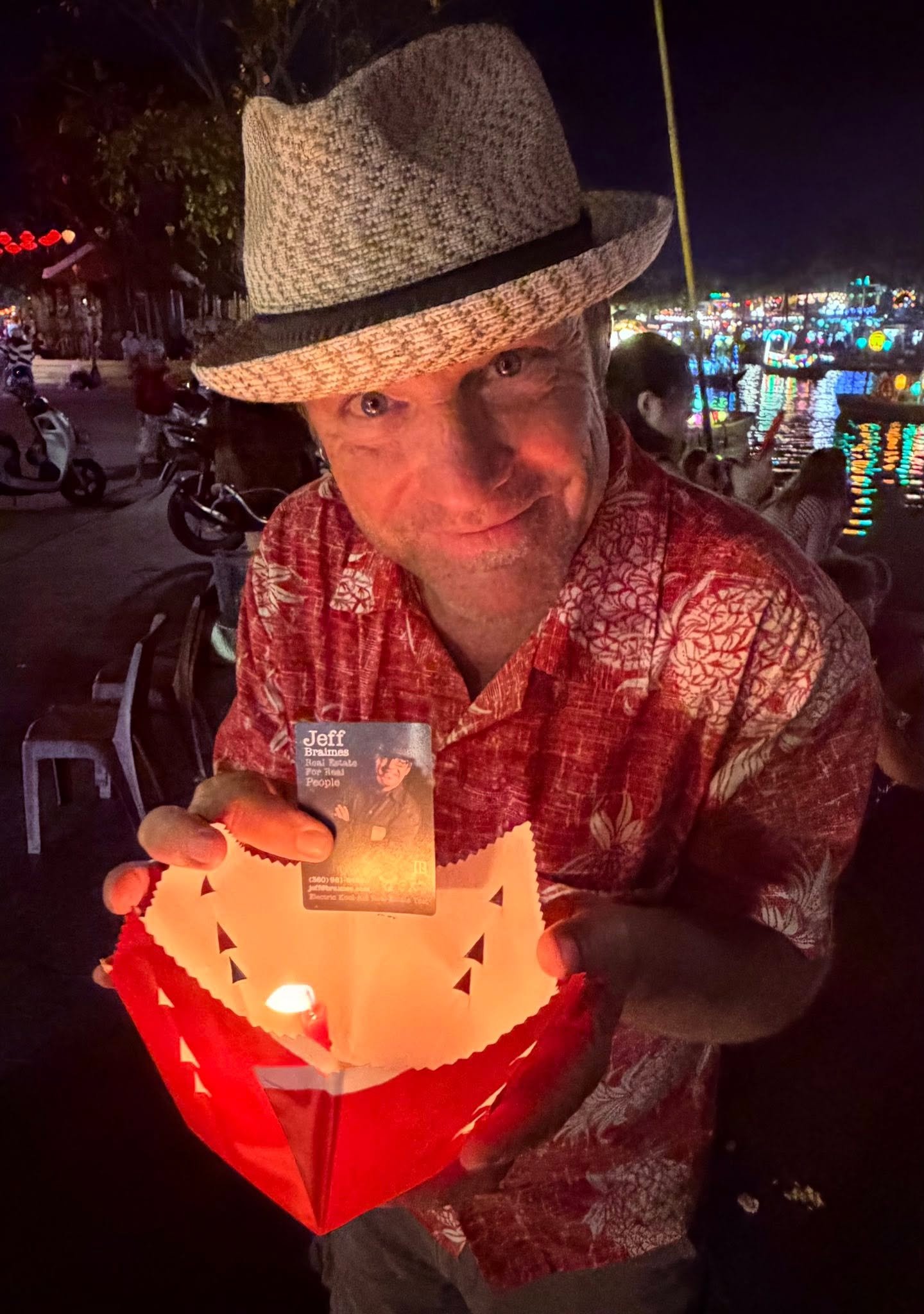
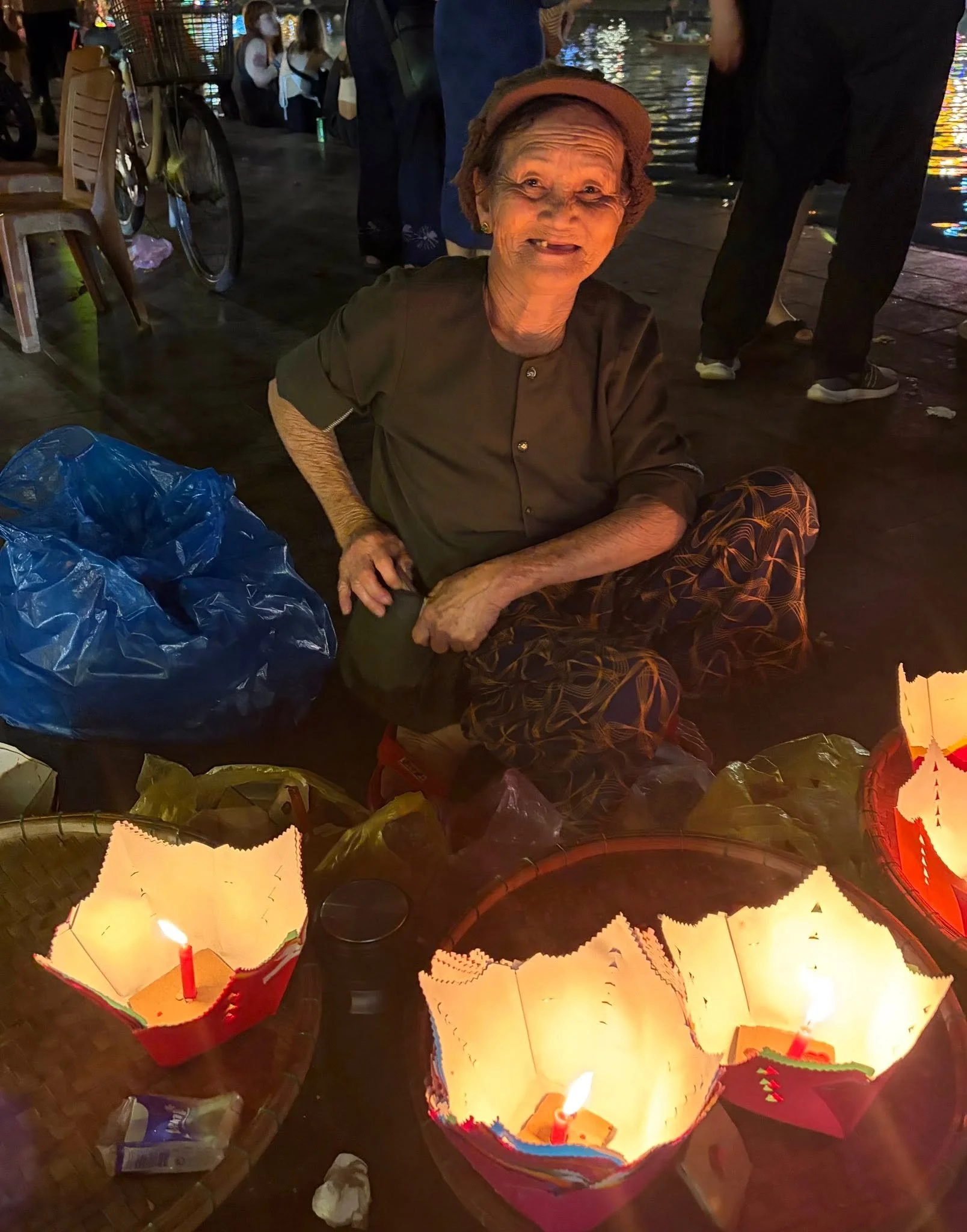
On the night of the 17th, we pedaled back to the old town around 9pm to wait for the fireworks and experience the turning of the clock on another lunar year. 2026 is the Year of the Horse and there was much optimism and toasting in the streets and along the stone-lined canals. Lots of the shops had closed by now, but there was still plenty of street food for the eating, Hudas for the drinking, and paper lanterns for the launching. We bought one each for the kids’ health and I launched one for prosperity in my business. We used the hearty grinning ba lao’s 10’ bamboo ladle to lower them into the canal and watched them float lazily down the polluted waterway toward the East Vietnam Sea. A striking, slender Vietnamese woman in a gold brocade Ao Dai and conical stepped gently onto the Cam Nam Bridge, the handlebars of a bicycle in one hand and her identically dressed 7-year-old son’s hand in the other. The crowd parted as the two made their way to the other side of the footbridge where the family Tet celebration was already underway. Big magic.
******************************************************************
With considerable regret, we bade farewell to the adoring staff at the Ancient Garden and climbed onto the backs of two Easy Rider motorcycles bound for the Imperial Capitol city of Hue. We would spend some moments fondly recalling our Delta guides Sonny & Tim, as today’s Riders simply were not as Easy. Coarse where our previous guys had been kind; pushy where the others were patient; smoking constantly where Sonny & Tim didn’t smoke— it was a different experience altogether, and we were glad it was only a day trip.
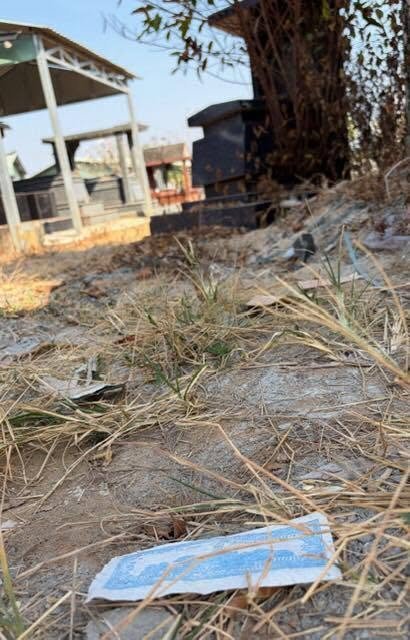
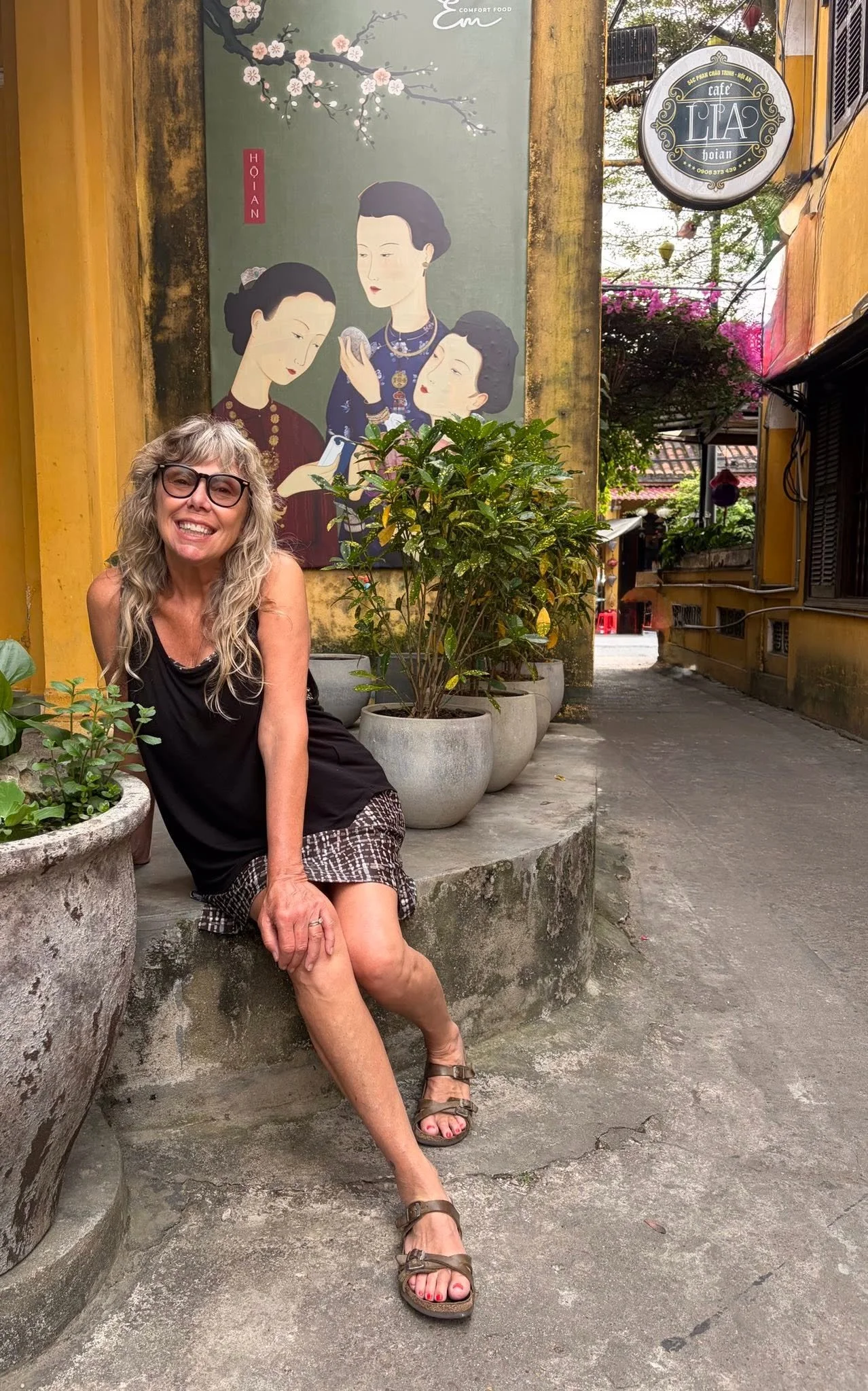
We did get to see the mind-bending City of Ghosts in An Bang, basically a 700-acre cemetery of ADU-sized tombs. Built and owned by individual families, each its own mosaic variation on a very strict theme— front entrance with staircase leading to the open central platform and ultimately to the enclosed altar in the back. Symmetry is the standard in all Vietnamese architecture, including monuments of worship and memorial. But nowhere is it more evident than in the luxury death villas at An Bang.
There was a different kind of Tet energy in Hue. Like Hoi An, there were hoards of locals out Tetting in the downtown area, but this was a much more contemporary scene. A much younger crowd, and instead of traditional dress they were wearing black and ready for clubbing. House music bounced from the larger open-air bars and it was clear that this cycle of Tet was for seeking companionship— at least for the kids in this university town. We had sushi this night and were asked by a pedi-cab driver if we were looking for the cocaine. It felt like Hong Kong.
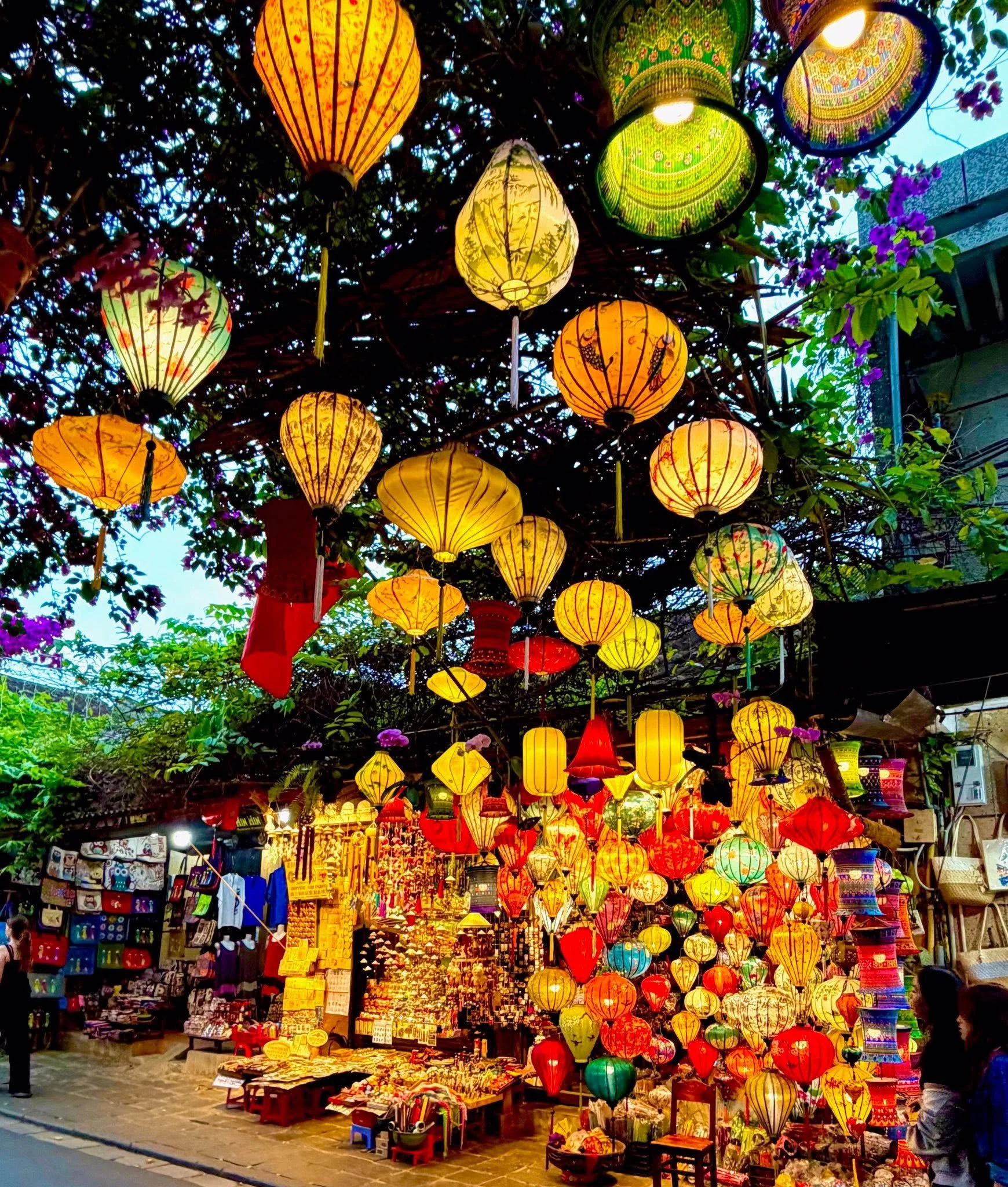
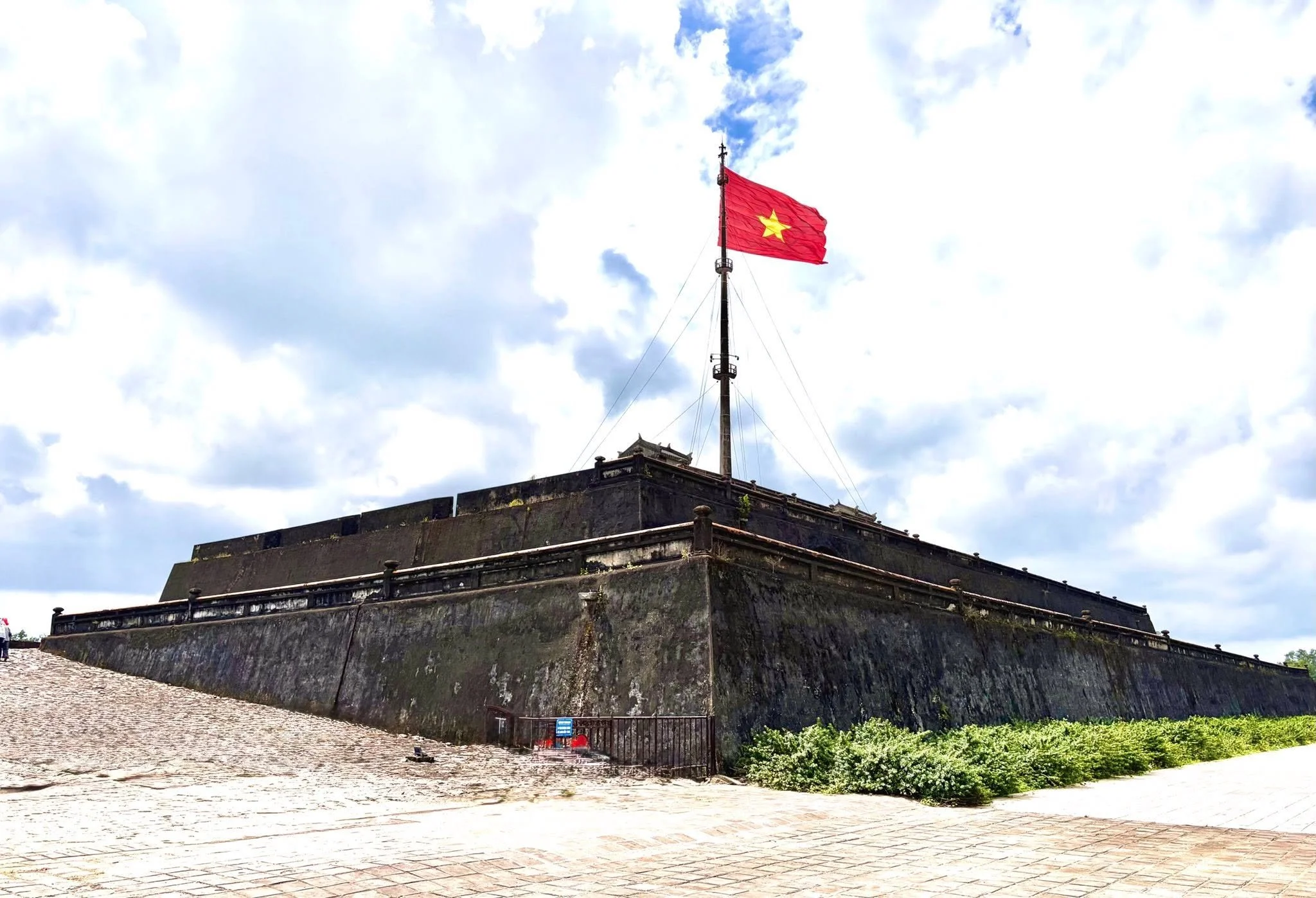
We did explore the Imperial Palace complex the next day, the walled city the Nguyen Dynasty Emperor commissioned in the 19th century. The grounds were sprawling, and the elegant main palace had been renovated in a sweeping public project during Covid. Bao Dai abdicated in 1945, handing the keys to Vietnam over to Ho and dissolving the Monarchy.
And that was all super interesting and everything else like that, but we had other stuff on our minds. We had to pack for the next morning’s sleeper bus that would take us to Dong Hoi and ultimately to Phong Nha and the world’s greatest caves
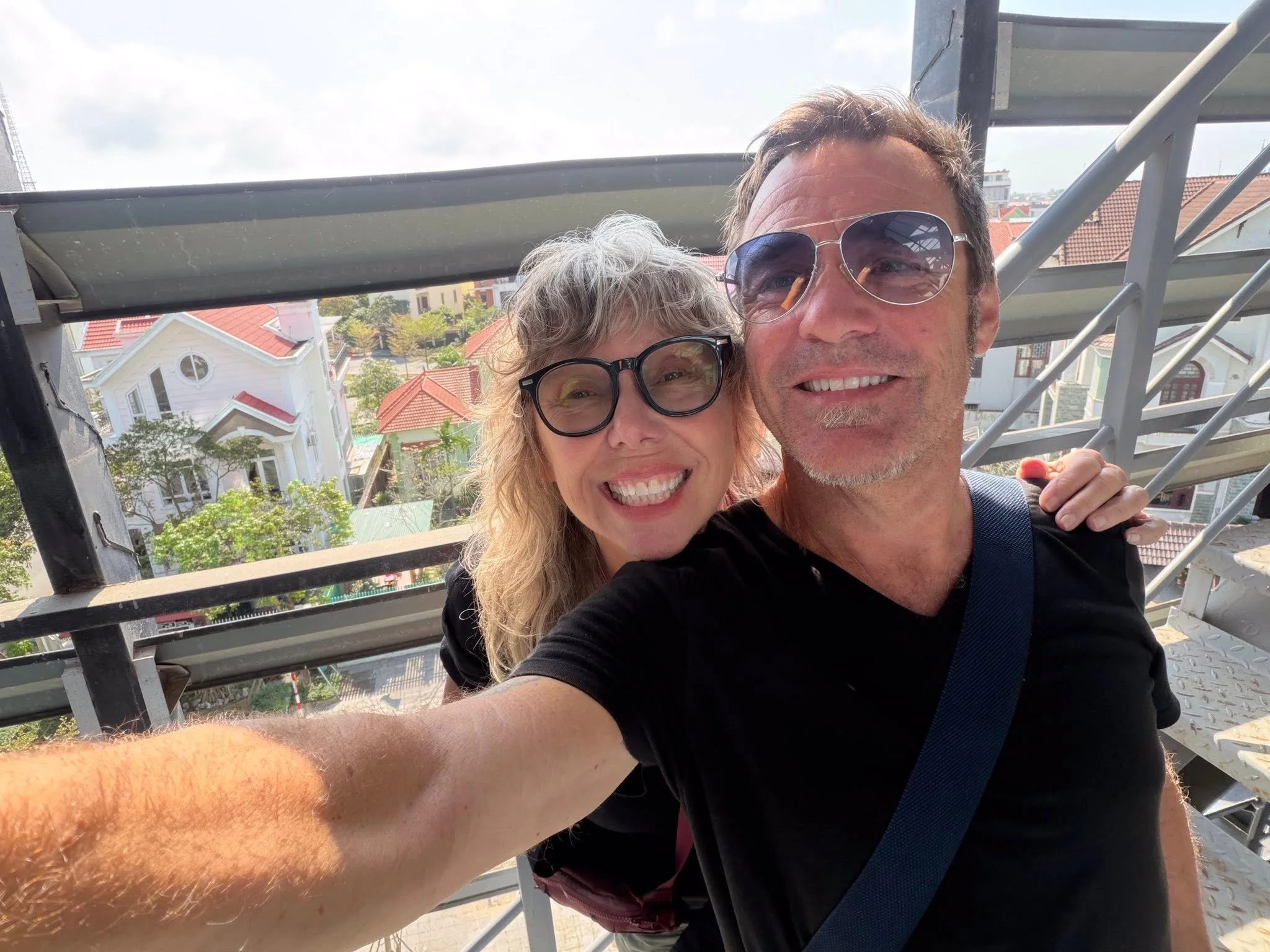
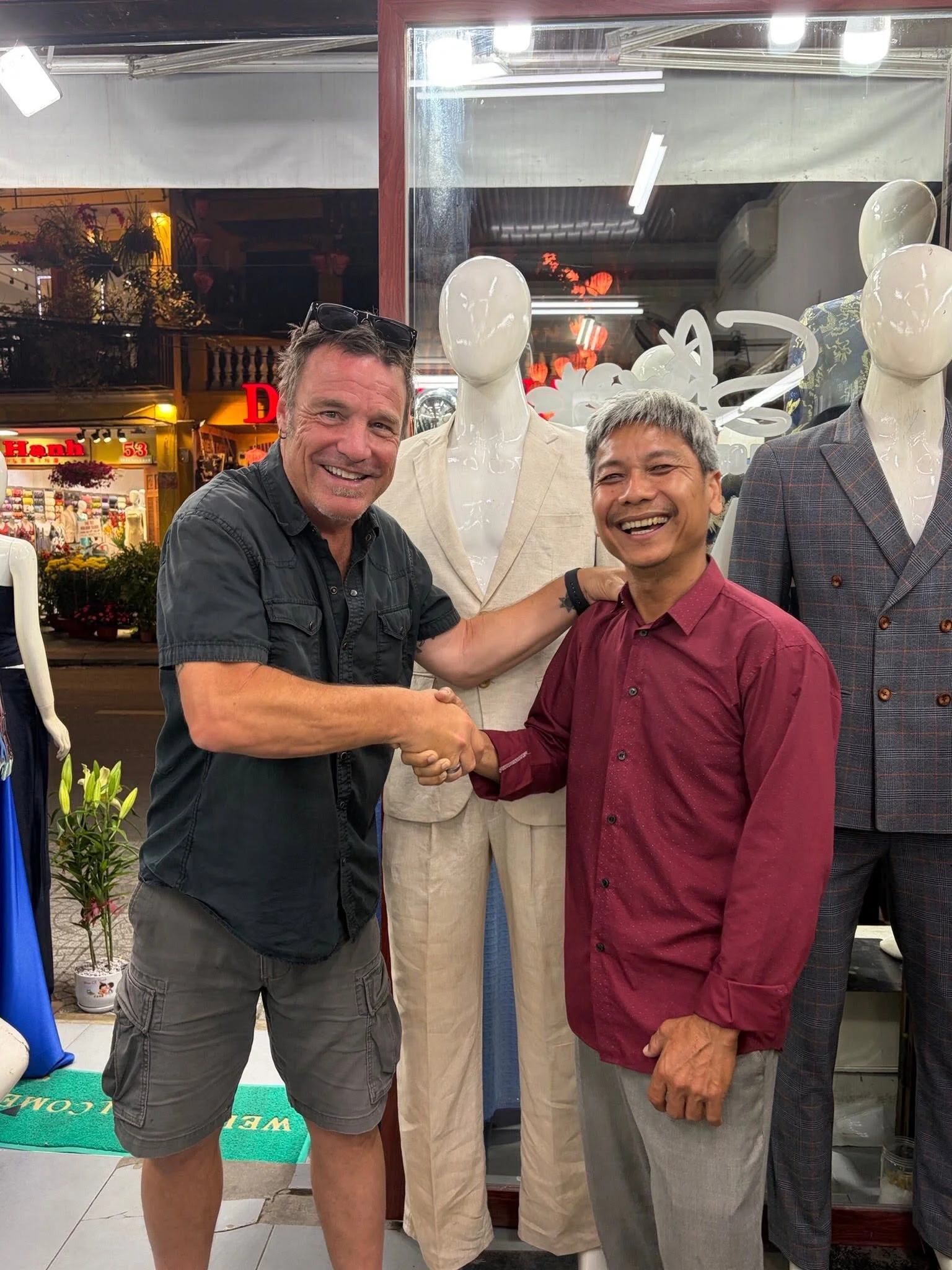
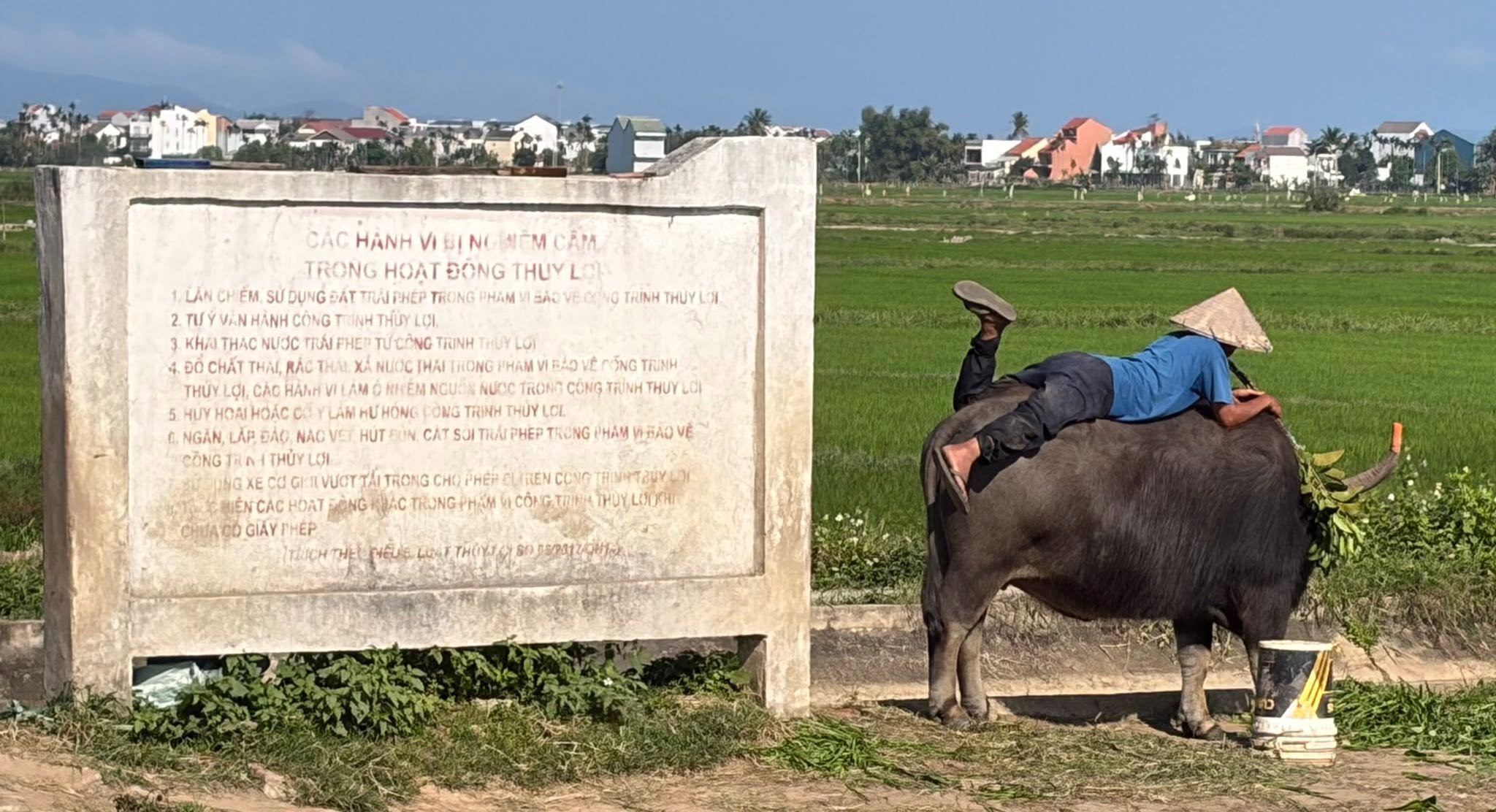
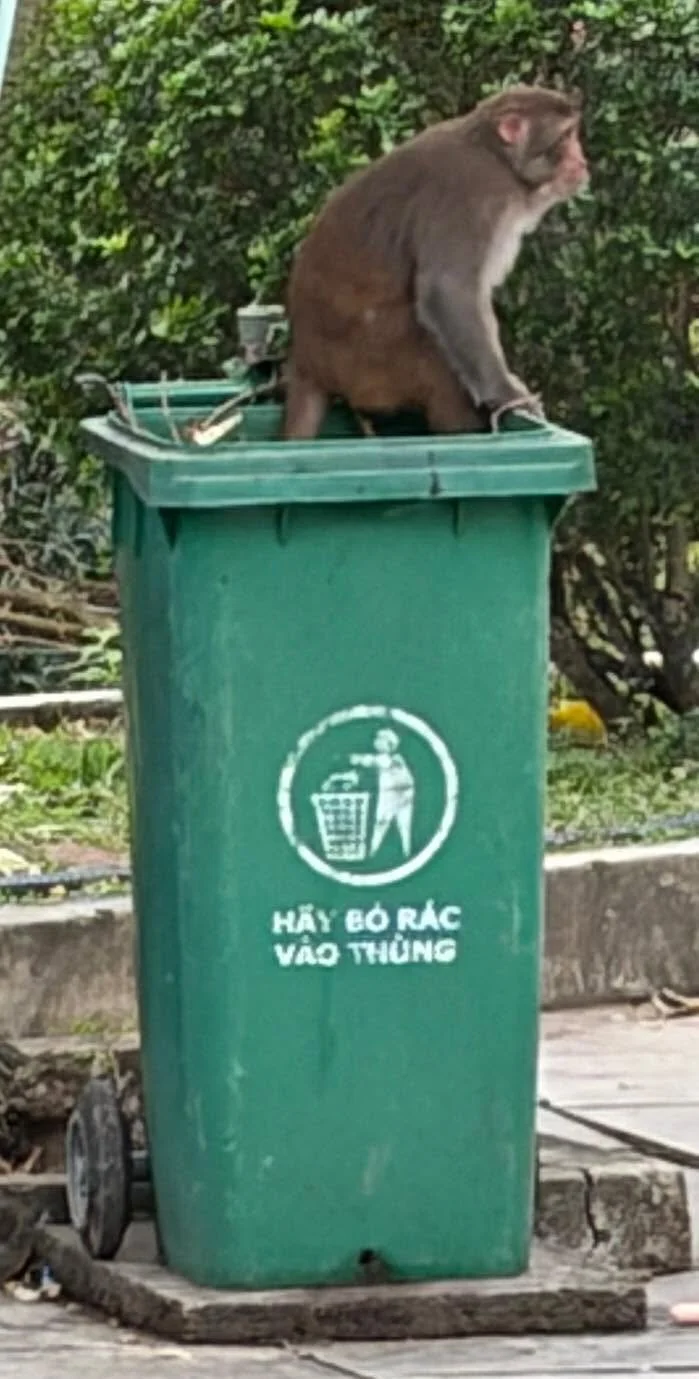
Vietnam 2026
Trains, caves and graves
I wouldn’t say I was dreading the cave trek. At least I shouldn’t have. Maybe I did, I don’t remember. But dread is a pretty heavy concept and is probably best reserved for more genuinely dreadful eventualities like— I don’t know— massive chain war, for instance.
Still, I’d be under-disclosing if I didn’t admit I’d been feeling some vague anxiety about the caving leg of our trip pretty much since the moment Patti booked the expedition with Oxalis Adventure Tours back in November. We both had.
Vietnam is home to some of the largest caves in the world and in fact THE largest by volume, the absurd Son Doong Cave which features its own jungle and a 30+ story high passage— a total of nearly 40 million cubic meters. It’s what they refer to in the caving business as a BALLER—a truly all-inclusive adventure which lasts a week.
So, we didn’t choose that one. But even our starter experience of the 3-day Hang Tien stroll had not only me but also our travel agent (Patti) feeling a little goosey. It was rated EASY unlike some of the other packages such as MODERATE, CHALLENGING, WHY DID I AGREE TO THIS and AGONIZING DEATH LIKELY. But we still had to submit a full-body shot of us working out and a detailed description of not only our daily exercise routine but also a list of any medications we take. So we sent them the most truthful lies & doctored images possible— and after some negotiation and extra layers of disclosure, Oxalis agreed to accept our deposit. We still knew we were going to have to swim in an underground river and that it was possible we would be eaten by leeches. We were warned that it was potentially dangerous and that it would be really hard physically.
We were less prepared for the emotional challenge…
*********************************************************************
We arrived in Phong Nha Saturday afternoon on the sleeper bus from Dong Hoi. Those buses are a pretty comfortable way to travel, but did you know they don’t have bathrooms on them? Neither did I!
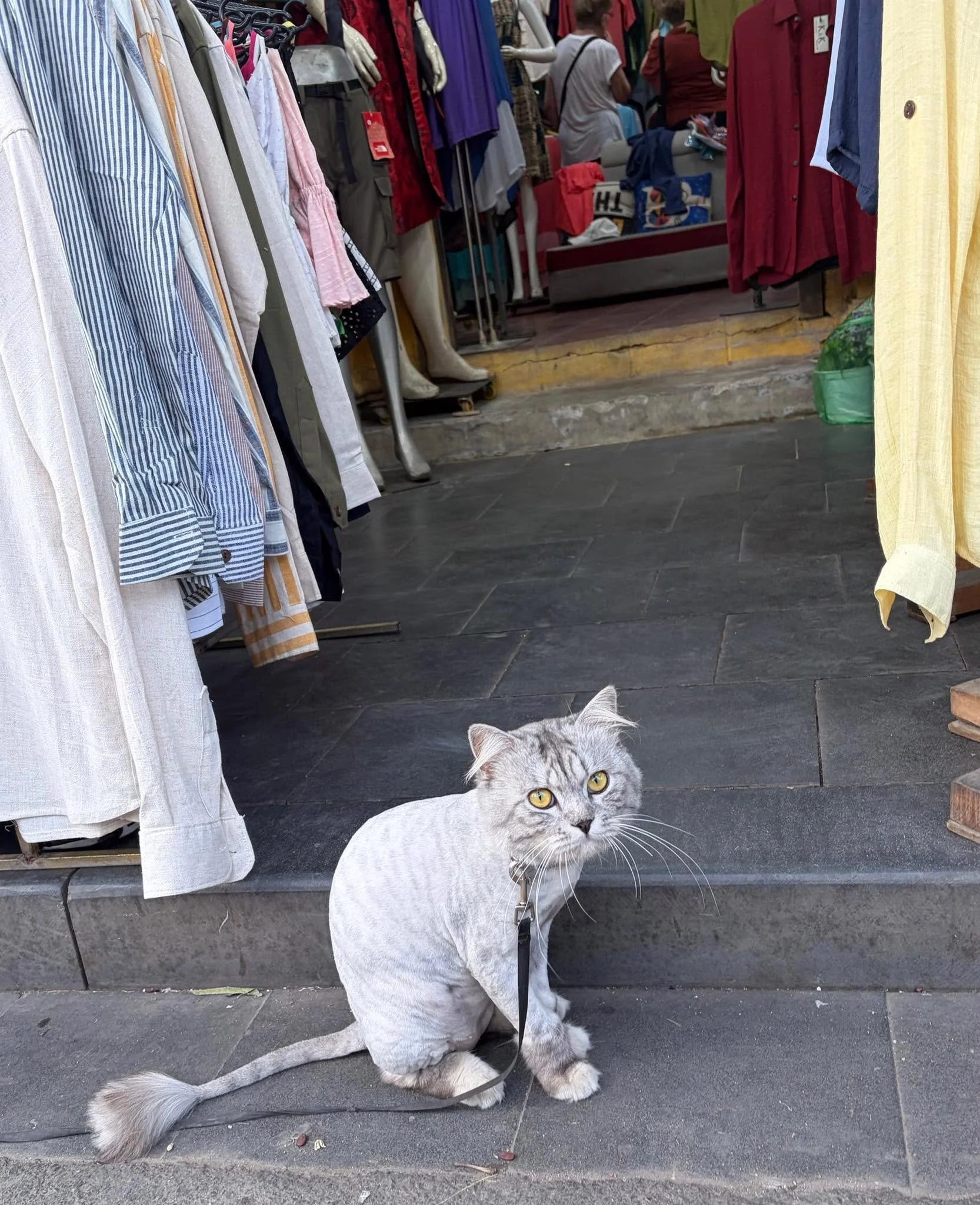
The sprawling Chay Lap Farmstay had an outdoor pool and restaurant/bar and lots of bikes and kayaks for the taking. There wasn’t much to do out there other than spelunk, and our trek didn’t start till Monday. So we opted out of the day caving and spent the two days getting lost on the remote country roads amongst the giant karsts of the Phong Nha Valley.
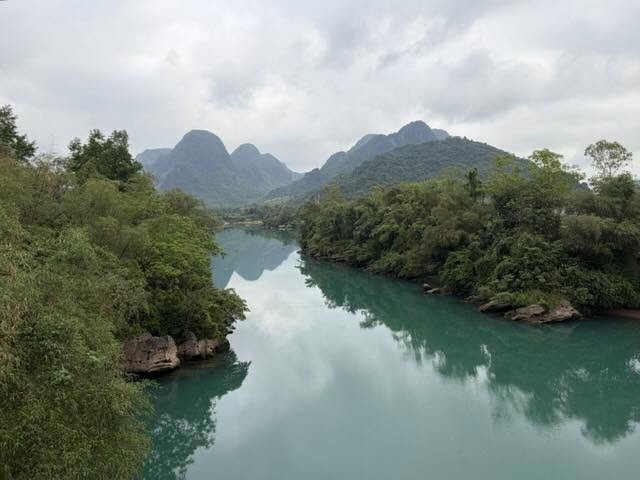
I still don’t understand the geology of these marvels. The valley is basically sea-level, only 40 flat minute’s drive inland from the beach at Dong Hoi. But very suddenly you are winding through these vine-crusted haystacks that rise like thunder from the valley floor. Hundreds of them, just plopped down seemingly wherever the gods dropped them. Some are modest in size—others colossal, like 3000’ tall. But there’re no foothills or gentle rises. You’re either flat on the floor or rising vertically, like climbing a giant incisor. And then it’s so crazy to think that half of these things are hollow and inside are thousands of caves!
From the minute the Oxalis van picked us up Monday morning until they delivered us back to Dong Hoi Wednesday afternoon, we felt exceptionally well cared for. Our guide Hui was always close by and every aspect of the experience was incredibly well curated—from booking straight through the expedition itself and to the deep parting hugs we shared at drop off.
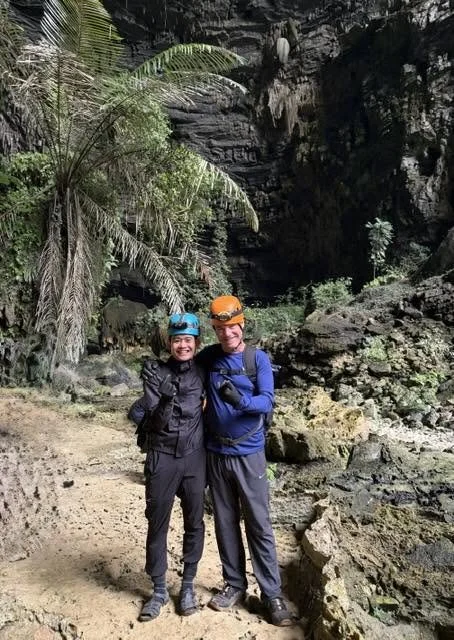
The Hang Tien tour can accommodate as many as a dozen guests, but our group had only six. In addition to Patti and me there was a woman from Germany, a dude from Poland and two childhood friends from Da Nang— one currently living in Australia and the other outside Paris. With the exception of some asides exchanged between Hui and the local kids, we communicated exclusively in English—but with a real UN menu of accents. The Europeans may have been in their early 40s; all three of the Vietnamese kids were 30. They wondered— at times aloud— if the Americans in their 60s were going to be able to keep up.
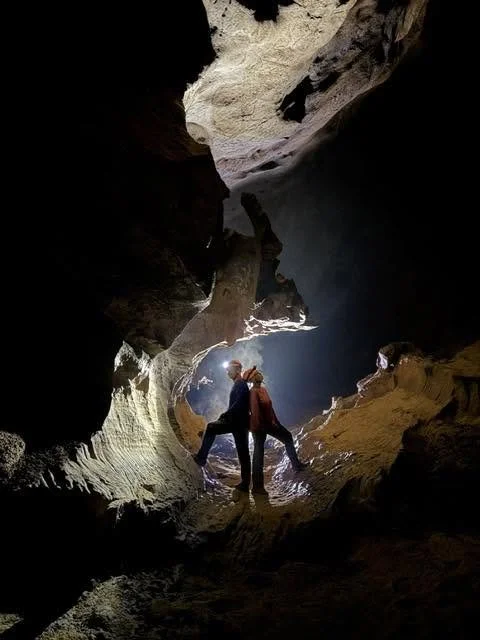
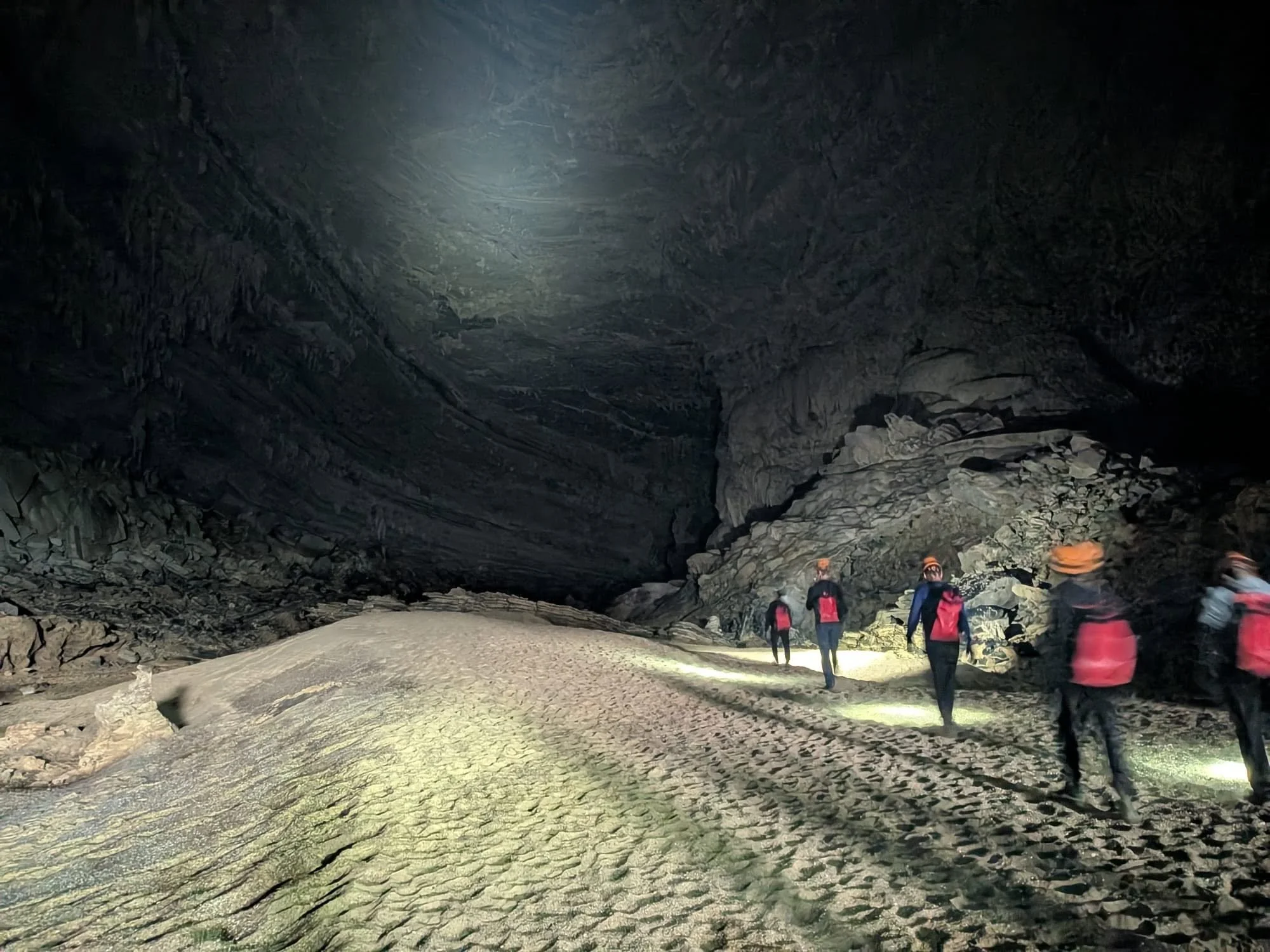
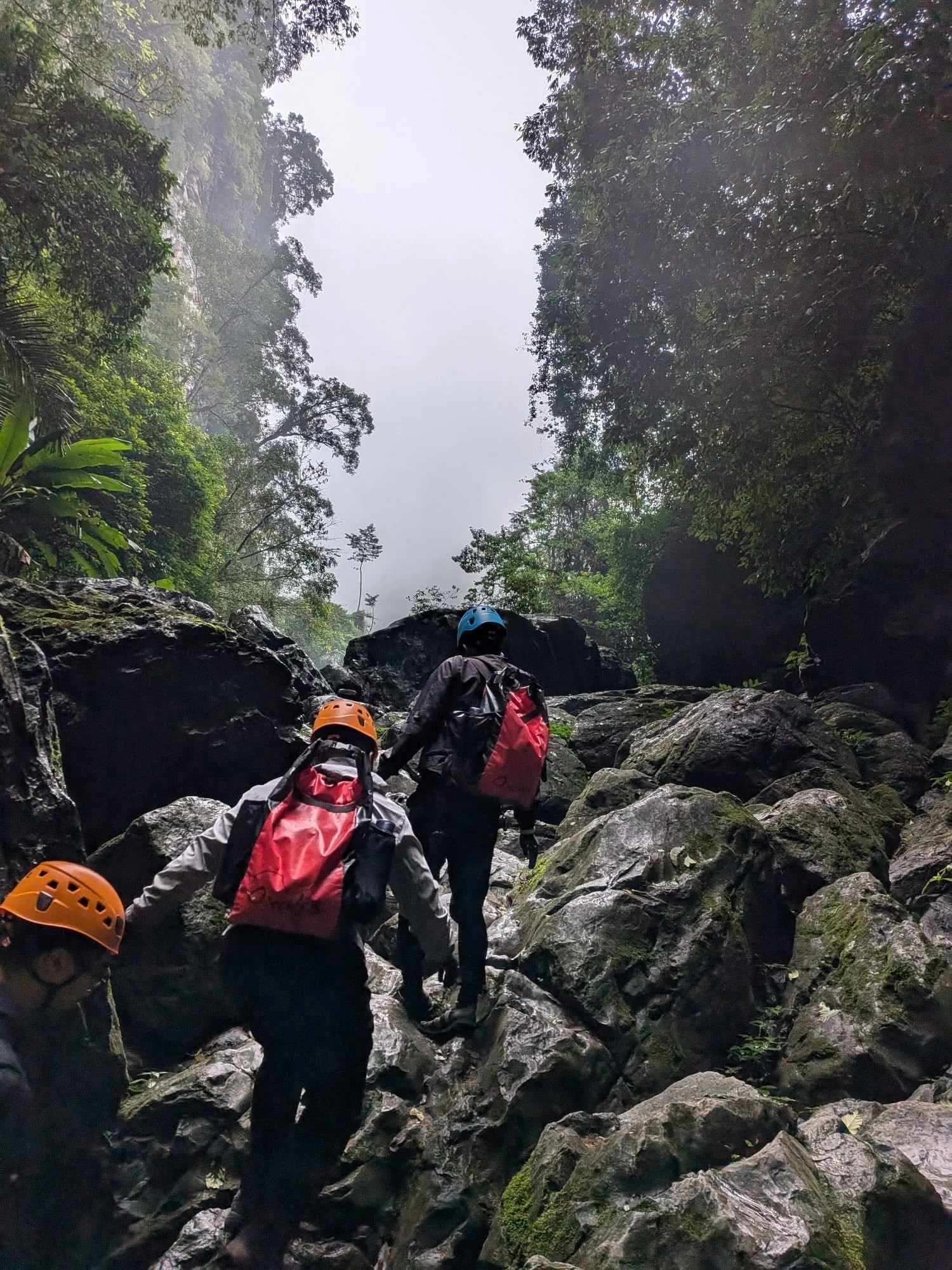
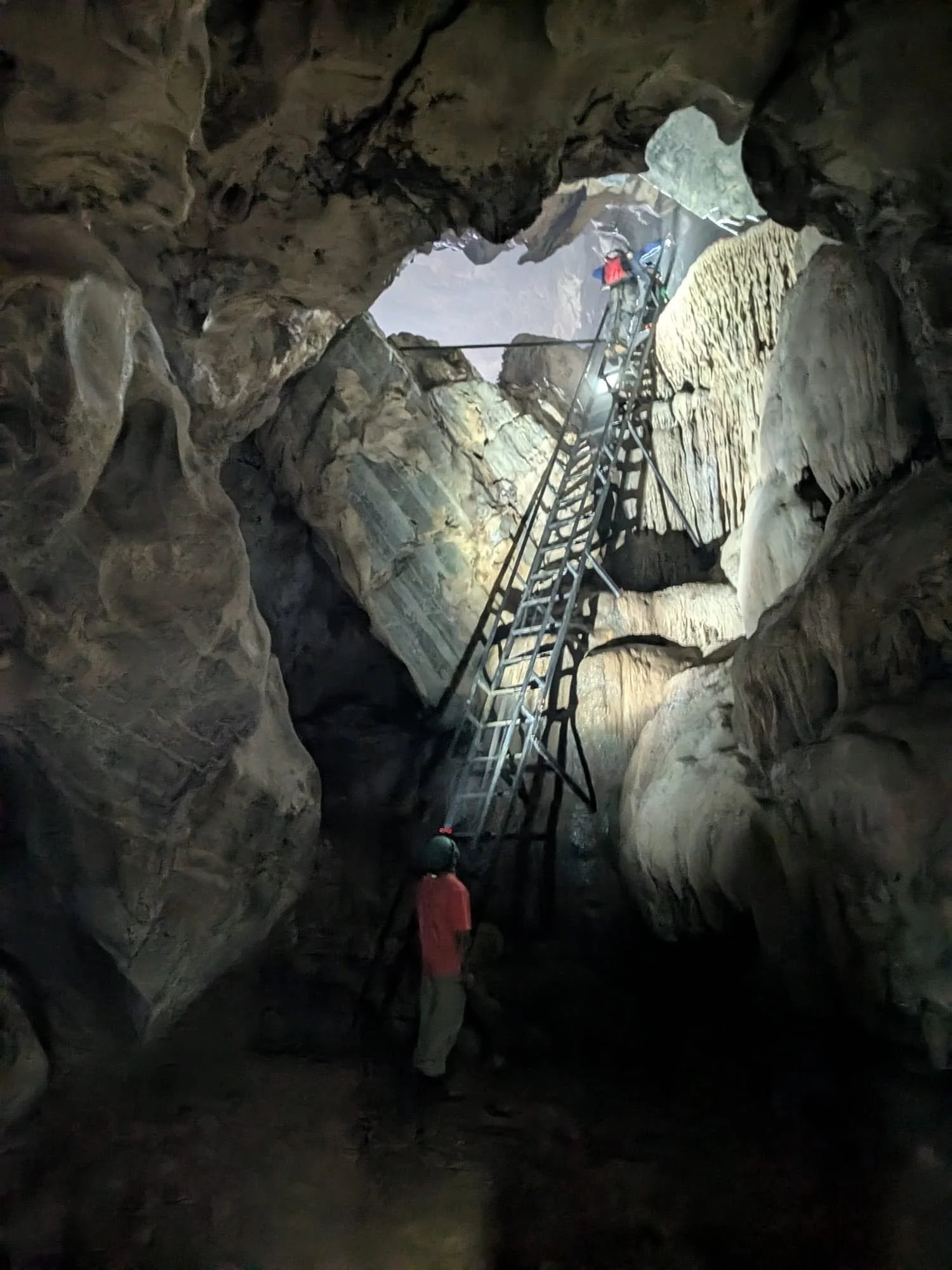
Most of the really challenging stretches were on the second day, but the first afternoon did feature the swimming segment. To comprehend the power of this experience, it’s helpful to first understand the interior of the cave itself. You can look at YouTube footage of this trek all you want, but until you’re actually there, you can’t truly understand what it’s like. What I wasn’t prepared for is how clean the cave is. Without light, nothing grows—so there’s no brush or vines or even moss. There are no witches or monsters unless you count the pigeon-sized bats or the crab-sized spiders. There’s mud, but it’s sandy and clean. And the surfaces themselves and the water are super clear. It feels fake, actually— like a theme park. Like how could this ecosystem actually exist naturally?
These welcoming conditions did make it easier to justify slowly descending from the contoured rock surface of the bank down into the underground river, the bottom of which you could eventually no longer feel beneath your feet. The water was not cold— but other than the beam of your own headlamp, it was profoundly dark. Like it’s the most consuming and absolute darkness imaginable. And you’re drifting along in a subtle current in all your clothes including your shoes plus a helmet and life jacket. The walls of the cave wind forward—or is it backward? There’s little telling. The stalactites hang down from the unseeable ceiling and pretty soon the river is narrowing and the walls are only a few feet apart and you’re scraping sideways through a crevice just wide enough to accommodate you. There’s a lot of distance between party members at this point and at times you feel a little alone.
It’s a weird high. Patti thought we might have been in the water an hour, but I don’t think it was half that. And that’s a good illustration of the vacuum effect of the cave. Floor, ceiling, walls— they’re all the same, with distance and even time kind of taking on a different form than we’re accustomed to. Like space I guess. I’ve never been.
We did two caves that first day and after a long, muddy descent we ended up at the riverside camp where our dry clothes, a reasonably dry tent (it had begun raining lightly) and dinner were waiting for us. The food prepared by Ly and his crew was delicious and plentiful throughout— another gold star for Oxalis.
Honestly, there aren’t sufficient gold stars in the review galaxy to adequately spiff Oxalis Adventures. Not only Hui & Ly but also the porters and our personal spotter who ironically went by the English tag of ‘Victory.’ The assignment for this wiley goat of a man was clearly to keep the Americans alive during the trek. And without him we might indeed not have emerged, as there were a few times when his steady hand or shoulder could very literally have been the difference between survival and permanent death.
The group pretty quickly fell into a formation of Hui in front followed by the Europeans and the Vietdudes with Patti and I bringing up the rear. Victory would hover behind us with a stabilizing hand on the dicey parts and a ‘wacho haid wacho haid’ when the tites hung far low. On the last day, during the punishing muddy ascent up the back of the last karst in 90/90 conditions (90 degrees; 90% humidity) Vic was literally fanning us from a step behind. It was a little embarrassing but also incredibly refreshing. When I handed him the half-million dong tip at the end of the trek, I asked him if we could adopt him. He had no idea what I’d said of course, but we both just laughed and laughed and I guess I kind of miss that little dude this morning, recalling him fondly in-writing.
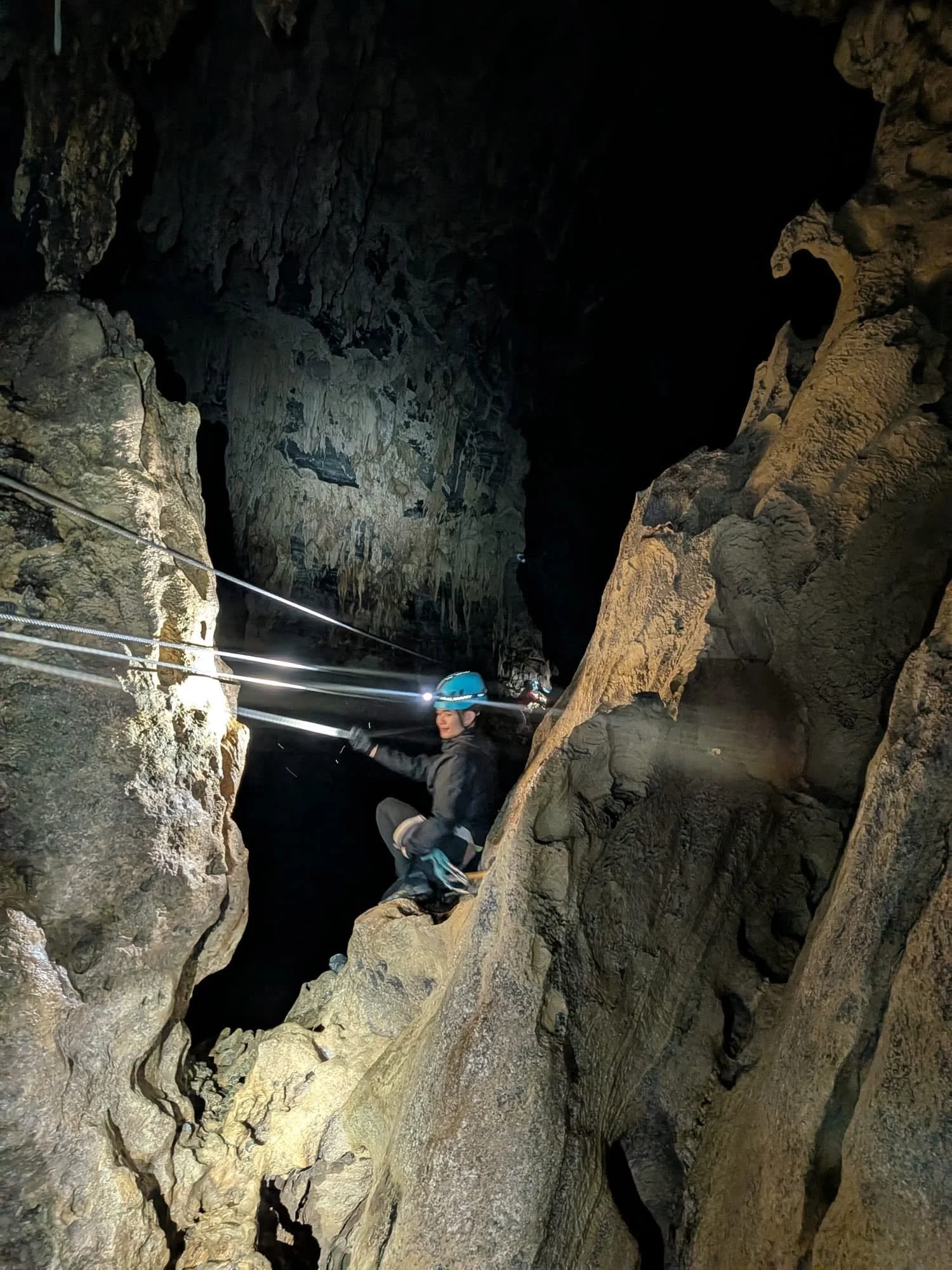
And that second day did feature some pretty hairball moments. We were prepared for styx swimming and we knew the hike out at the end was going to be hard. But we didn’t know about the rappelling or the ladder or about zip-lining across the 40’ chasm or the tightwire walk across the narrow, elevated limestone spine with no handholds in-sight (other than Victory’s). That was the part that made Patti cry. On the way in. And then we had to come back out…
But we did come back out. We made it. We reached the ice-cold shuttle bia that Hui had been promising us since hour 1. We got a wooden medal draped around our necks in an Ozlike roadside ceremony while drinking that bia. We got to convene with our little team in the home of an Oxalis villager that night to enjoy a regionally-significant meal and participate in its traditional preparation. And we got to sleep like rocks in one of the villager’s floating ADUs having faced our fears and vanquished our insecurities. I’d do it again if I had to, but I probably won’t. Have to, that is. My caving days may well be over.
*********************************************************************
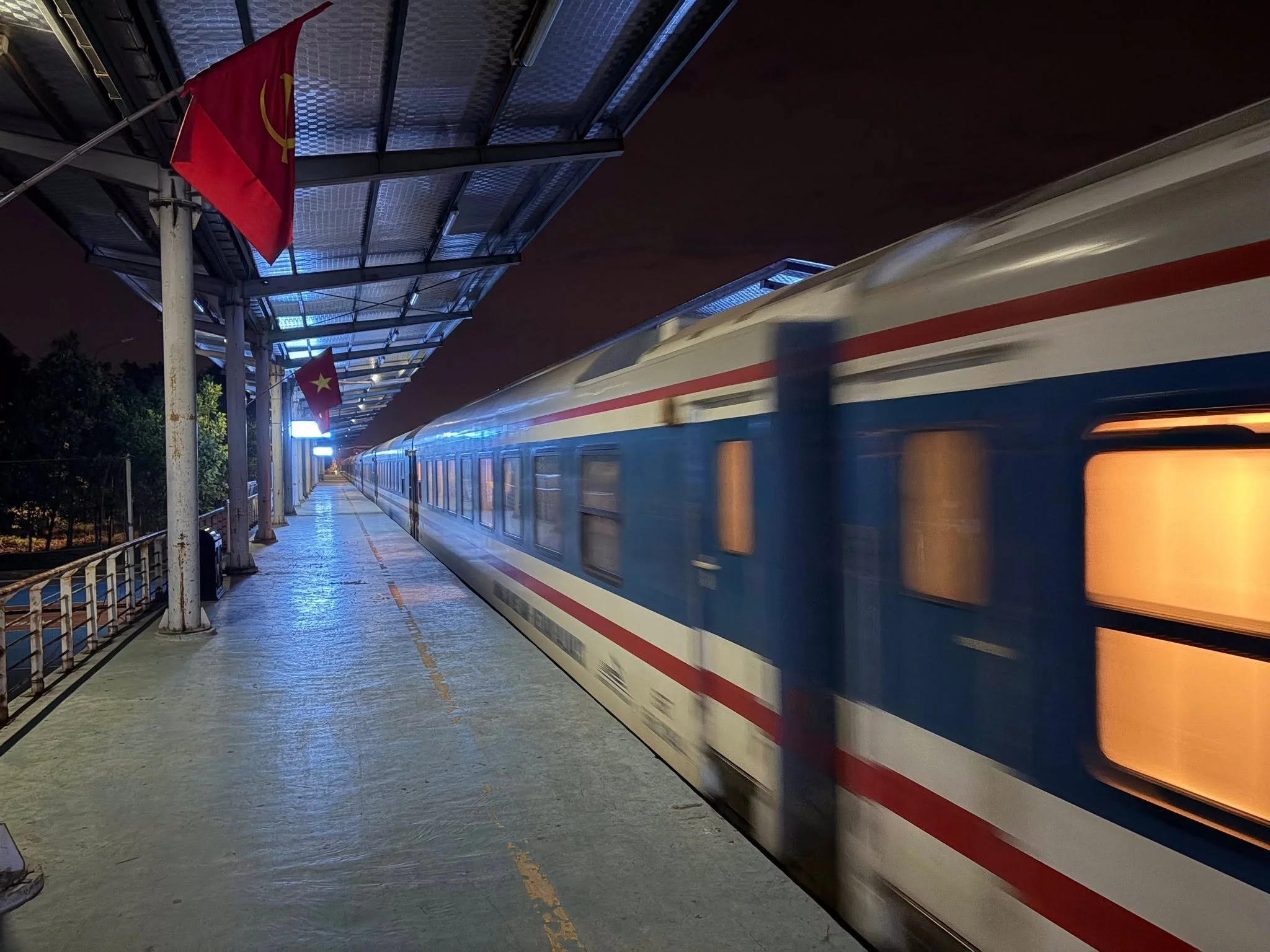
We pulled in to the Ninh Binh train station after dark on Thursday after a 9-hour train ride from Dong Hoi. Neither of us had ever taken a sleeper train before, and at $12/bunk, we splurged on the other two spots in the 4-bunk compartment so we’d have our own private space. It was a really delightful ride with reasonably comfortable bunks and a vase of plastic flowers. I wouldn’t really call it sleeping, but we ordered some bia’s at sunset and enjoyed the scenery & greenery of the Vietnam countryside.
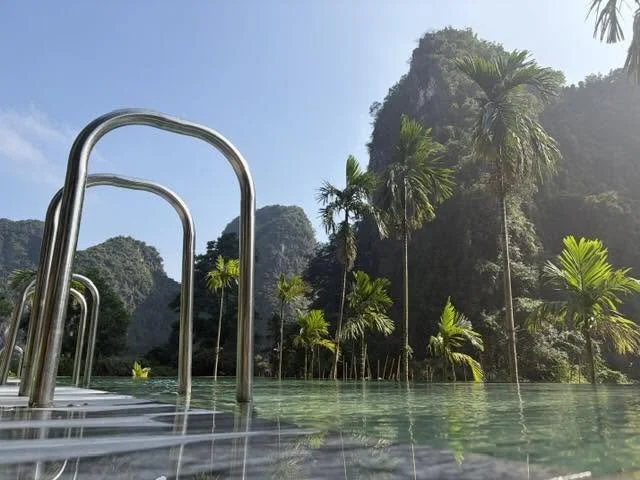
Another 20 minutes by car got us to the Ninh Binh Valley Homestay that had looked so sexy in the photographs. Don’t they all. In true reality, the facilities at NBVH were pretty spartan, with stone floors, bamboo walls and thatch roofs. But the setting couldn’t hardly be beat, literally at the end of a long network of narrowing roads, winding amongst the karsts of Ninh Binh. These monoliths seemed to have a slightly different geological composition than their cousins in Phung Nha, 300 miles to the south. These stacks were just as dramatic, but seemed craggier. Maybe it was merely that they were covered in less vegetation, I’m not sure. But these looked rockier, and caving aint a big deal up there so maybe they haven’t been hollowed out by water and calcium and time like the ones in Phong Nha.
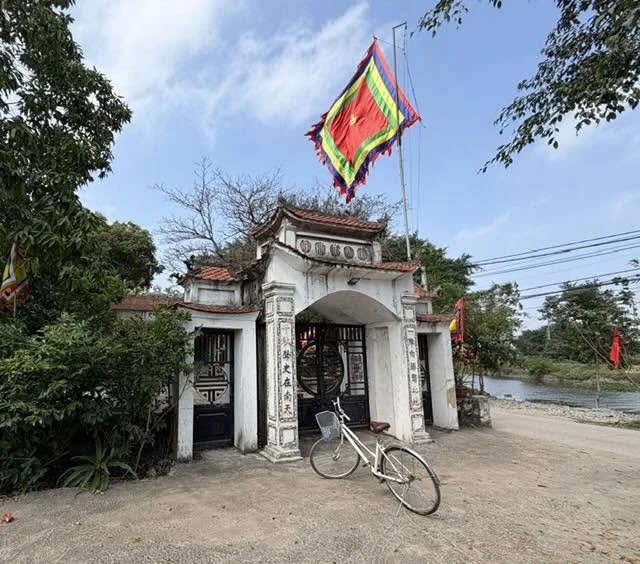
The Valley Homestay was a great place to decompress after the wiggy excitement of the caves. We actually lounged by the pool a little and swung gently in the hammocks on the porch of our bungalow, listening to the frogs and gazing up at the quiet giants looming on all sides of the private grounds. Pedaling home from dinner in town on the last night, the full moon was peeking out from behind the clouds as the fireflies danced above the fields next to one of the village’s many pop-up cemeteries. The karsts were silhouetted against the moonlit sky and we stopped on the dirt road and just took in the consuming nothingness of it all. I wished I could bottle it and save a taste for later, when I could use the peace of it. But that’s not how it works. You can’t take it with you. There is only the moment.
The next afternoon, we would be back in the chaos of the city, ready to rock Hanoi.
* Note: no leeches! The Oxalis website is pretty frank about the likelihood of unknowingly picking up a few of these blood-sucking hitchhikers, and we met a young couple from the Bay Area on our Saigon streetfood tour who had taken this same trek only a month earlier, and they definitely got attached. But Hui said it wasn’t peak leech season, and we were also successful in avoiding poisonous snakes and Dengue mosquitos also. For the win!

Vietnam 2026
Hanoi Rocks
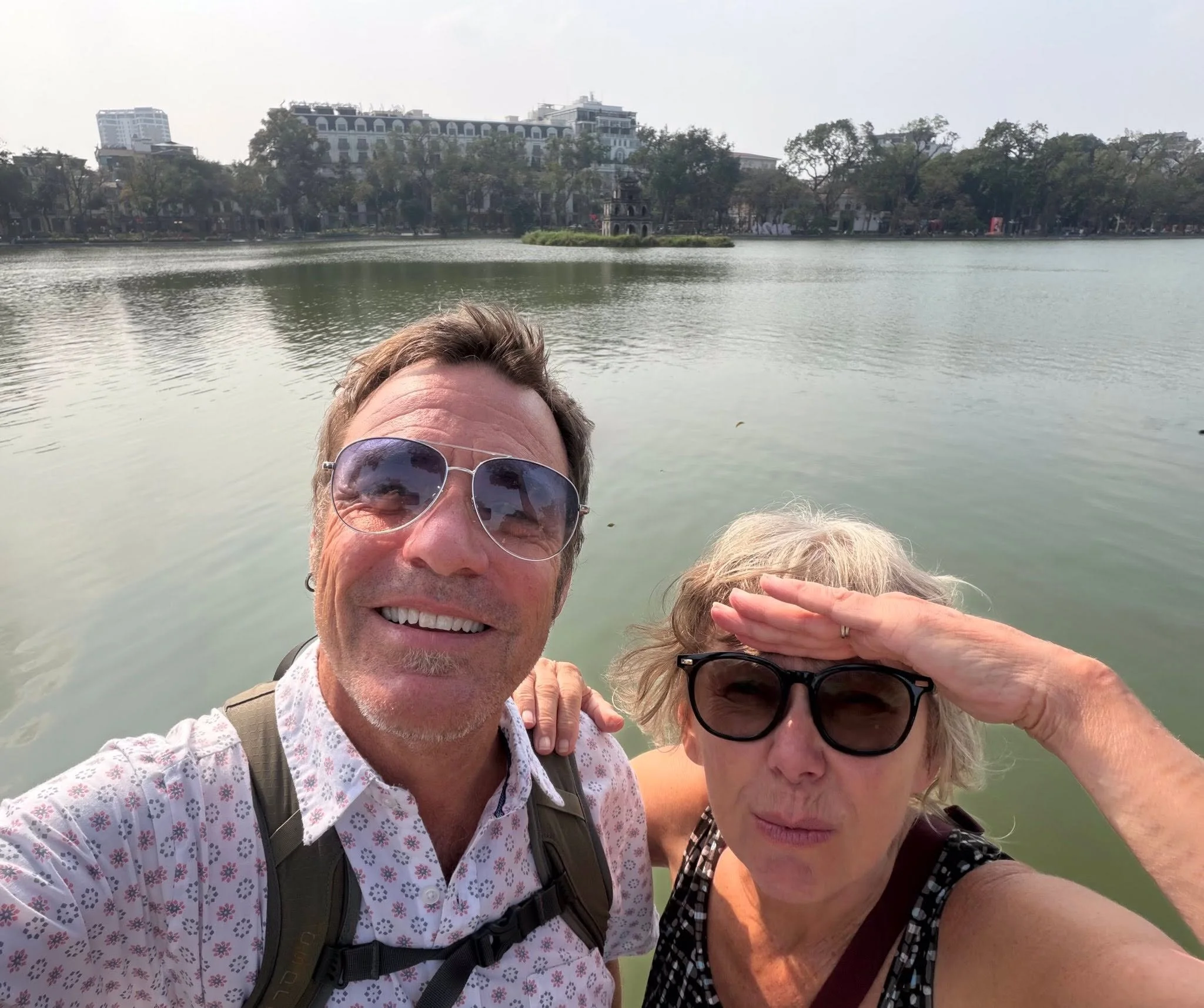
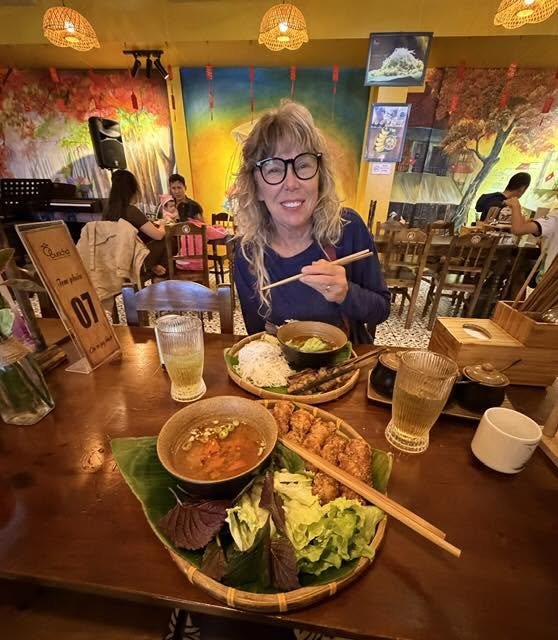
Patti and I hadn’t planned on spending a week in Hanoi. It was always our intention to take a side-trip further north and break Hanoi into two meals. But as it turned out, we ate the whole damn thing in one uninterrupted bacchanalian sitting.
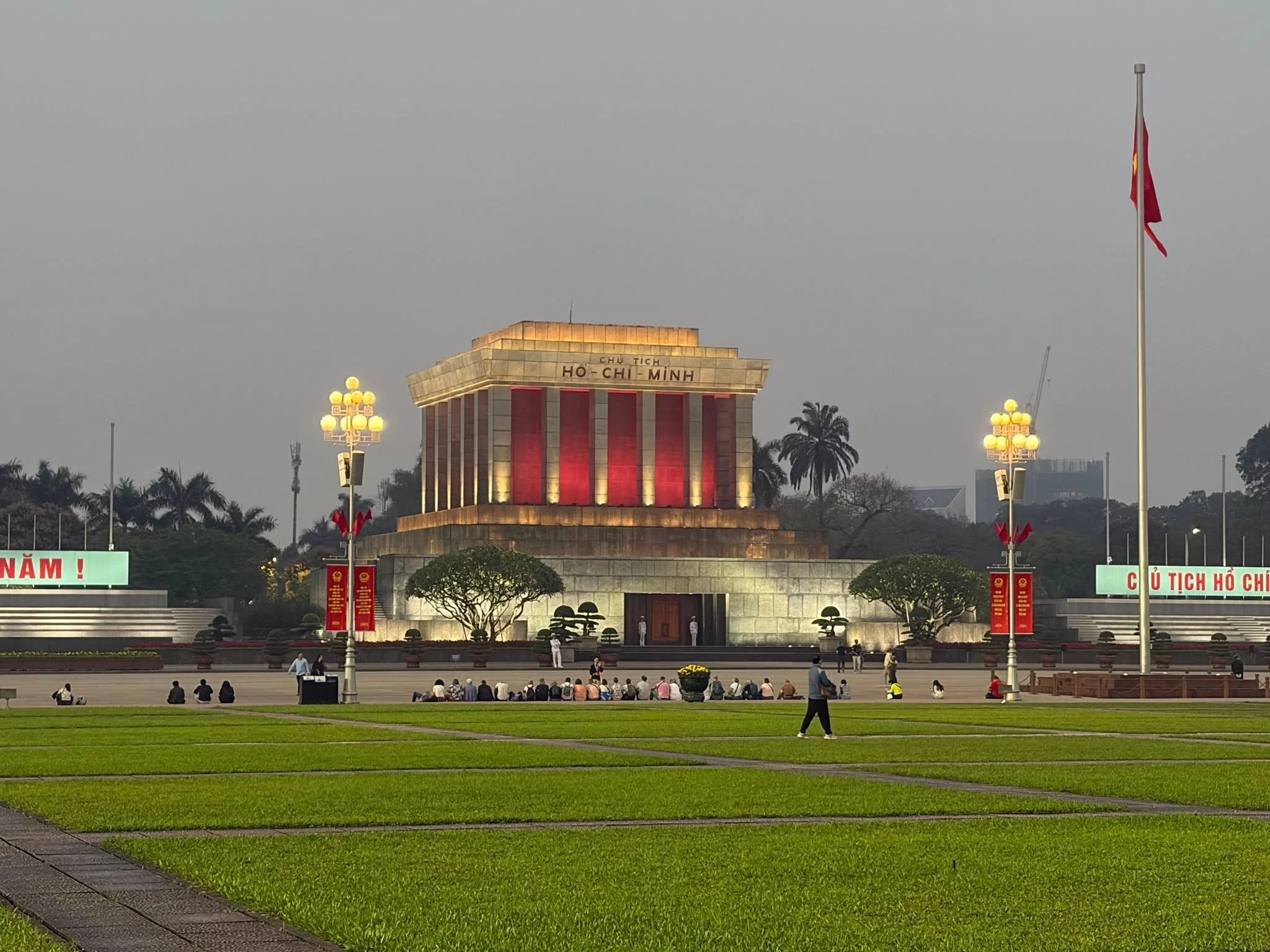
It’s a rich and filling meal, Hanoi. The capitol, the home of Uncle Ho, the spiritual center of Vietnam— a hustling, noisy, colorful, wonderful mad blast of a city.
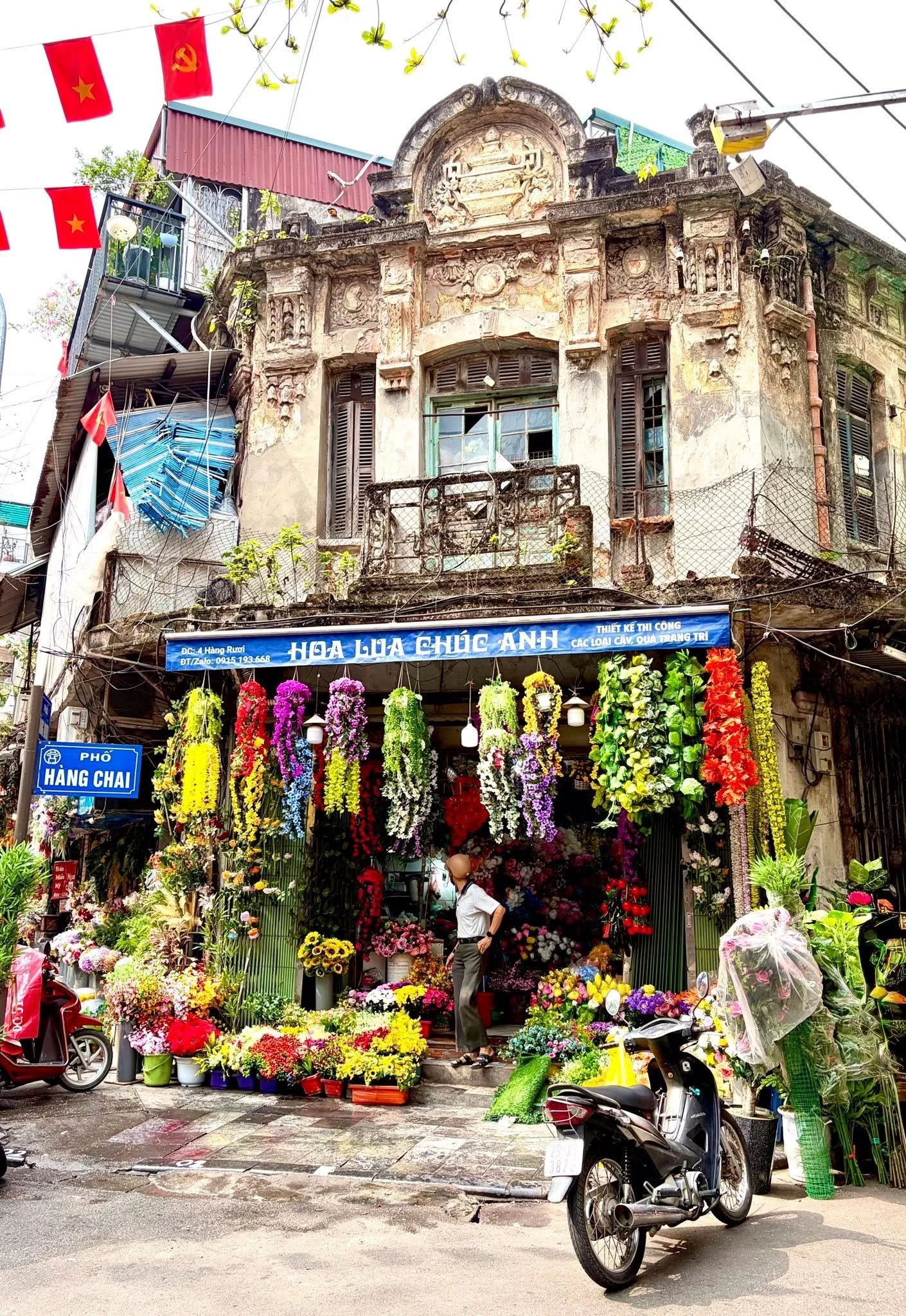
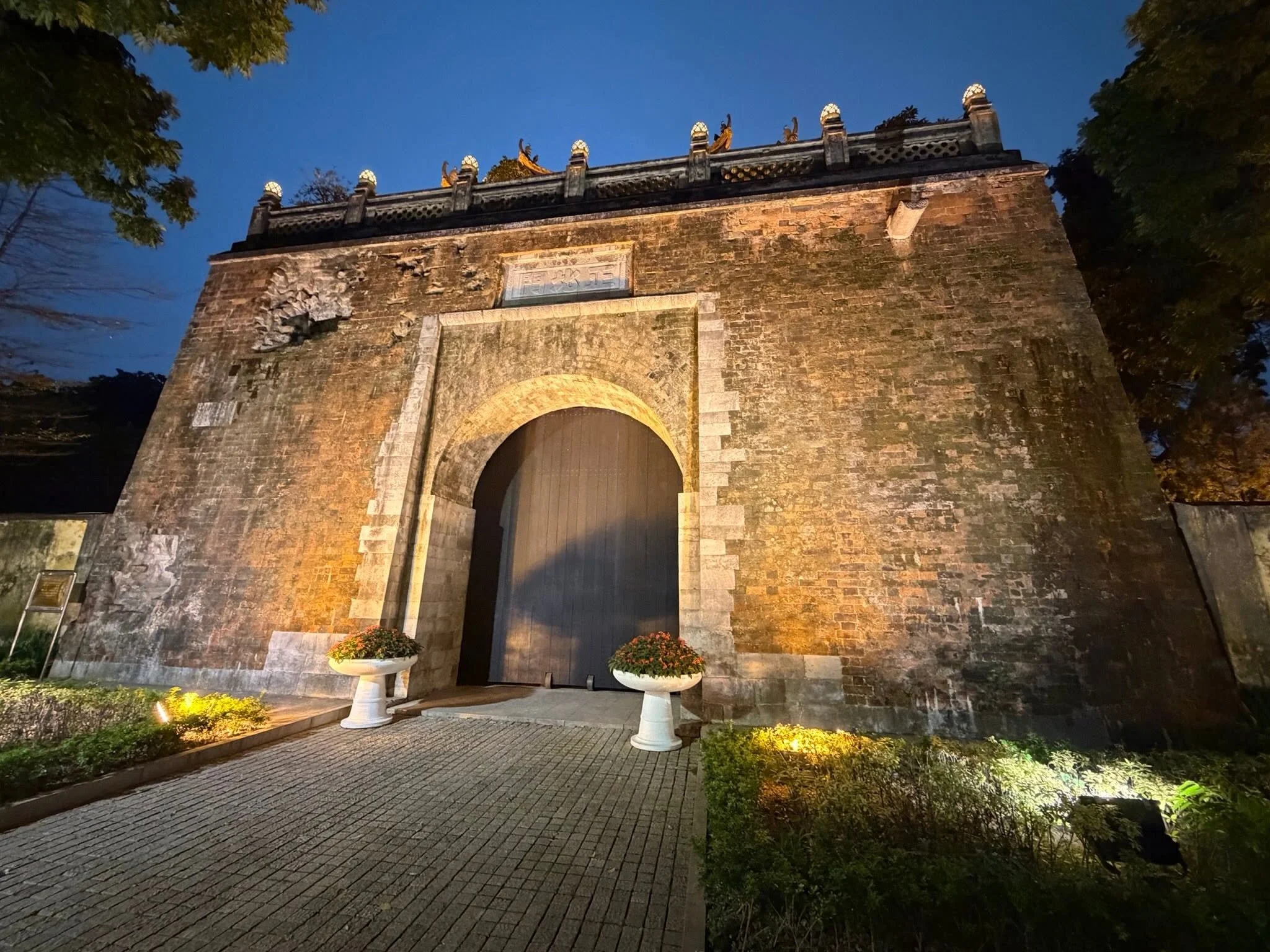
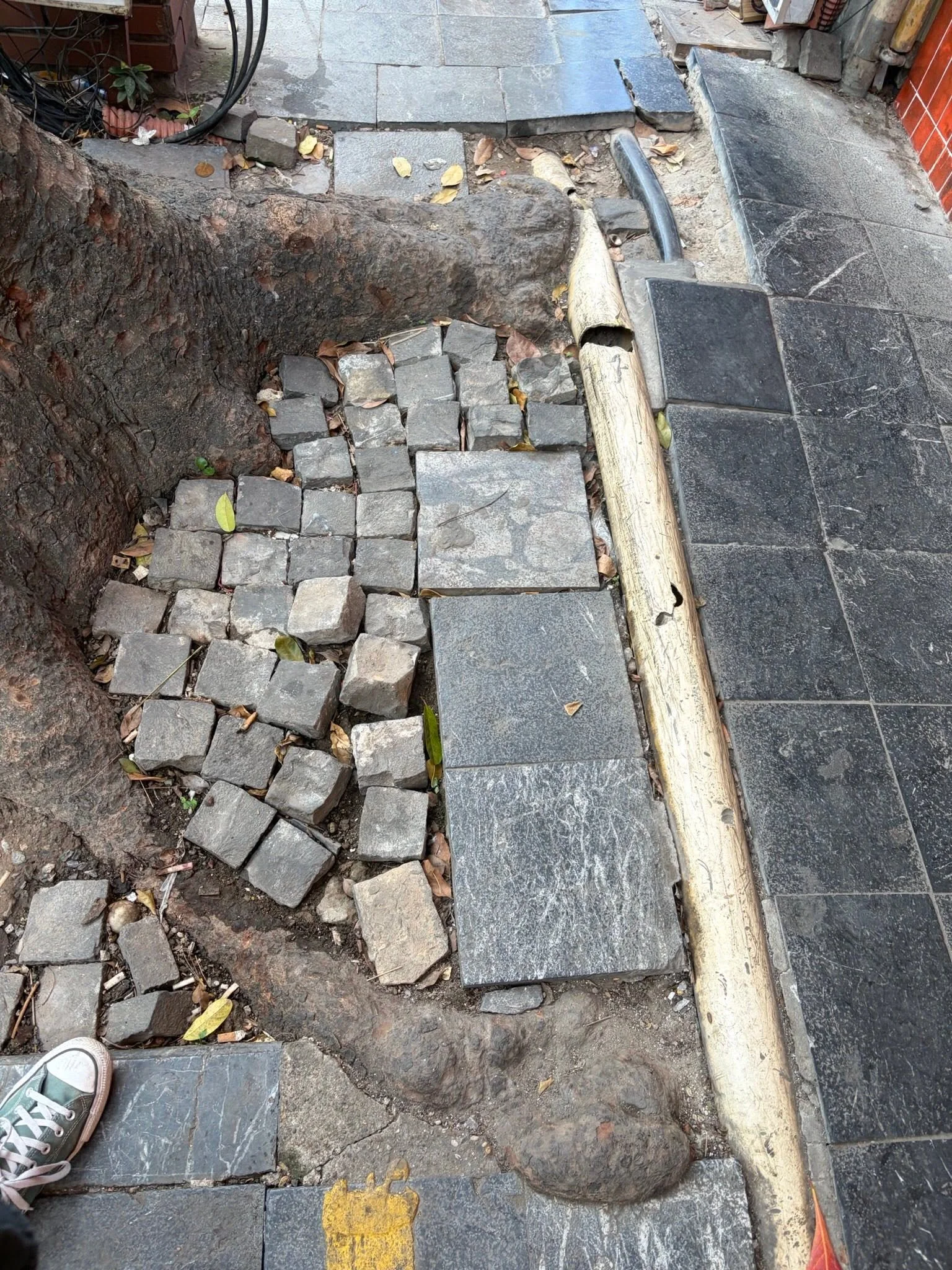
We arrived on the very comfortable 12-passenger limousine van from Ninh Binh, reasonably rested and ready to fight. From our first moments on the crooked pavers, it was evident that the Old Quarter of Hanoi was a special place with lots of secrets and that we would become good friends. With its narrow streets lined with decaying French buildings seemingly holding each other up, it reminded me immediately of San Francisco’s Chinatown except it was flat and there were no Chinese characters on the signs. Oh, there were characters alright—just not on the signs. The smell of fresh fish hung in the air, and lanterns swung gently in the afternoon breeze. Wicker bins of herbs, fruits and trinkets spilled out of storefronts on both sides of the street as tourists and residents alike squeezed by, narrowly avoiding being struck by the motorbikes speeding up and down, honking
Patti and I would both be clipped by vehicles in Hanoi, actually. She by a motorbike; me by a car. No injuries of course, and neither driver even glanced let alone stopped. But it’s still unsettling to be brushed by a moving motor vehicle. I’m surprised it doesn’t happen much more, honestly—the way the traffic works. The scooters go as fast as the congestion will allow. And although that it isn’t usually very fast, they are constantly zigging for an advantage, even when that’s zagging on a sidewalk—pedestrians be damned. In reality, neither pedestrians nor scooters can use the sidewalks much, as they’re too stacked with postcard racks, Banh Mi carts, spa sandwich boards, tiny stools with low stainless steel tables and hundreds of parked motorbikes for anyone to really use them for passage. Mostly all traffic is forced to share the narrow street, which makes for some very artful dodging.
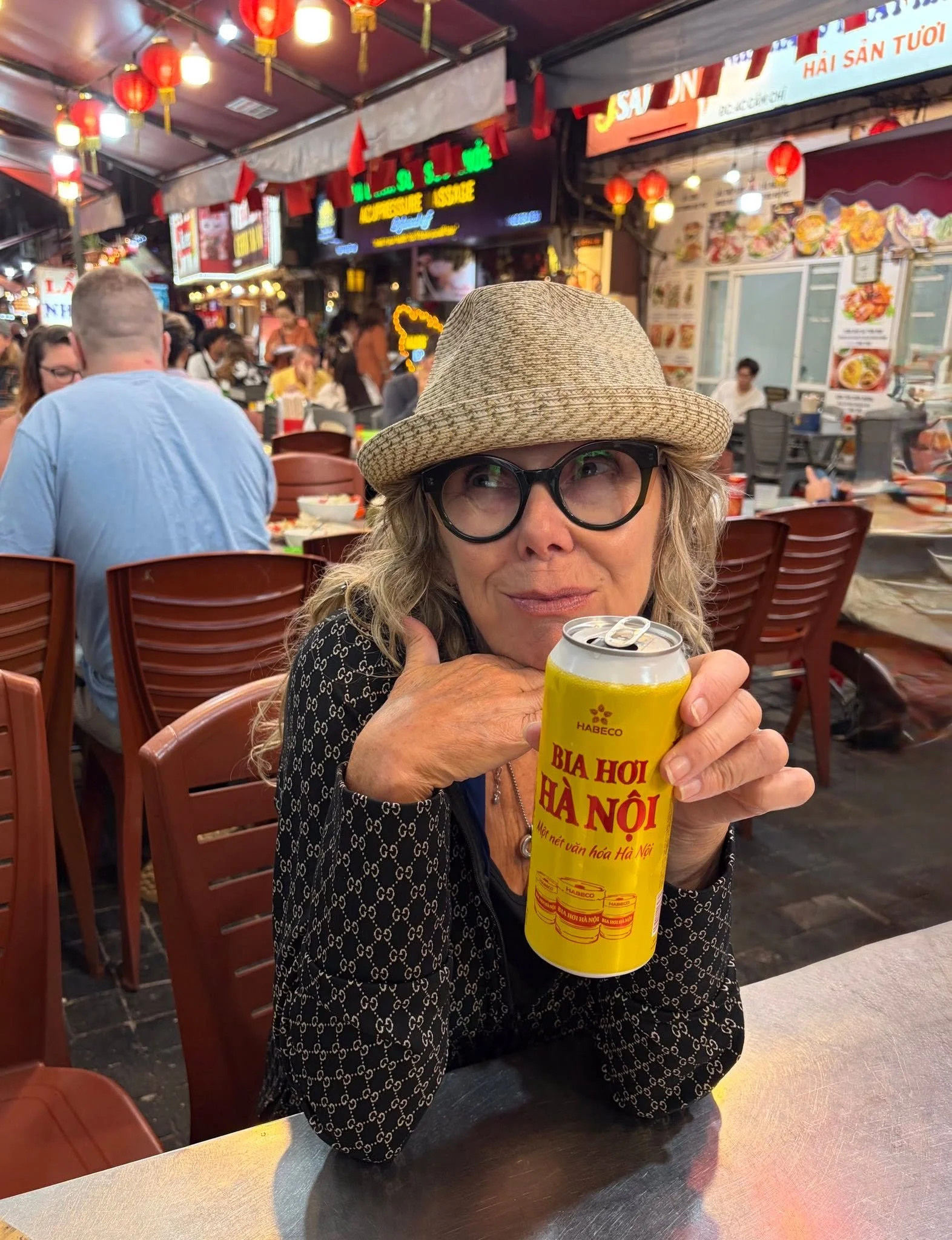
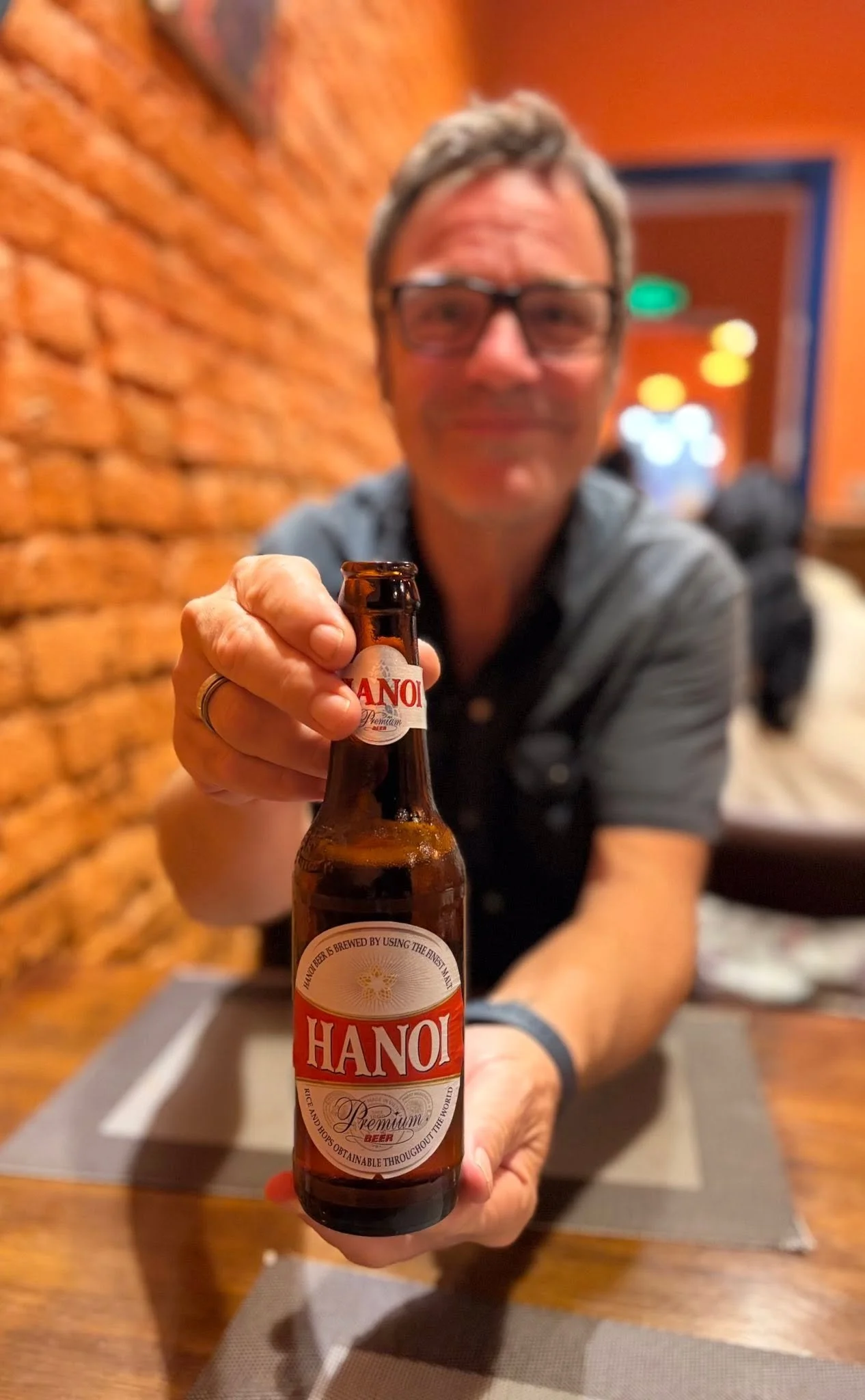
I don’t know how she did it, but Patti discovered Bia Hoi that first evening. We’d been walking around holding hands in the dying light, browsing the Sunday market and a few shops— really excited to be in a new venue. We were thinking about chasing some dinner, but figured on a beer first. I was watching for something that looked like a bar, but Patti spotted this elevated platform on the corner with a few blue resin tables inside and some Vietdudes drinking beer from plastic pint glasses. It might have been this novelty that caught her eye initially. We hadn’t been served a beer not in a bottle or can in six weeks, but these guys were drinking draft beer. It didn’t look like a bar. There was no counter or cooler, no kitchen or cash register. It was just a tiled rostrum, open to the street on two sides—more like a drinking platform.
“Let’s go in here,” Patti said without looking at me.
We stepped up into the space and approached the only empty table. Looking around we saw a girl with a tray of pints and we pointed at the table, raising an eyebrow and two fingers in the universal sign of ‘this table for two’? She shook her head no, and after setting the glasses down on one of the tables, motioned for us to follow her across the street to a smaller storefront with some chairs out on the sidewalk. She pointed to two empty ones and we sat down. There was an older man sitting on a stool pouring beers out of plastic spigot like the ones you see on Garden Street. He looked at us and I said ‘hai bia.’ He poured them and the girl brought them over.
We noticed that the 3rd corner of the 4-way intersection was also being served by this same keg. The girl and a young man were running beers in both directions, dodging motorbike traffic with trays of pints. Purely bananas. But our corner was headquarters— the source and the soul. It was an older crowd (all male, of course) and we felt honored to have been seated there. We didn’t understand why and never did learn. We visited this particular Bia Hoi (which translates to ‘fresh beer’ literally brewed that morning) two more times and were seated in one of the other two spaces by the same kids both times. The last time there, she seated us at the table we’d asked about originally, even though this time we pointed to our first seats on the hot corner. Just another of the great mysteries of Vietnam.
******************************************************************
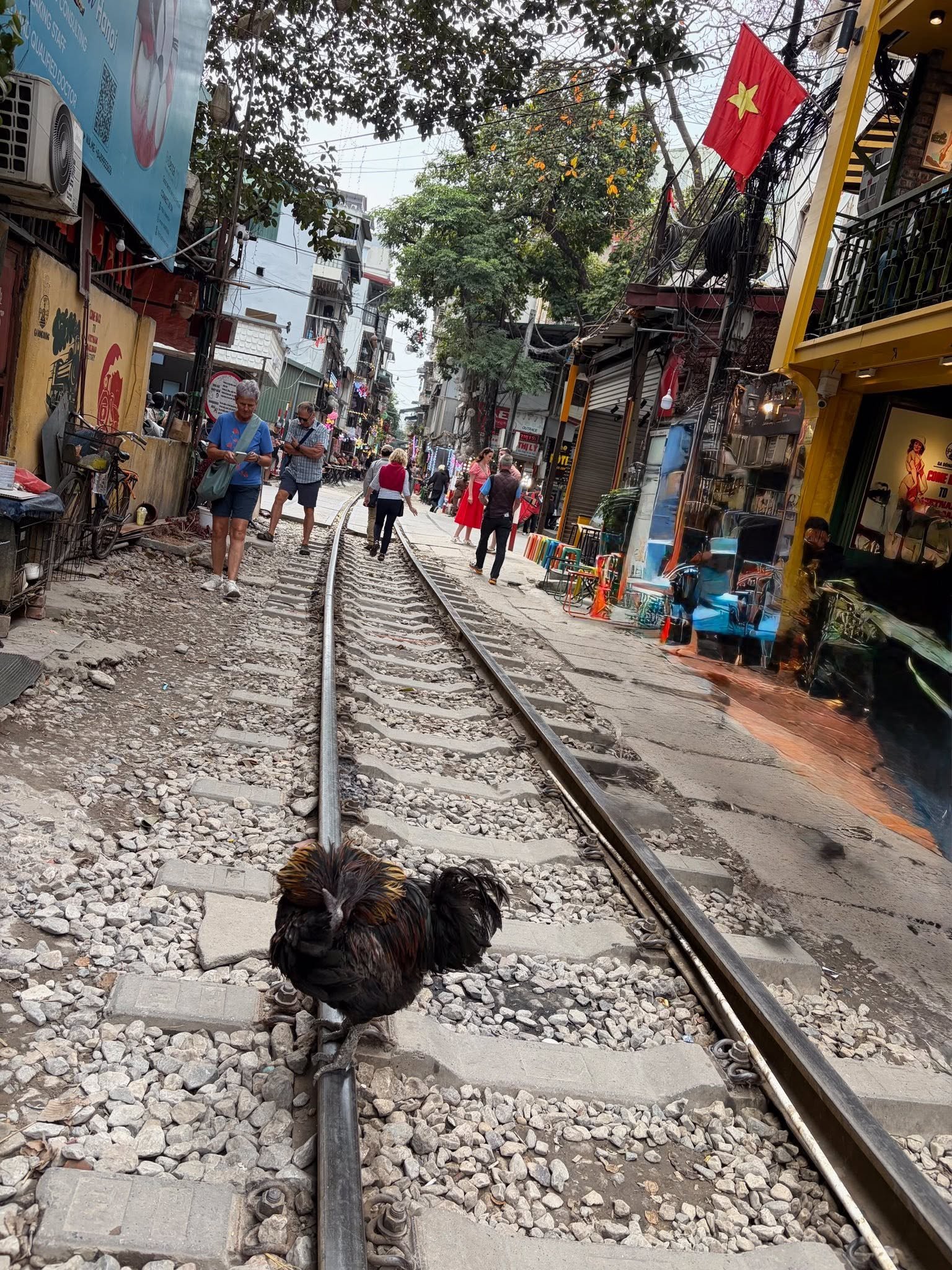
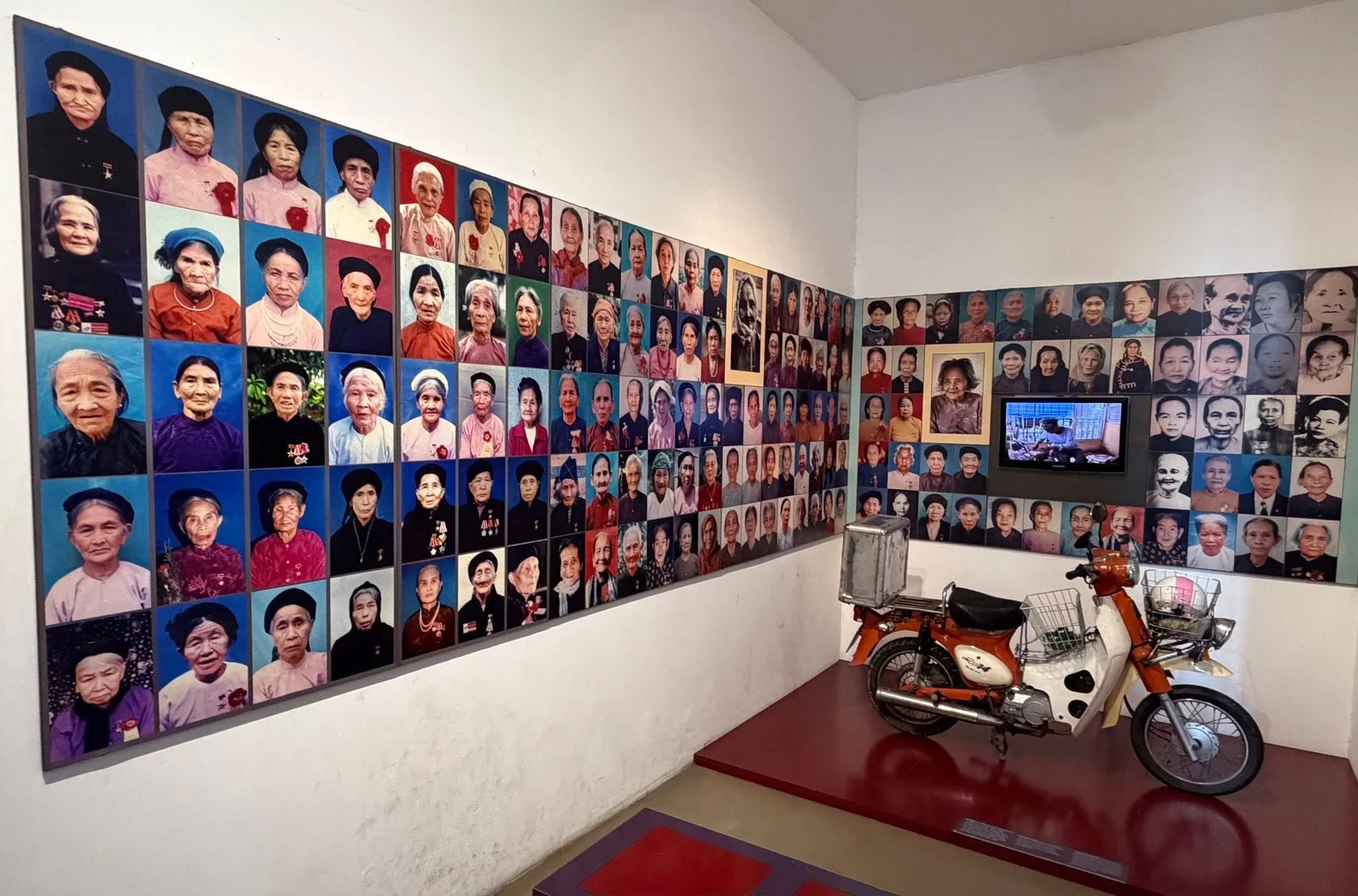
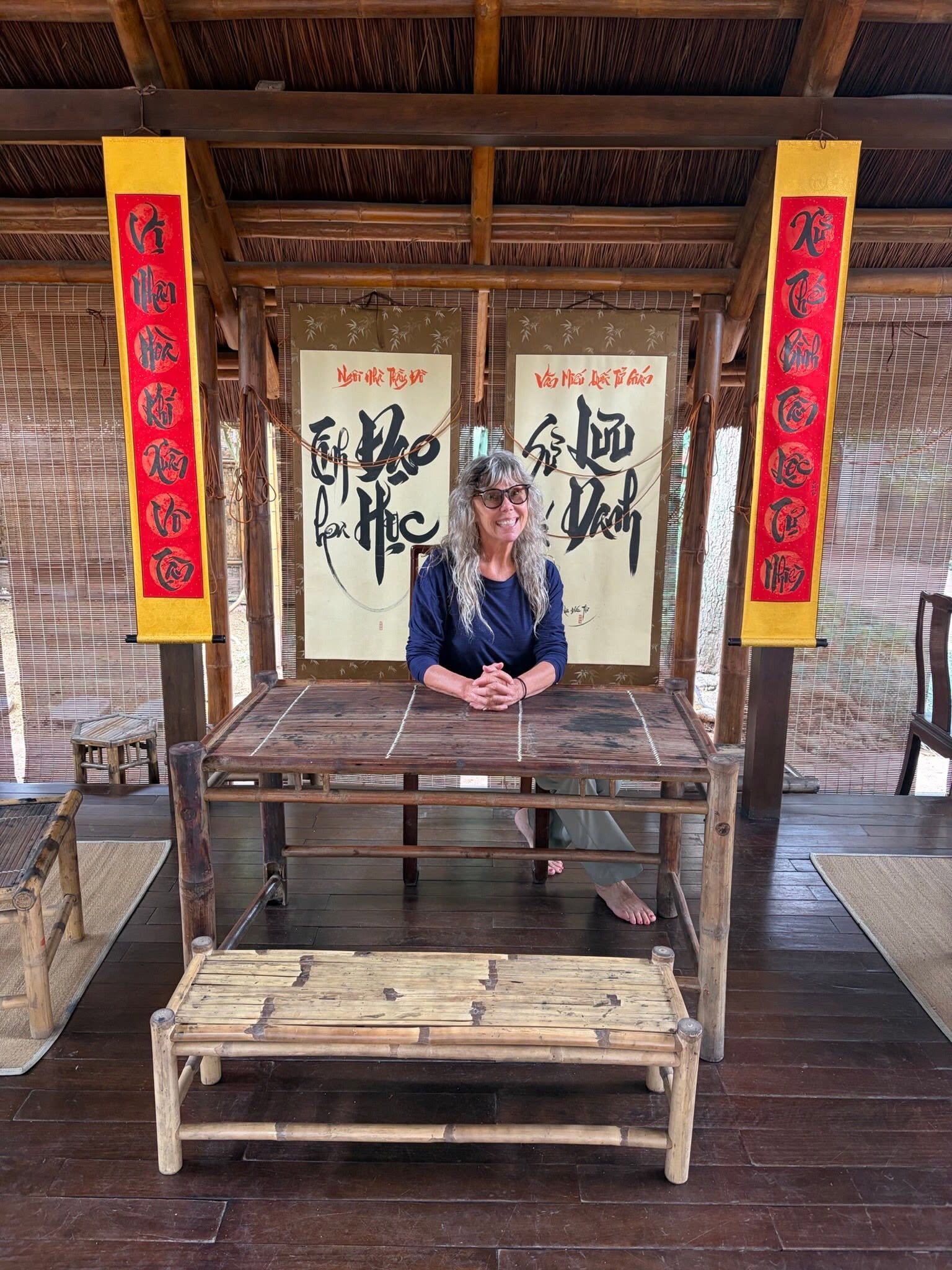
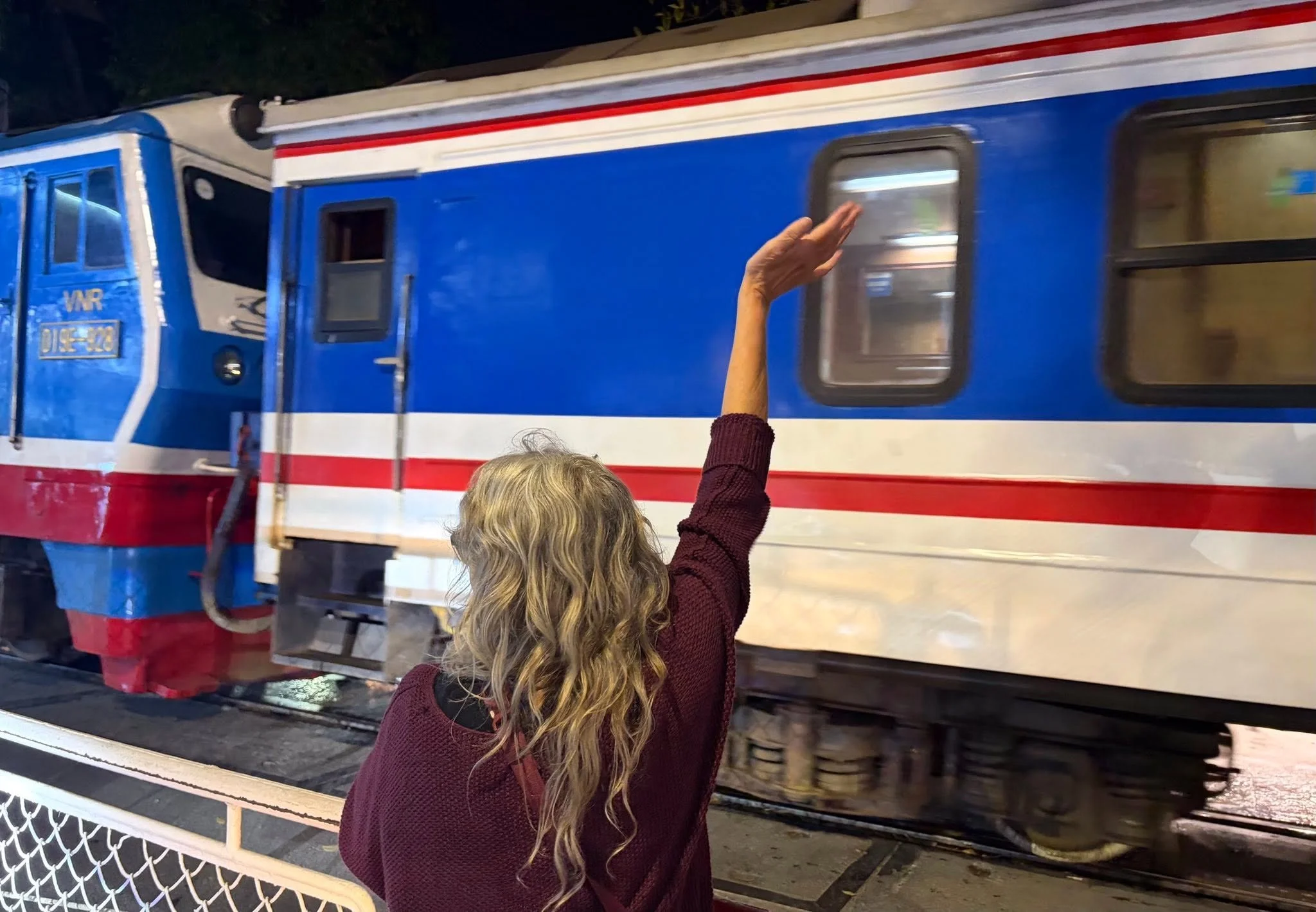
There’s plenty to do in Hanoi. We went to the Temple of Literature. We spent an afternoon at the Hanoi Fine Arts Museum. We took a coffee-making workshop. We went to the Women’s Museum. We went to Train Street and Beer Street both.
But in between cultural attractions, Hanoi was a lot of eating, drinking and shopping.
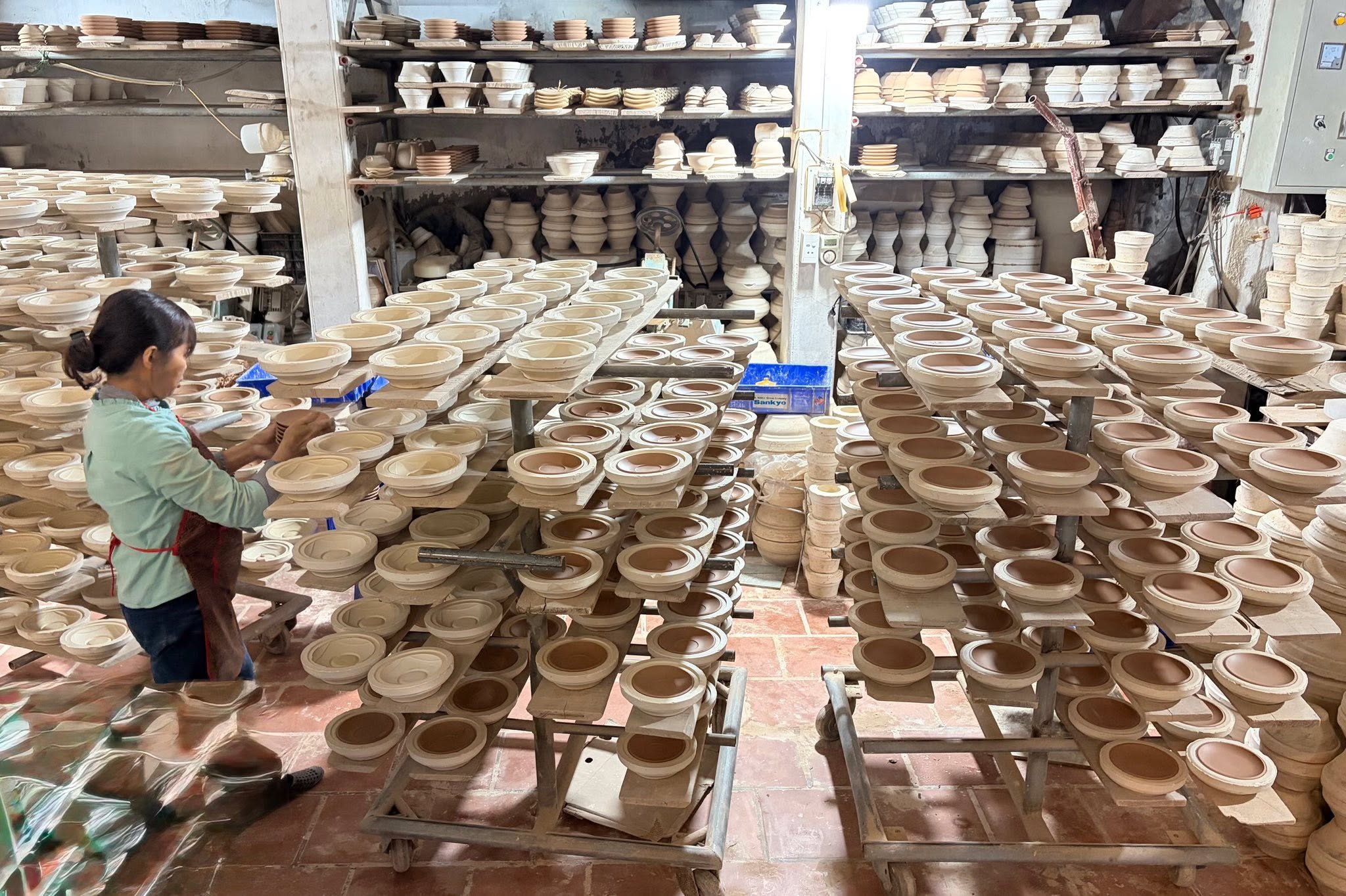
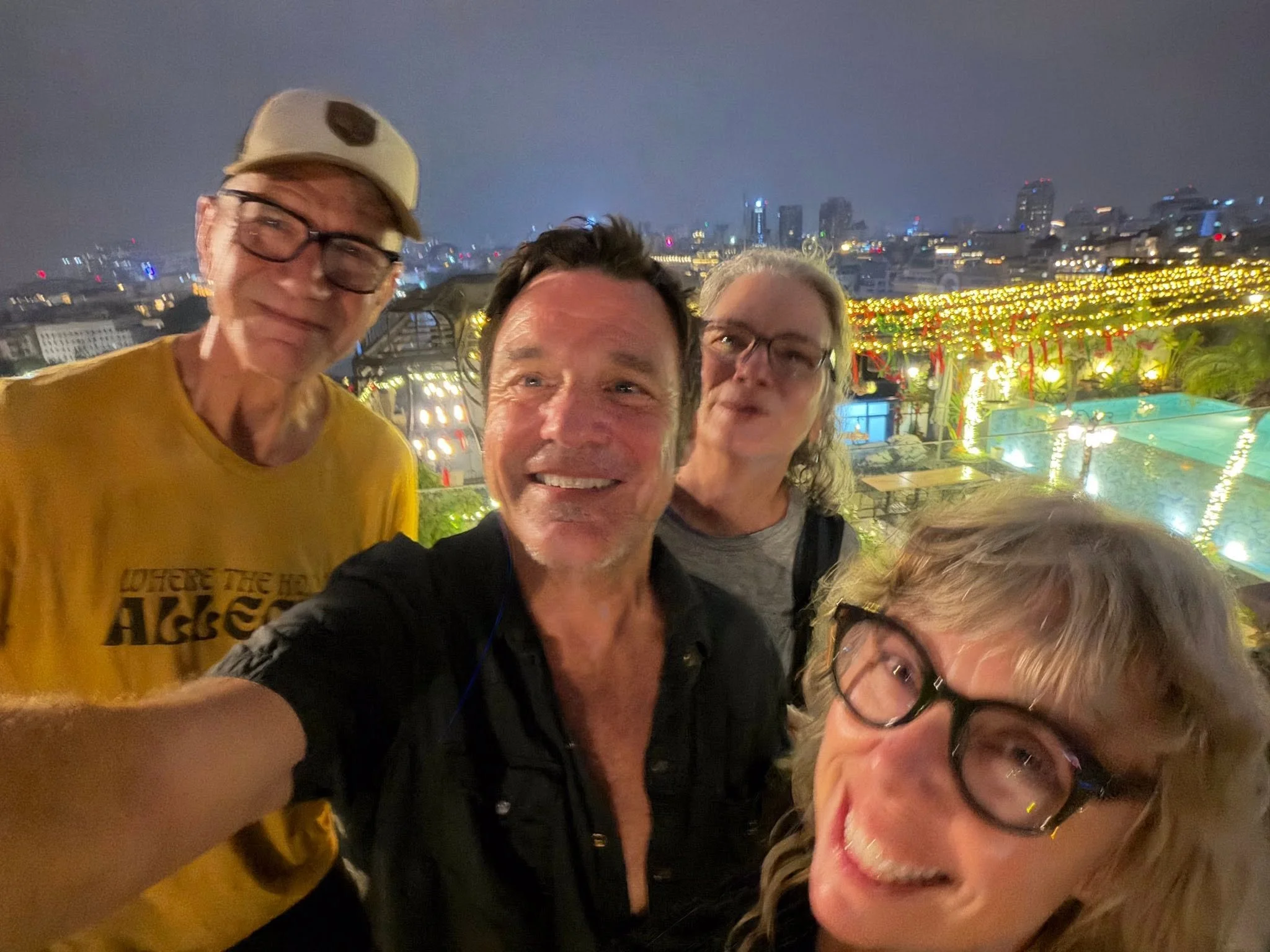
Not that it was all pho and bia hoi. You can’t have Vietnamese food every night, and we did have some very good Indian (twice), sushi, and a pretty serviceable pizza in Hanoi. We enjoyed a cocktail at the historic Metropol Hotel and frequented more than one sky bar—the first of which also featured Alice & Edlin! We shopped for pottery at the remote village of Bat Trang where you can watch the artisans throwing in large and small studios alike.
But yes— there were a few Banh Mi’s and quite a few bia hois.
Also a lot of walking. All three of our hotels were in the Old Quarter, so there were very few cars taken. Most everything we did was on-foot. One of the few things that remained un-crossed off on our list of things to do in Vietnam was to take a pedi-cab. And it’s ironic that we did not take one in Hanoi since we did walk so much and since the drivers there are so persistent. Patti thinks they targeted us because we look old, but I think it was because we looked light. Those guys are super fun and we made a game out of flashing them the international sign of ‘we’re going to walk it’ which is the first two fingers of the right hand facing down and wagging in a walking motion.
And sure: the shopping. Good Hell, the shopping. The Quarter is built on shopping, offering everything from revolting plastic souvenirs (presumably made in China) to regionally-produced incense, coffee, pottery, silk, silver, communist propaganda and bamboo bongs. It’s set up like in Latin America where all the like vendors are clustered together. So not only is there a silk street and a silver street, but also a paper street, a porcelain street, a Tet decoration street, a hat street, a scissors & knives street and a brass figurine street. Plus much more. It’s wild.
Very little of the merchandise is priced. You’re forced to ask ‘bao nhieu’ (how much?) and the shopkeep looks you over, deciding where you’re from and gives you the price for your country of origin—usually more than twice what she’ll actually accept. And then I usually say a price that’s two-thirds of what she said initially and then of course we split it again. Sometimes I just gave her the first money—and this was a genuine surprise on more than one occasion. Negotiating is kind of fun with the right vendor and I think the locals do genuinely enjoy the game. And I wouldn’t want to deprive them of that, nor did I want them to disrespect me for over-paying like a chump. But it’s also exhausting, and sometimes it felt lame trying to get something for $1.45 instead of $2.10 when I would buy it at Penny Lane for $18 at Christmas without a second thought—certainly without haggling. I don’t even know how someone can manufacture, transport and retail this thing for $2. And I’m going to walk out of the shop over sixty-five cents when she knows I pay $9 for a bagel at home and then tip two bucks on top? She has the internet, she knows how fucking rich I am.
It’s part of the whole thing, and I don’t think we ever shook the invader traveler complex entirely. Especially in a place like Vietnam that has such a regrettable history with the US. The people are very warm and it does seem like they are glad to see well-behaved American tourists because we have money. But it still feels exploitive because everything is so cheap to begin with. A beer is 90 cents. The best coffees I’ve ever had are a dollar. The banh mi is $3. Nice hotel rooms are $55 (though you can get a crummy one for $15) and a ride across town in hideous traffic is $2.75. THEN tipping is discouraged. And I’m supposed to offer them half of what they tell me the already low price is? Gross!
One thing I do love about the economics of Vietnam is that it is a cash culture. I don’t think we charged 5 transactions in 6 weeks. Even some of the hotels required cash payment. It took a while to figure the money out since there are so many zeros in the equation. Like a USD is equal to 25,000 Vietnamese dong. And there are no coins of any demonination. Just paper. The thousand dong note is four cents.
****************************************************************
You can meet some people in nine days. Our instructor Alex from the coffee class was funny. Lan let us pet her cat. We did give some money to the old man on the corner whose panhandle tag was simply ‘money.’ (The only real asking we encountered the whole time we were in the country). But by far the best friends we made in Hanoi were at the Saturday night karaoke party. Duh.
We were strolling around the Quarter trying to decide between a nightcap and an early turn in. It might have been 10pm. We walked by a shop that had music coming from inside, and we peered in the plate glass window. There were maybe a dozen people inside— one older gent standing on a small stage with a mic in his hand a few others dancing. I thought it was a club at first and opened the door a crack. The singer smiled and motioned us in.
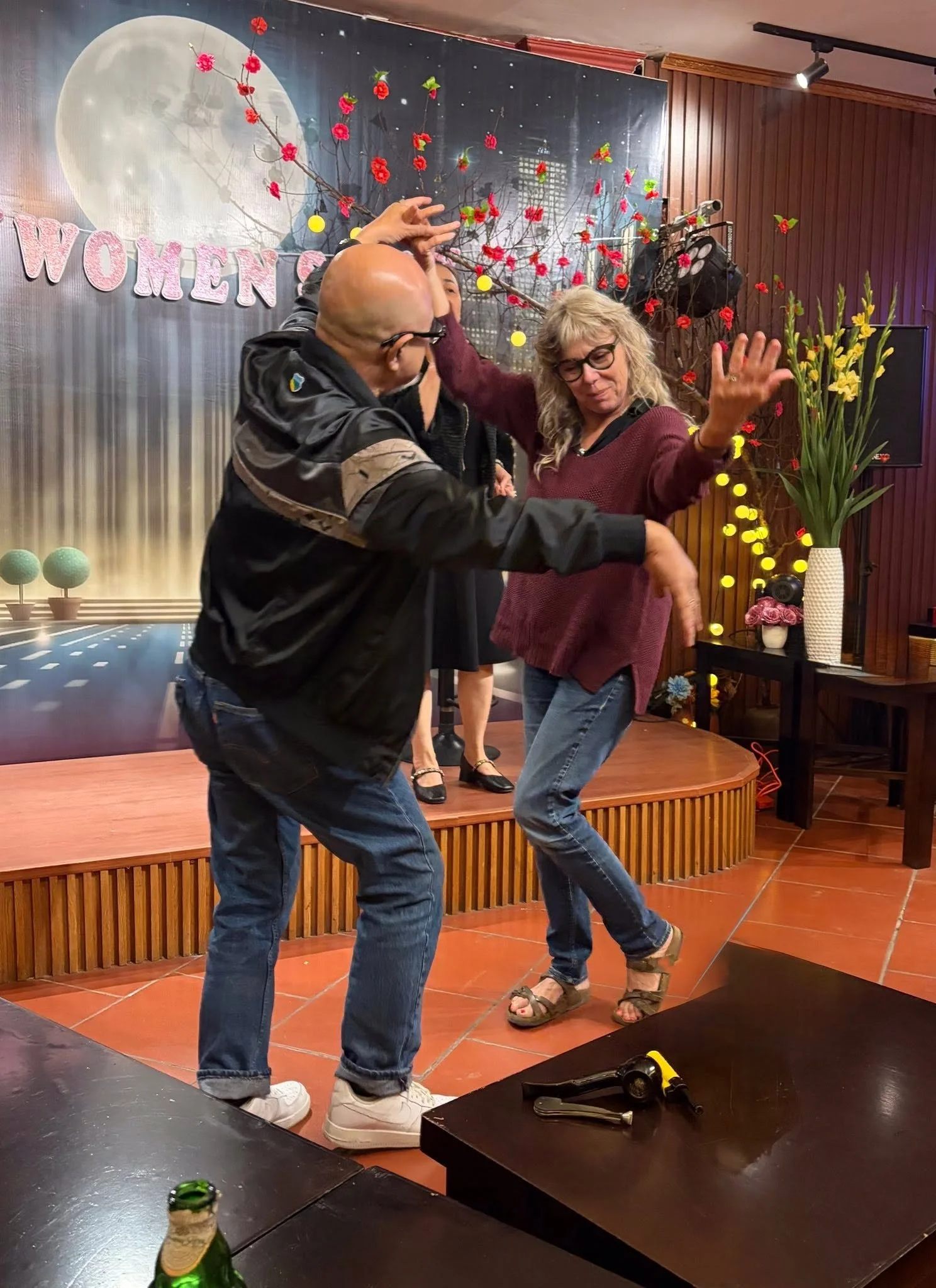
It was a private party of some sort in a space that may have been like a dance studio. There was no bar but there was plenty of bia and our sponsor brought three over immediately and showed us to a table. His name was Ha which means river in Vietnamese. He (Ha) was very happy we had joined the party and told us so repeatedly, almost constantly. He was definitely the karaoke host, and performed frequently including backing me up on a shredding version of Hotel California (of course) which ended in a pretty respectable air guitar jam with me in the middle flanked by River and Minh, age 73. Unlike the dapper Philip Seymour Hoffman lady’s man who danced with all the gals, Minh was more of a free-style soloist and could not be undersold when he felt like cutting. He did take time out from his interpretive jazz movement odyssey to spin Patti for a couple of numbers, however. There was also the lady in black who was a bit more serious about her karaoke than the fellas, who seemed like they were there mostly to drink and dance. She looked like maybe she was hoping to get discovered. And she did have a lovely voice…
We drank and sang and danced and laughed with these kooks for an hour, not really exchanging many details other than our names. But we just laughed and laughed. Riv told us how happy he was and Minh reminded us he was 73. It was a wonderful way to top off a Saturday night and we wouldn’t make such good friends again until we got to Tokyo a week later.